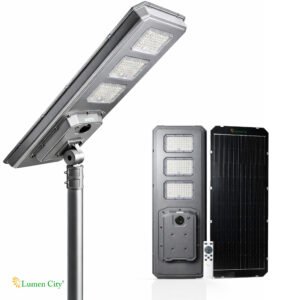
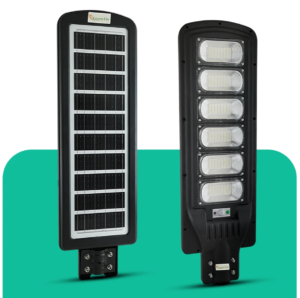
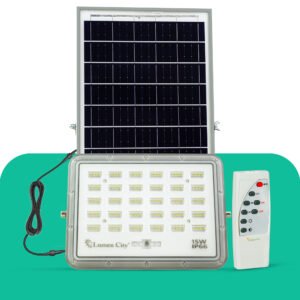
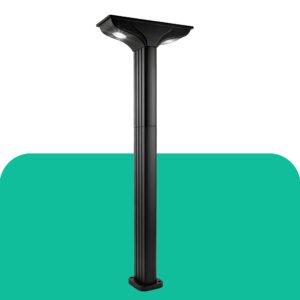
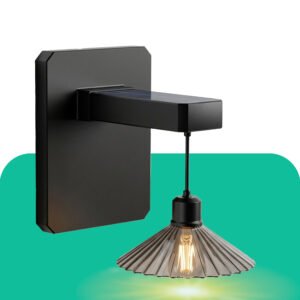

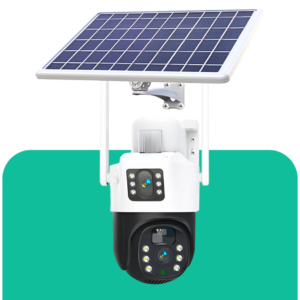
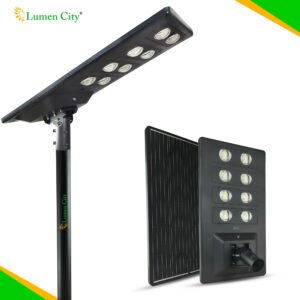
Solar Street Lights for Homes, Streets & Farms Lumencity solar street lights run on 100% solar power, eliminating electricity bills and complex wiring. Designed for Indian weather, these lights provide reliable dusk-to-dawn lighting with high-efficiency solar panels and long-life batteries.
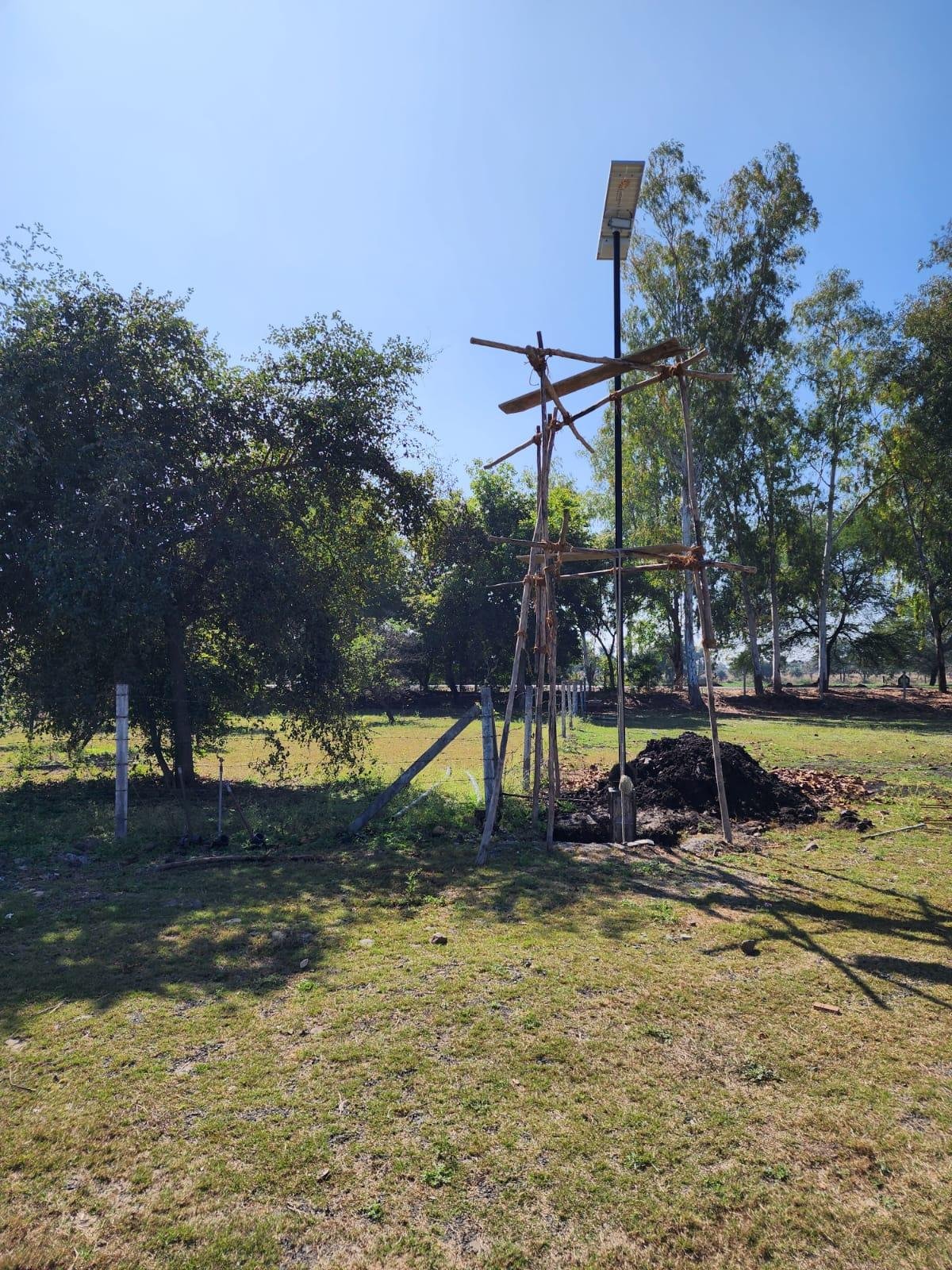
Installed on a 10 ft pole in our farmhouse.
Works perfectly even in winter.
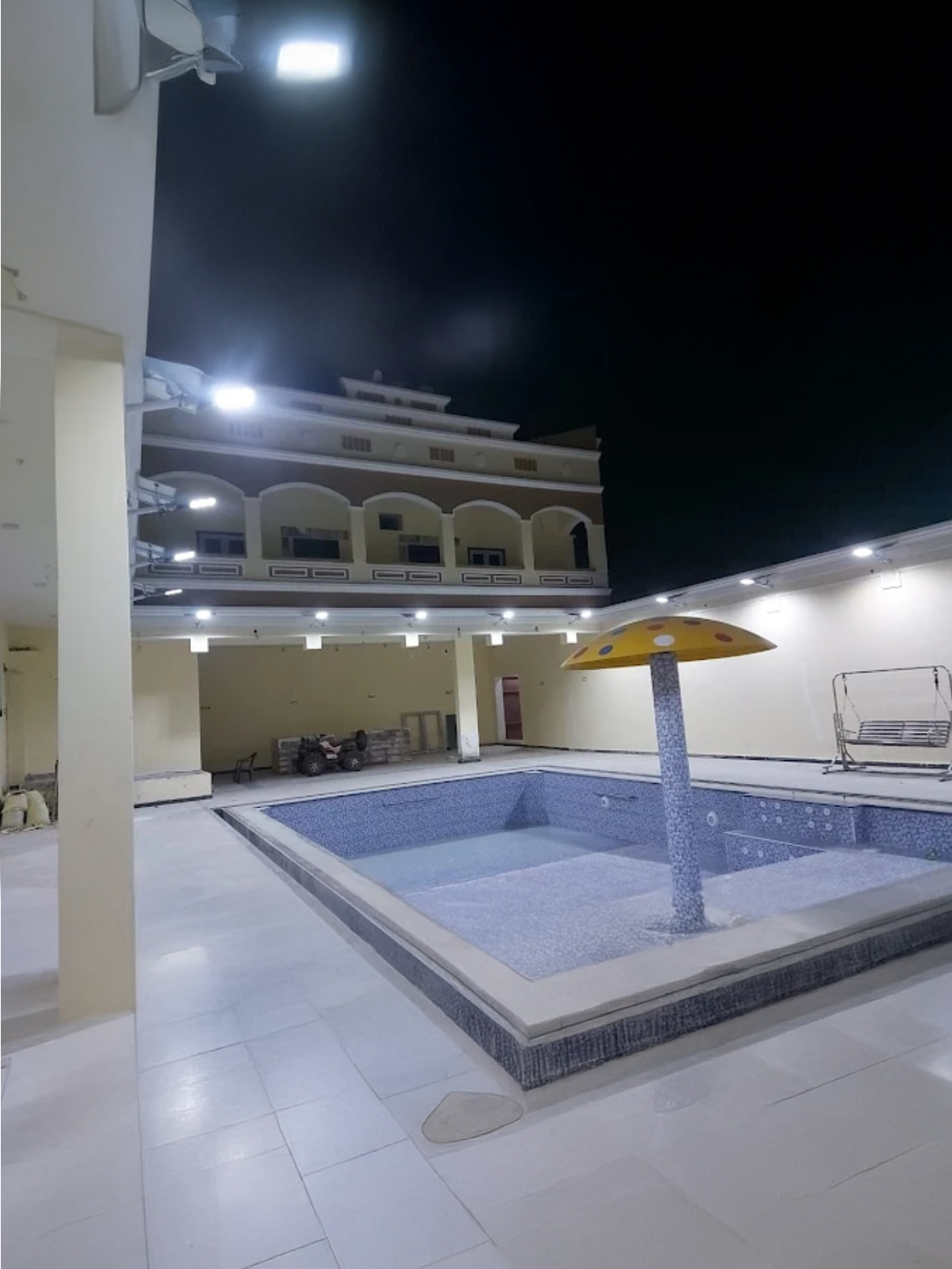
K. Shankar Erode, Tamil Nadu
We installed this solar street light in our Pool area and it lights up the entire space
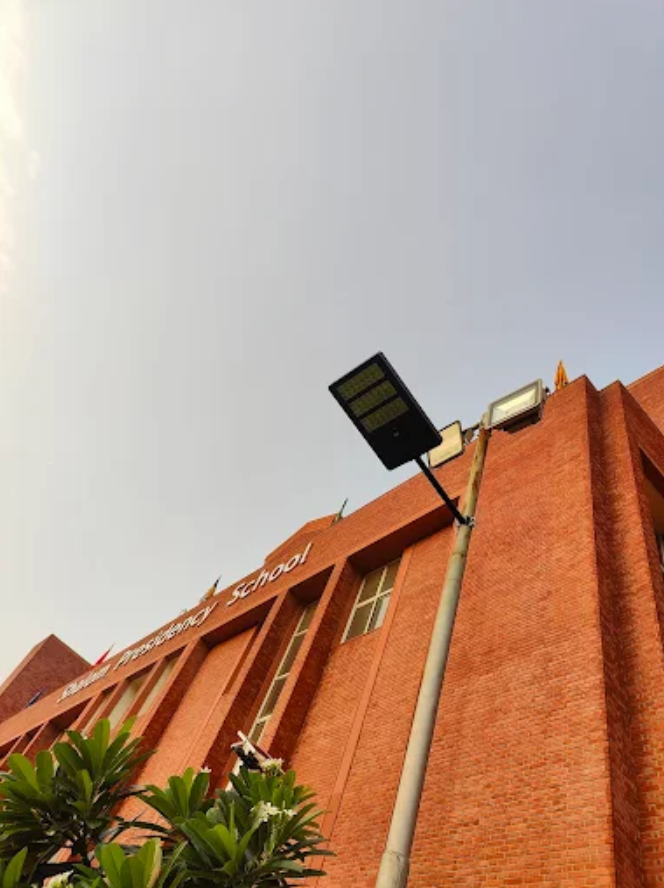
Shallom Hills SchoolGurugram
Great Backup, Great Illumination but heavy in weight need 2 people to fix it
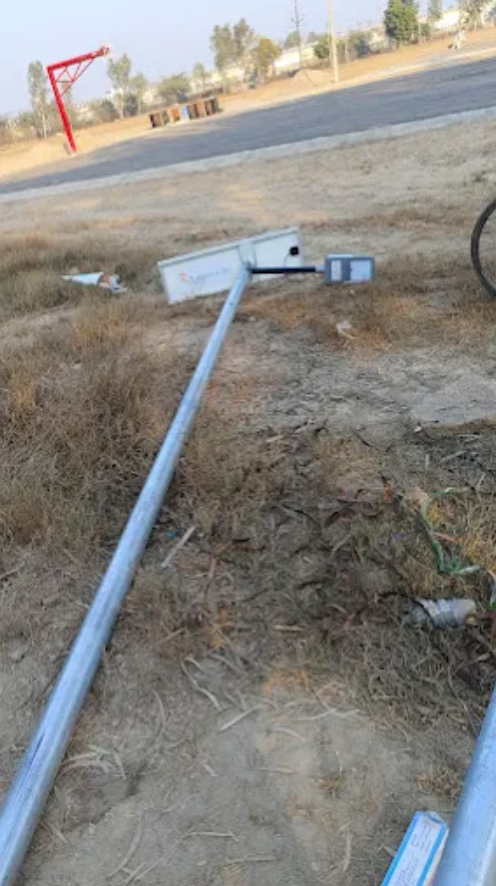
Commercial and Road Installations
Transport NagarAligadh, UP
250+ Commercial Lights Installed as Per MNRE Guidelines
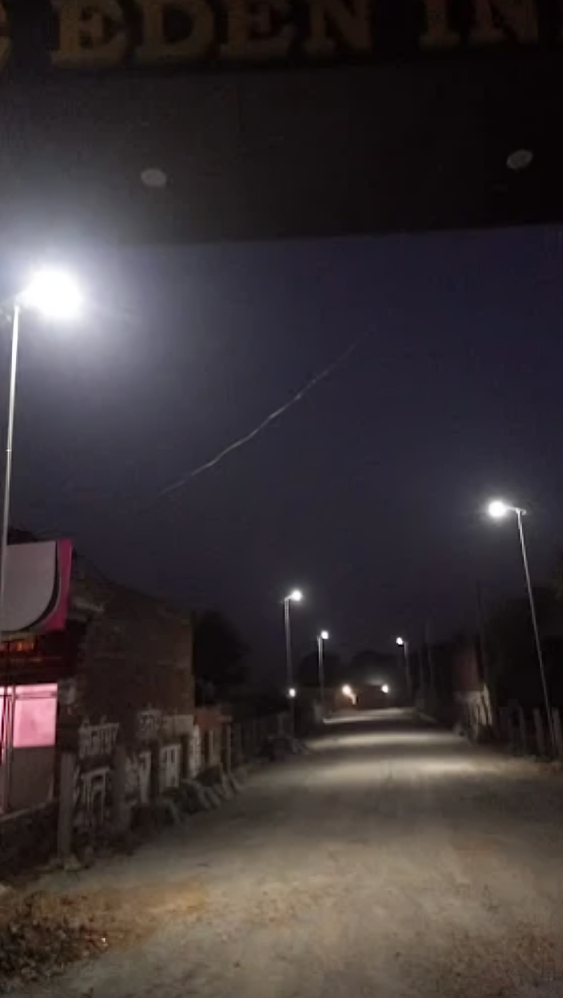
Eden ProjectsKapsaur, Mirzapur, UP
450+ Street Lights Installed to Illuminate Mirzapur Roads
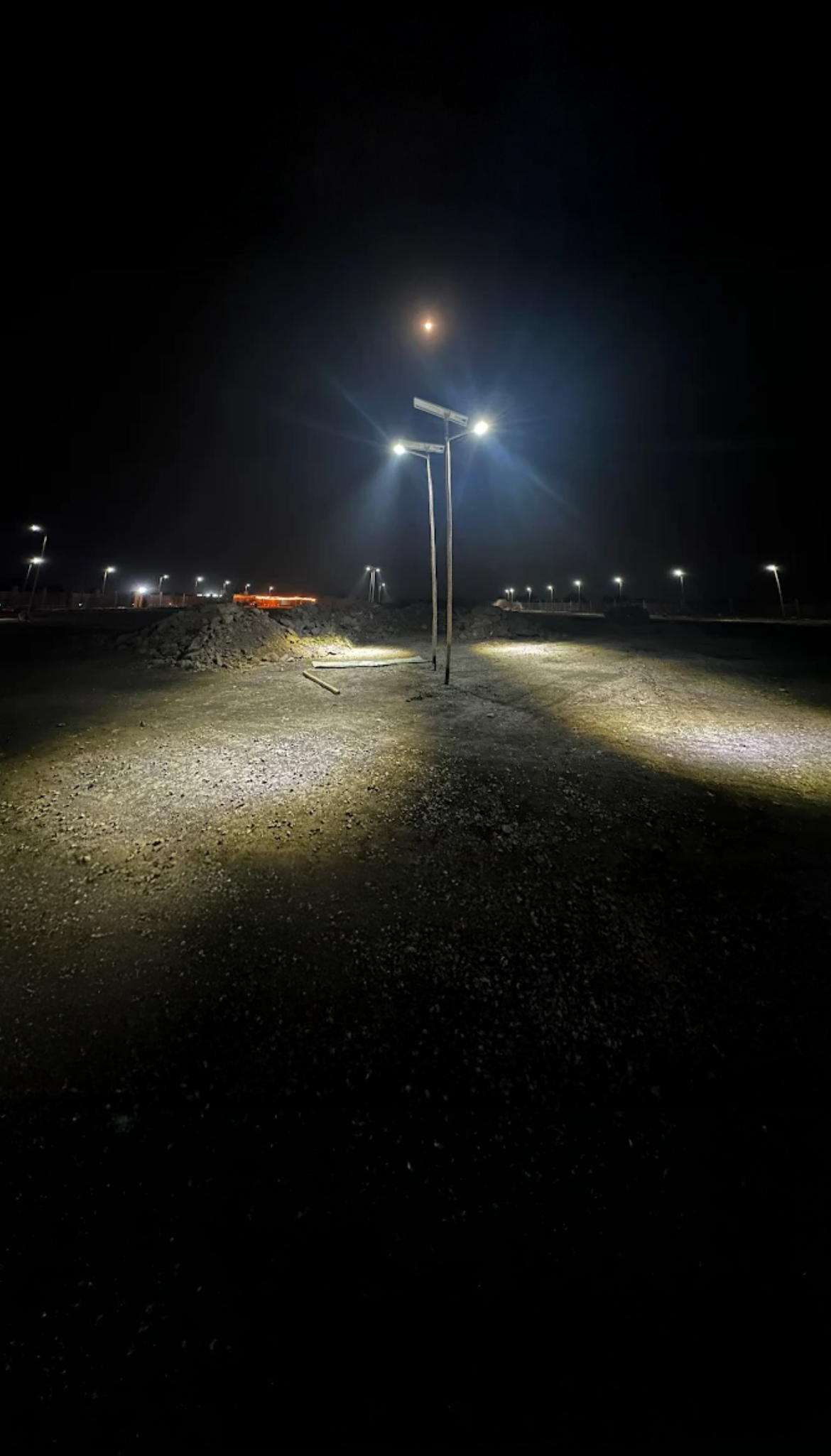
Lodha DeveloperNashik, Maharashtra
2000+ Lights Supplied to Developing Underconstruction estate
Solar Street Light Buying Guide
(Complete Guide to Choosing the Right Solar Street Light)
Introduction
Solar street lights are becoming one of the most popular outdoor lighting solutions for homes, streets, parking areas, and infrastructure projects. Unlike traditional street lights, solar street lights operate using energy from the sun, eliminating electricity costs and complex wiring.
Modern solar street lights combine high-efficiency solar panels, long-life batteries, and LED technology to provide reliable lighting throughout the night. These systems store solar energy during the day and automatically power the lights after sunset.
If you are planning to install a solar street light for your home, farmhouse, society road, or commercial project, understanding a few key factors will help you choose the right system.
How Solar Street Lights Work?
A solar street light system consists of four main components:
Solar Panel
The solar panel captures sunlight during the day and converts it into electricity.
Battery
The generated electricity is stored in a rechargeable battery so the light can operate at night.
LED Light
LED lamps provide bright illumination while consuming very little energy.
Controller
The controller manages charging and automatically turns the light on at dusk and off at sunrise.
This combination allows solar street lights to operate independently without grid electricity.
How to Choose the Right Solar Street Light?
1. Select the Correct Wattage
Wattage determines how bright the light will be and how large an area it can illuminate.
Typical wattage recommendations:
Installation Height
Recommended Wattage
3–5 meters
6W – 12W
5–8 meters
12W – 40W
8–12 meters
40W – 120W
The right wattage depends on the lighting area, pole height, and desired brightness level.
Lower wattage lights are suitable for residential gates and gardens, while higher wattage lights are ideal for roads, parking lots, and commercial areas.
Installation Height Guide
Installation height plays a major role in lighting coverage.
General recommendations:
3–4 meters Residential houses, pathways, gardens
5–8 meters Society roads, village streets
10–12 meters Highways, commercial roads, large parking areas
Installing the light at the correct height ensures even illumination and improves safety.
Battery Type – The Most Important Factor
The battery is the heart of a solar street light system.
Most high-quality solar lights use LiFePO4 (Lithium Iron Phosphate) batteries, which offer several advantages:
Longer lifespan Higher safety Better heat tolerance More charge cycles
LiFePO4 batteries can last 5–10 years, whereas cheaper lithium batteries may last only a few years.
Backup Time and Autonomy
Backup time refers to how long the solar light can operate at night.
Typical ranges:
Standard lights → 10–12 hours High-capacity lights → 18–24 hours
High-quality systems are designed with autonomy, meaning they can continue working for several days even during cloudy weather.
Waterproof Rating and Durability
Solar street lights are installed outdoors, so they must withstand rain, dust, and heat.
Always look for:
IP65 or higher waterproof rating
This ensures the light remains protected from dust and water exposure.
All-in-One vs Split Solar Street Lights
All-in-One Solar Street Lights
These lights combine the panel, battery, and LED in a single compact unit.
Advantages:
Easy installation Minimal wiring Low maintenance
Best for homes, farmhouses, and small streets.
Split Solar Street Lights
These systems have separate solar panels and lighting fixtures.
Advantages:
Higher power capacity Flexible panel placement Better for large projects
They are typically used in highways, parking areas, and commercial projects.
Benefits of Solar Street Lights
Solar street lights offer several advantages compared to traditional lighting.
Zero Electricity Cost
They operate entirely on solar energy.
Environmentally Friendly
Solar lighting reduces carbon emissions and reliance on fossil fuels.
Low Maintenance
LED lights and solar panels have long lifespans.
Easy Installation
No underground wiring or electrical infrastructure is required.
Reliable During Power Cuts
Since they operate independently from the grid, solar lights continue working even during power outages.
Common Applications of Solar Street Lights
Solar street lights are widely used in:
Residential homes Farmhouses and villas Village roads Housing societies Parking areas Industrial premises Government infrastructure projects
Their flexibility allows them to be installed almost anywhere with sufficient sunlight.
Solar Street Light Unboxing Videos
(FAQ) About Solar Street Light
Q. How long does a solar street light last ?
A good quality solar street light can last between 10 and 20 years, depending on the components used. Solar panels typically last over 20 years, while batteries may need replacement after several years.
Q. Do solar street lights work in cloudy weather?
Yes. Solar panels still generate electricity during cloudy weather, and the battery stores enough energy to power the light for several nights.
Q. How many hours does a solar street light run?
Most solar street lights operate 10–12 hours per night, while high-capacity models can provide up to 24 hours of lighting depending on battery size.
Q: What is the best battery for solar street lights?
LiFePO4 batteries are considered the best option because they offer longer lifespan, better safety, and higher cycle life compared to standard lithium batteries.
Q: Do solar street lights require wiring?
No. Solar street lights are completely independent systems and do not require underground wiring or electricity connections.
Q: Where can solar street lights be installed?
They can be installed in residential areas, farms, societies, parking lots, parks, highways, and commercial spaces.
Q: Are solar street lights worth the investment?
Yes. Although the initial cost may be higher than traditional lighting, solar lights eliminate electricity bills and have lower maintenance costs over time.
How high should solar street lights be installed?
For residential areas, lights are typically installed at 3–5 meters, while commercial or highway installations can reach 10–12 meters depending on lighting requirements.