
Motion Sensors, Timer Switches & Day Night Sensors
Explore automatic lighting solutions including motion sensors, timer switches and day night sensors designed to improve energy efficiency and convenience. Ideal for homes, offices and outdoor lighting systems, these devices help automate lighting based on movement, time or ambient light conditions.
Popular Sensor Categories
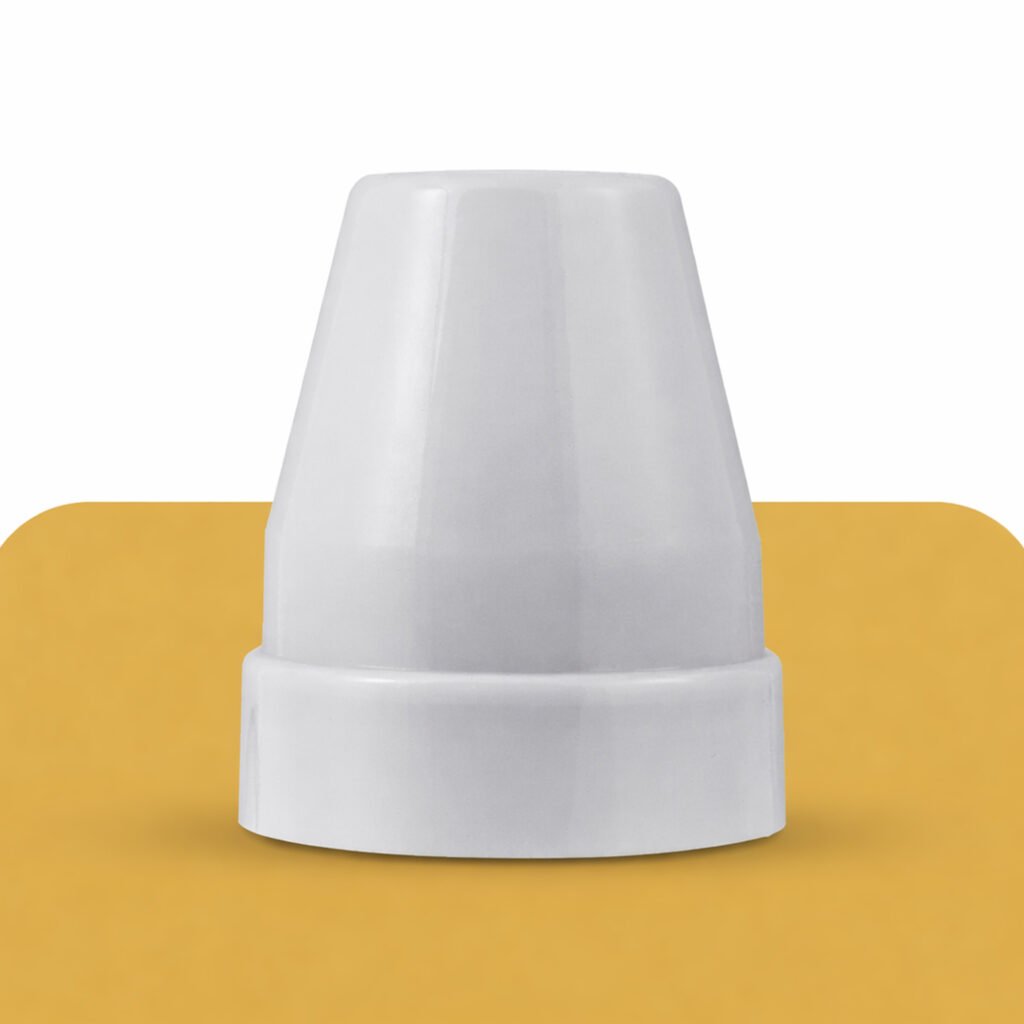
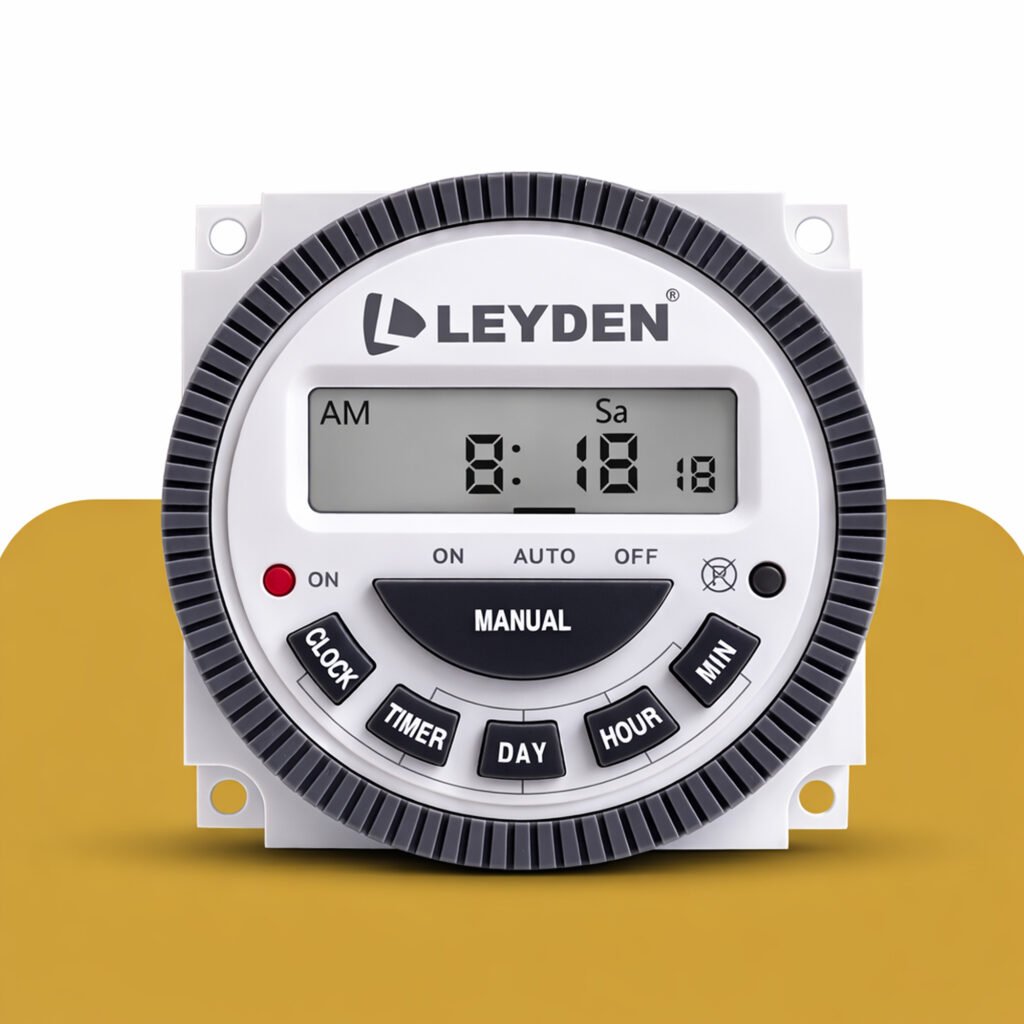
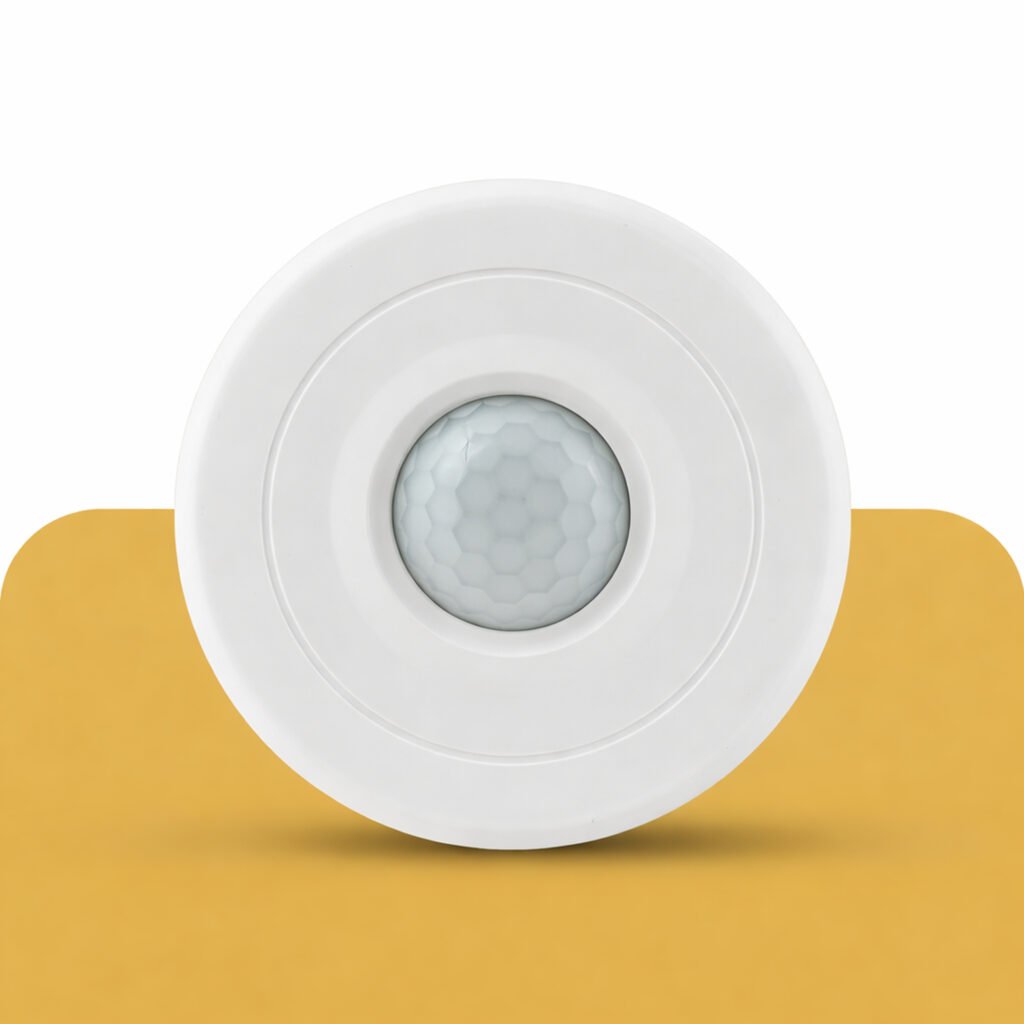
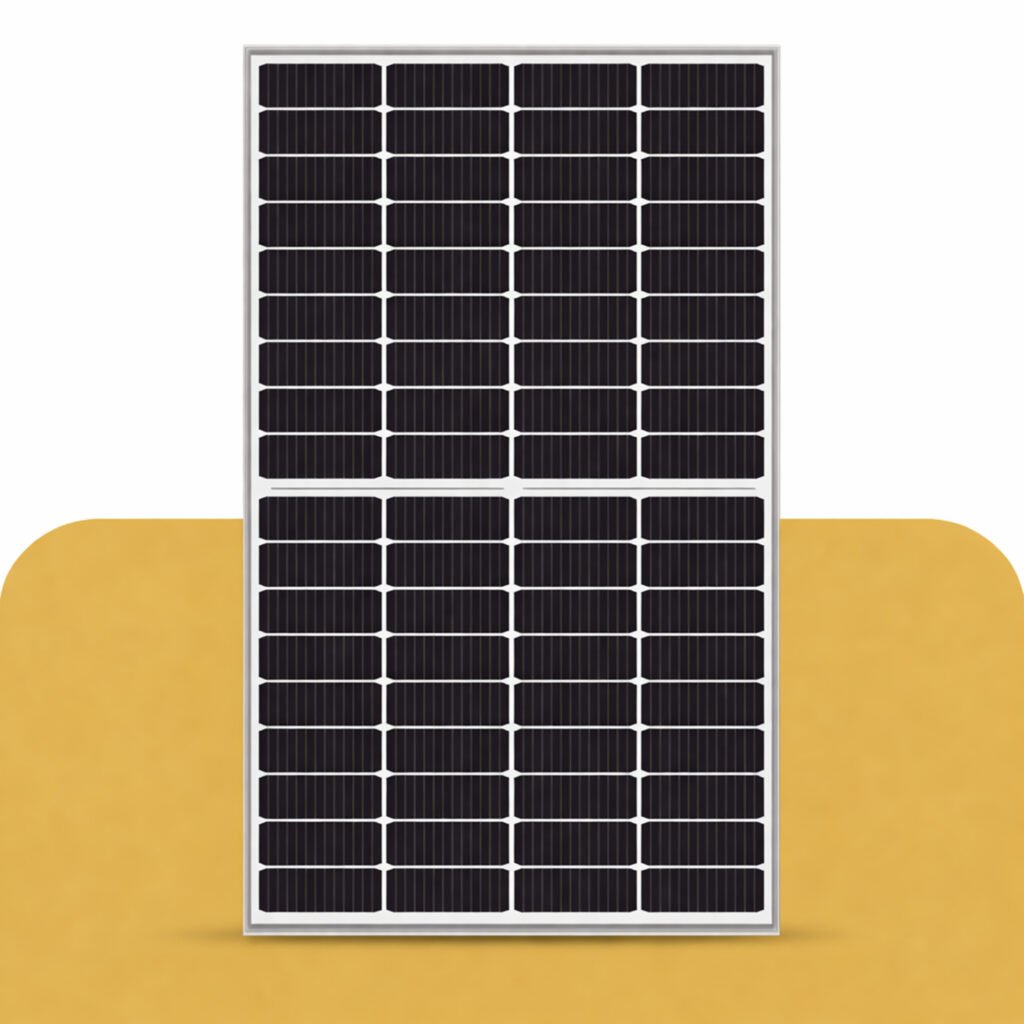
IP65 Waterproof
Dust & Rain Resistant
BIS Certified
Government Approved Quality
2 Year Warranty
Reliable Long Term Performance
Dusk to Dawn
Automatic Night Lighting
Light Sensors Buying Guide
(Complete Guide to Choosing the Right Sensor for Lights)
Choose based on your need:
| Problem | Solution |
|---|---|
| Lights left ON | Motion Sensor |
| Fixed schedule needed | Timer Switch |
| Automatic sunset ON/OFF | Day/Night Sensor |
| No electricity available | Solar Panel Setup |
👉 Don’t buy randomly—buy based on use case.
- Motion Sensor → Best for irregular usage areas
- Timer Switch → Best for fixed routines
- Day/Night Sensor → Best for outdoor lighting automation
👉 For best results, combine them.
- Street Light → Day/Night Sensor
- Garden Light → Timer + Day/Night Sensor
- Staircase → Motion Sensor
- Parking Area → Motion Sensor + Day/Night
👉 Smart combinations = maximum efficiency.
For motion sensors:
- Range → 3m to 12m
- Detection angle → 120° to 360°
👉 Wrong placement = missed detection or false triggers.
- Wall-mounted sensors → 6–8 feet
- Ceiling sensors → Central placement
👉 Proper positioning ensures accurate performance.
- Indoor → Basic sensors
- Outdoor → Weatherproof (IP65+)
👉 Outdoor conditions demand better durability.
Choose timer switches with:
- Adjustable time slots
- Easy programming
- Backup memory
👉 More flexibility = better automation.
Frequently Asked Questions
(Before you Buy Sensors for Lights)
A motion sensor detects movement and automatically turns lights or devices ON/OFF. It helps save electricity and improves security by activating lights only when needed.
Motion sensors are commonly used in:
- Staircases
- Corridors
- Bathrooms
- Parking areas
- Outdoor entry points
Motion sensors detect infrared changes caused by human movement. When motion is detected, the connected light or device turns ON automatically and switches OFF after a preset time.
- Saves electricity
- Increases safety
- Hands-free operation
- Extends light lifespan
👉 Ideal for both homes and commercial spaces.
A timer switch allows you to set specific ON/OFF timings for lights or appliances.
👉 Example: Turn ON garden lights at 7 PM and OFF at 6 AM automatically.
- Outdoor lighting
- Sign boards
- Shops & showrooms
- Street lights
- Water pumps
A day/night sensor (also called a photocell sensor) automatically turns lights ON at sunset and OFF at sunrise based on ambient light.
- Motion Sensor → Works on movement
- Day/Night Sensor → Works on sunlight level
👉 Both can be used together for better automation.