
LED Street Lights for Roads, Lanes & Campuses
Choose 30W to 150W AC street lights by pole height, road width and pole diameter.
Shop Outdoor Lights
Street · High Bay · Stadium Flood · Facade Landscape
LED Street Lights
All in-stock products from the Lumencity outdoor catalogue for this category.
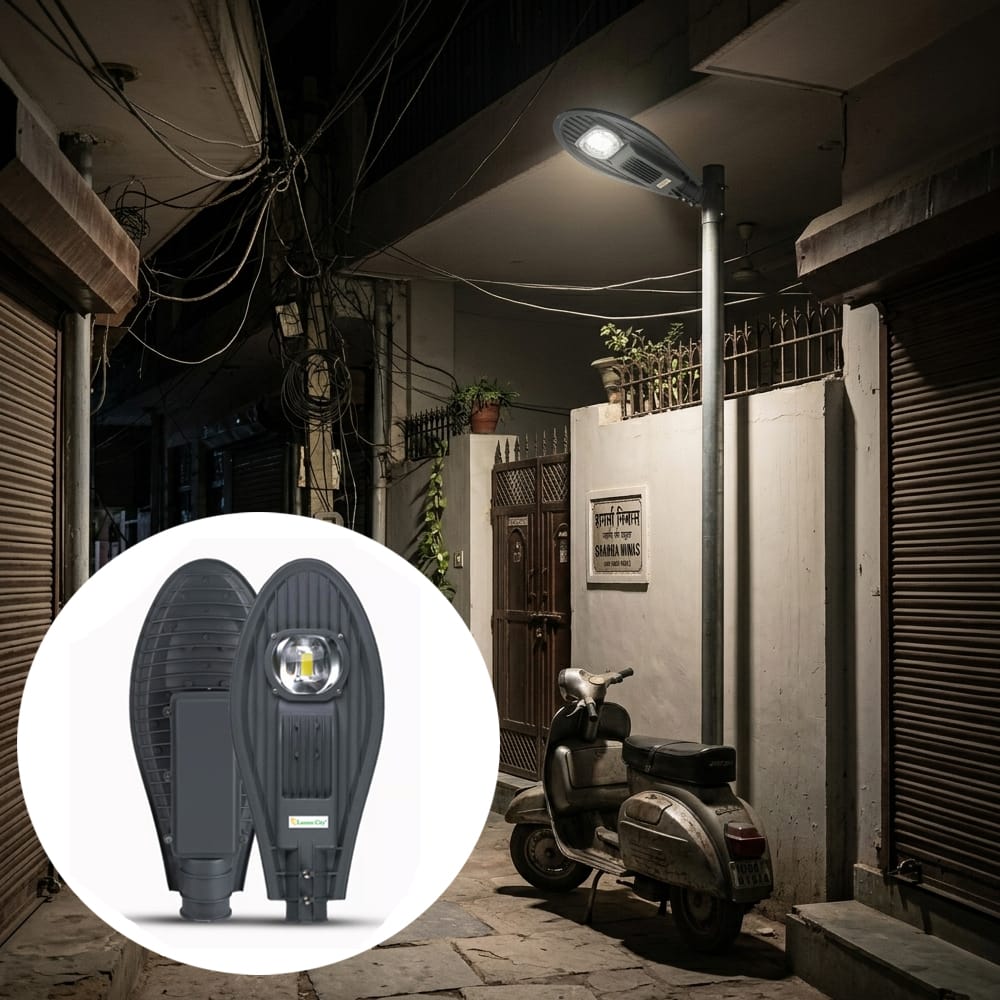
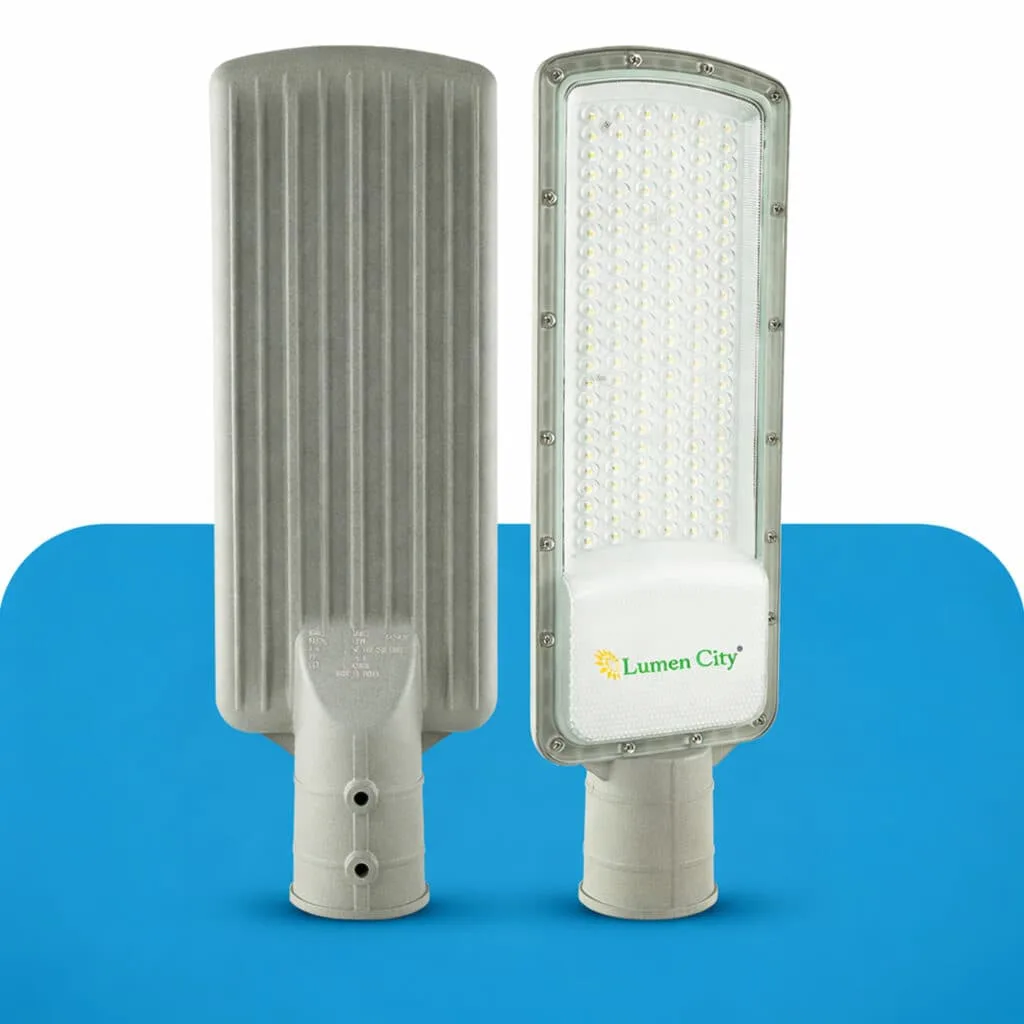
30W LED Street Light
30W outdoor lighting fixture for Lumencity project and retail buyers.

100W Slim LED Street Light
100W outdoor lighting fixture for Lumencity project and retail buyers.
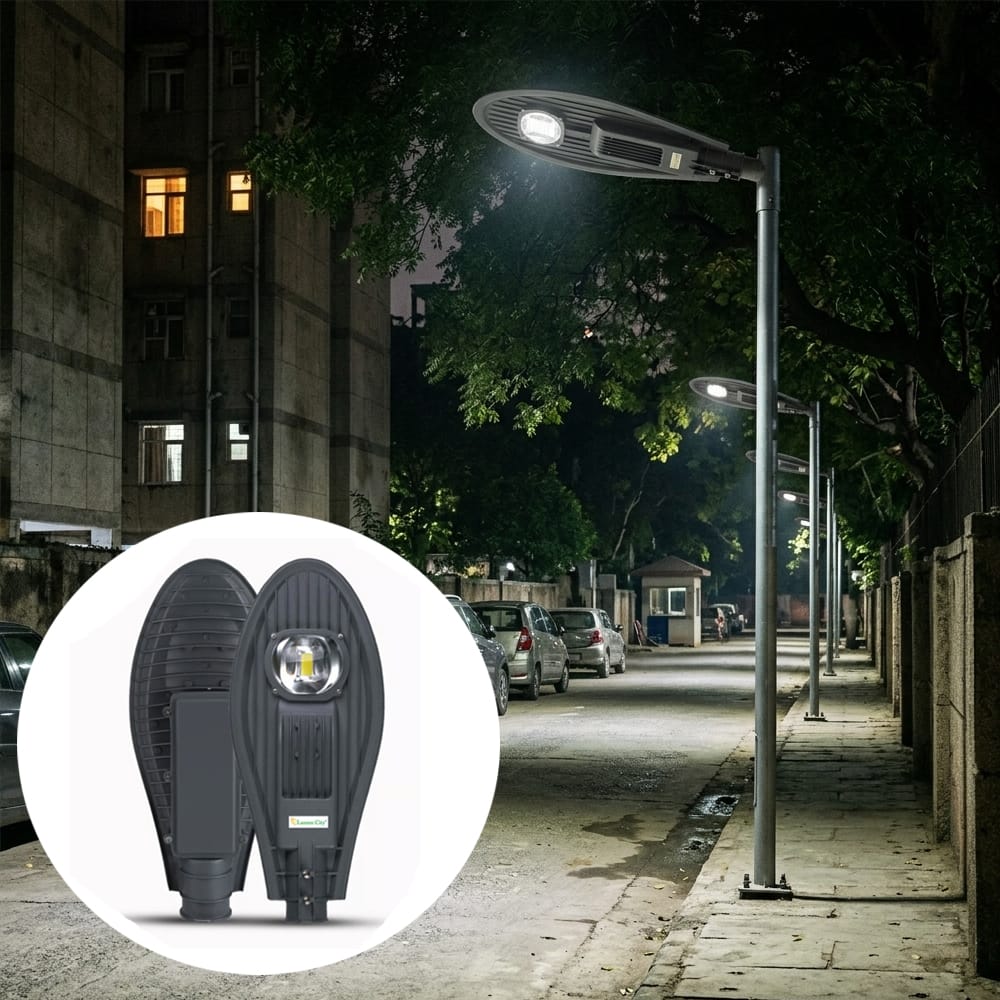
50W LED Street Light
50W outdoor lighting fixture for Lumencity project and retail buyers.
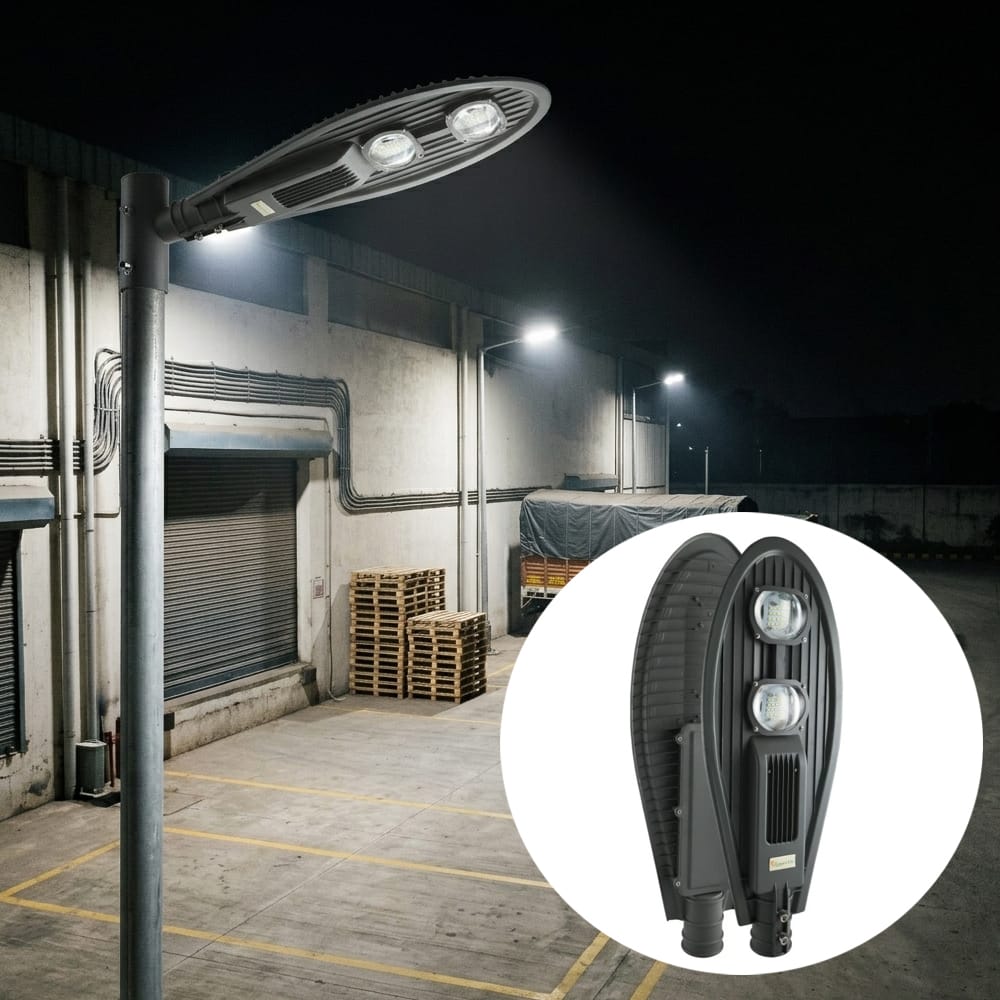
100W LED Street Light
100W outdoor lighting fixture for Lumencity project and retail buyers.
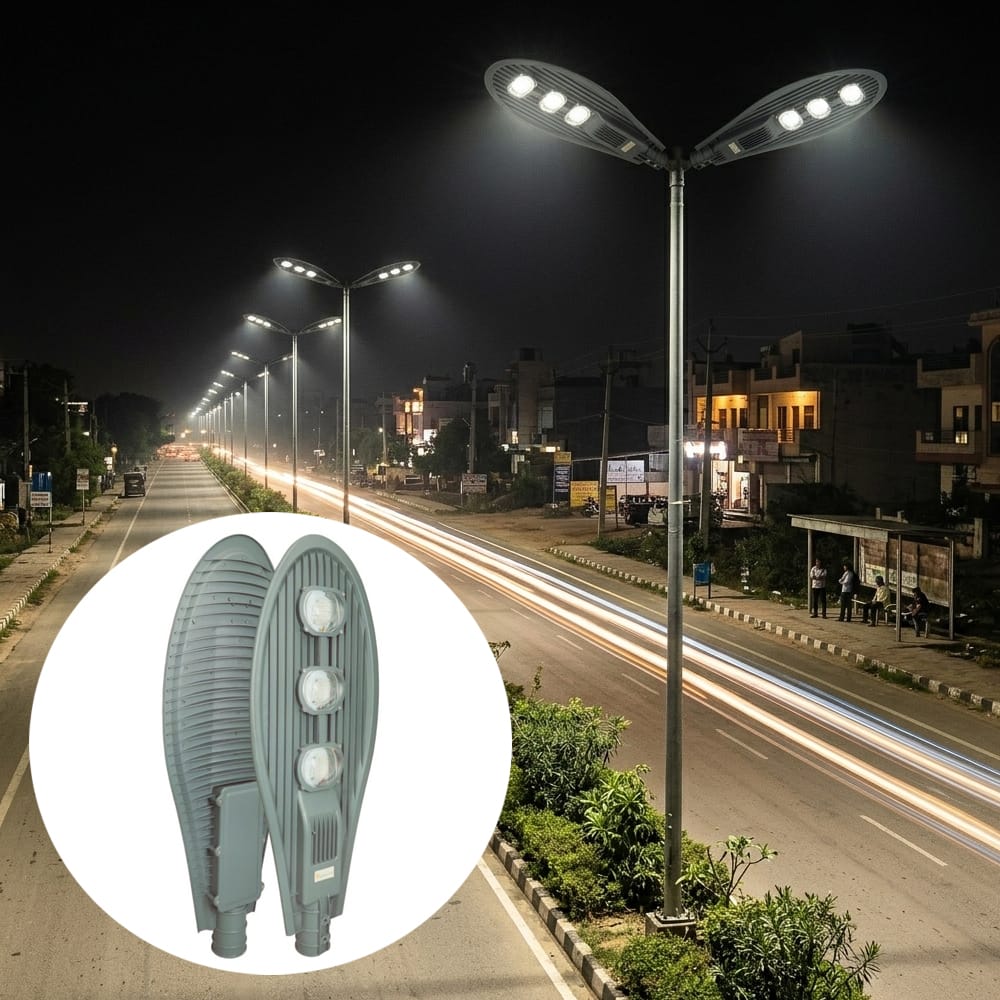
150W LED Street Light
150W outdoor lighting fixture for Lumencity project and retail buyers.
Plan by installation area
Choose the right outdoor light by where it will be installed, then pick the product category and wattage.
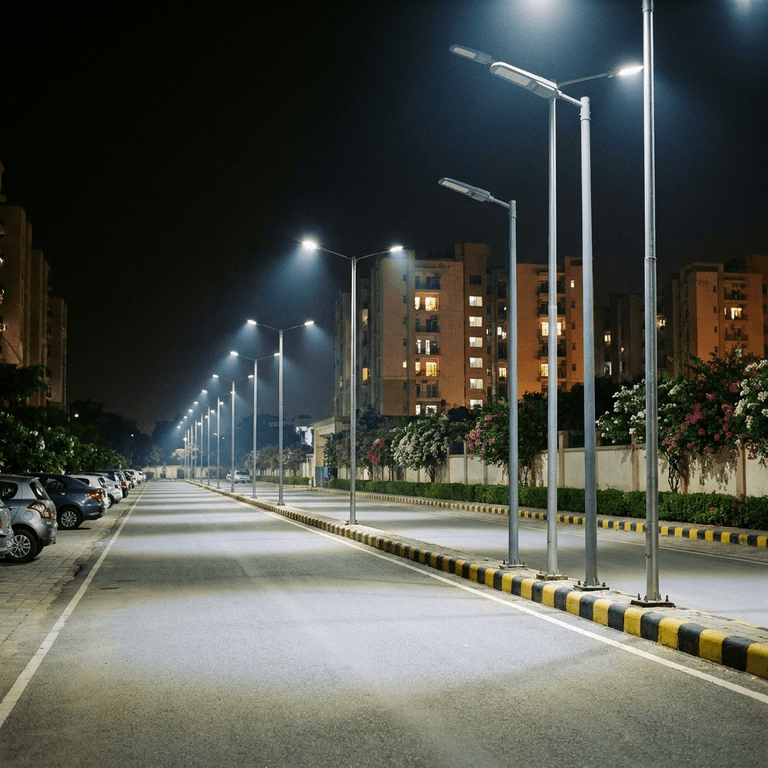
Society & Campus Street Lighting
Light internal roads, parking rows, entry gates and shared campus areas.

Warehouse, Factory & Godown Lighting
Plan high bays, bay lighting and loading-area coverage for industrial spaces.
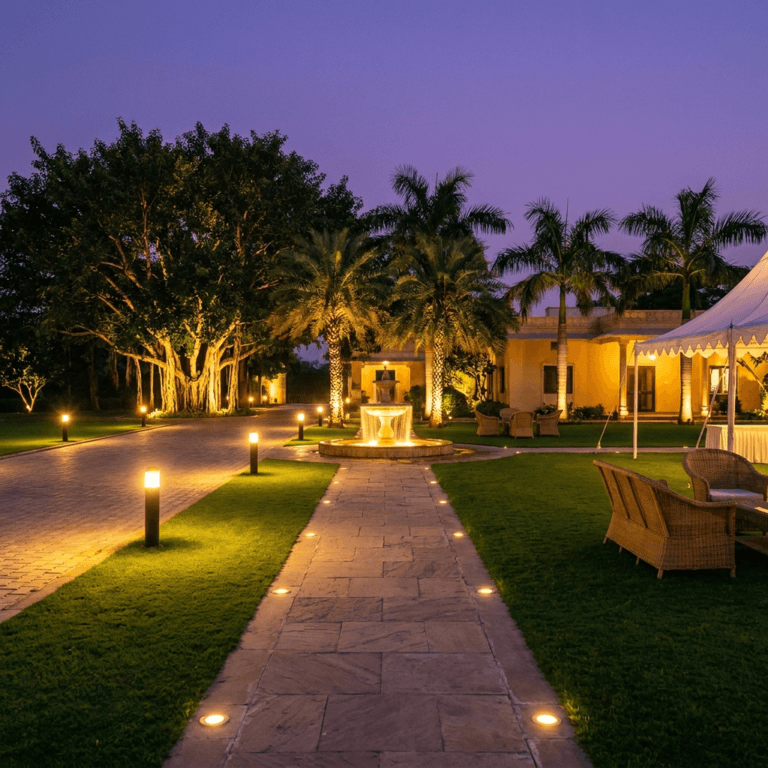
Farmhouse, Resort & Venue Lighting
Layer street, flood, facade and garden lights across larger outdoor properties.
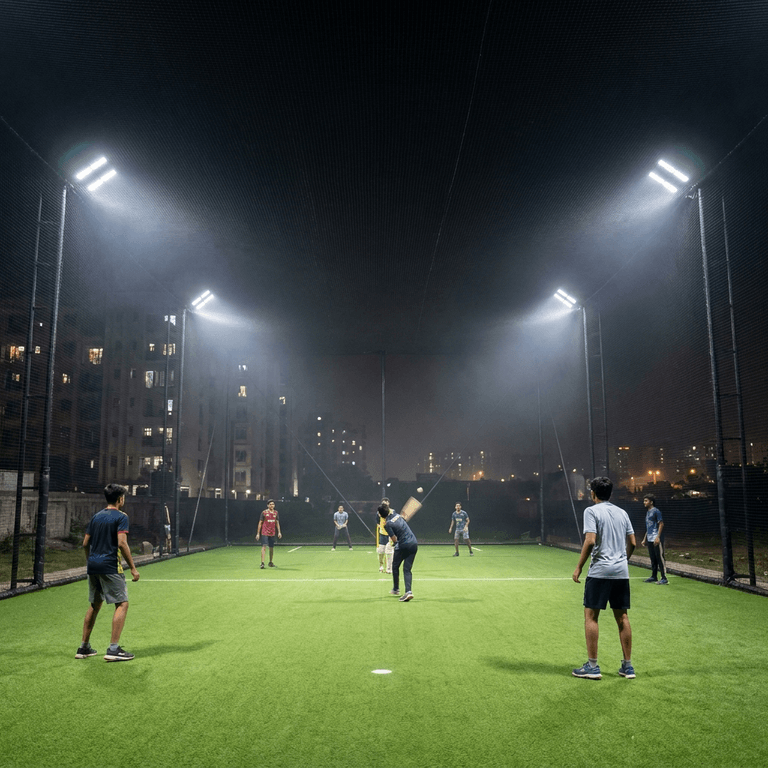
Cricket Ground & Turf Lighting
Choose flood and stadium lights for box cricket, turfs and practice nets.
Installed outdoor lighting results
Shuffled review images and buyer notes matched to this category.
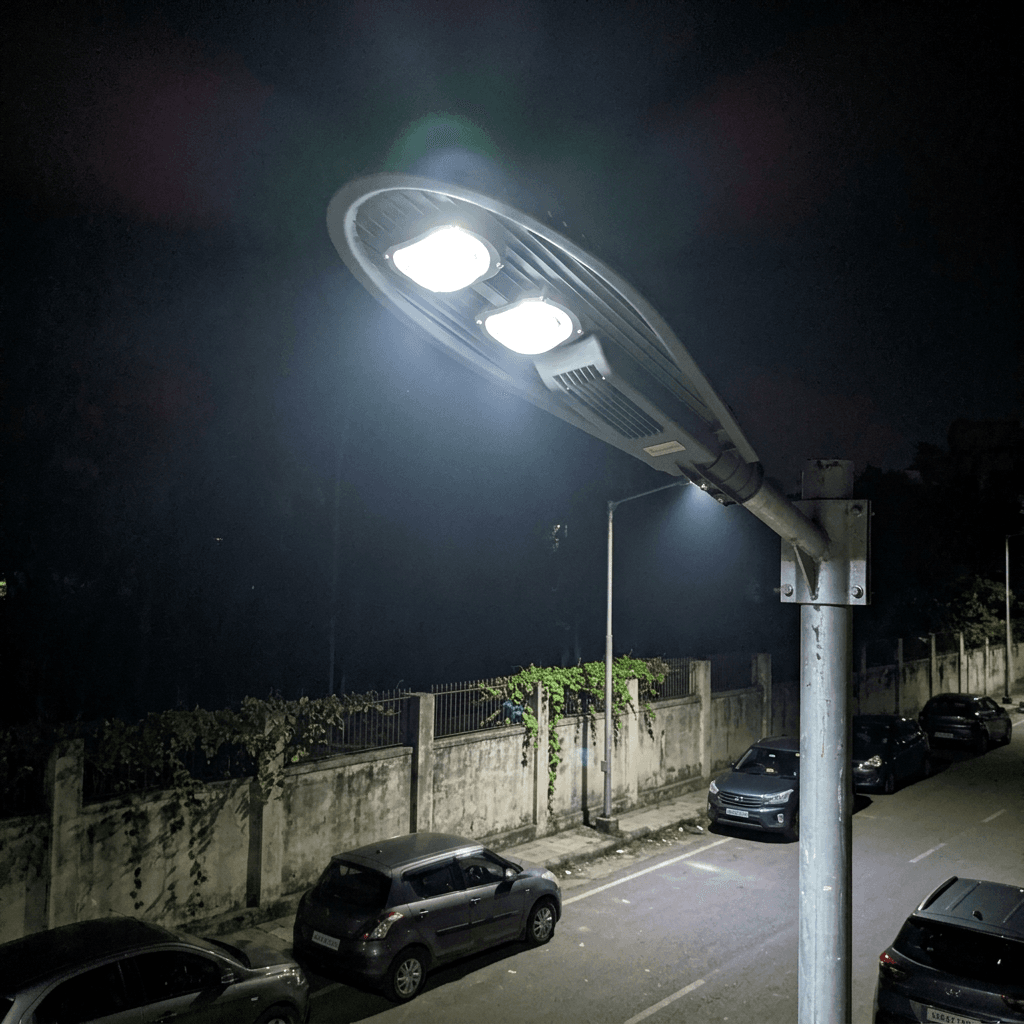
“The internal road looks even now, with no harsh glare near the pole.”
RWA purchase teamSociety road lighting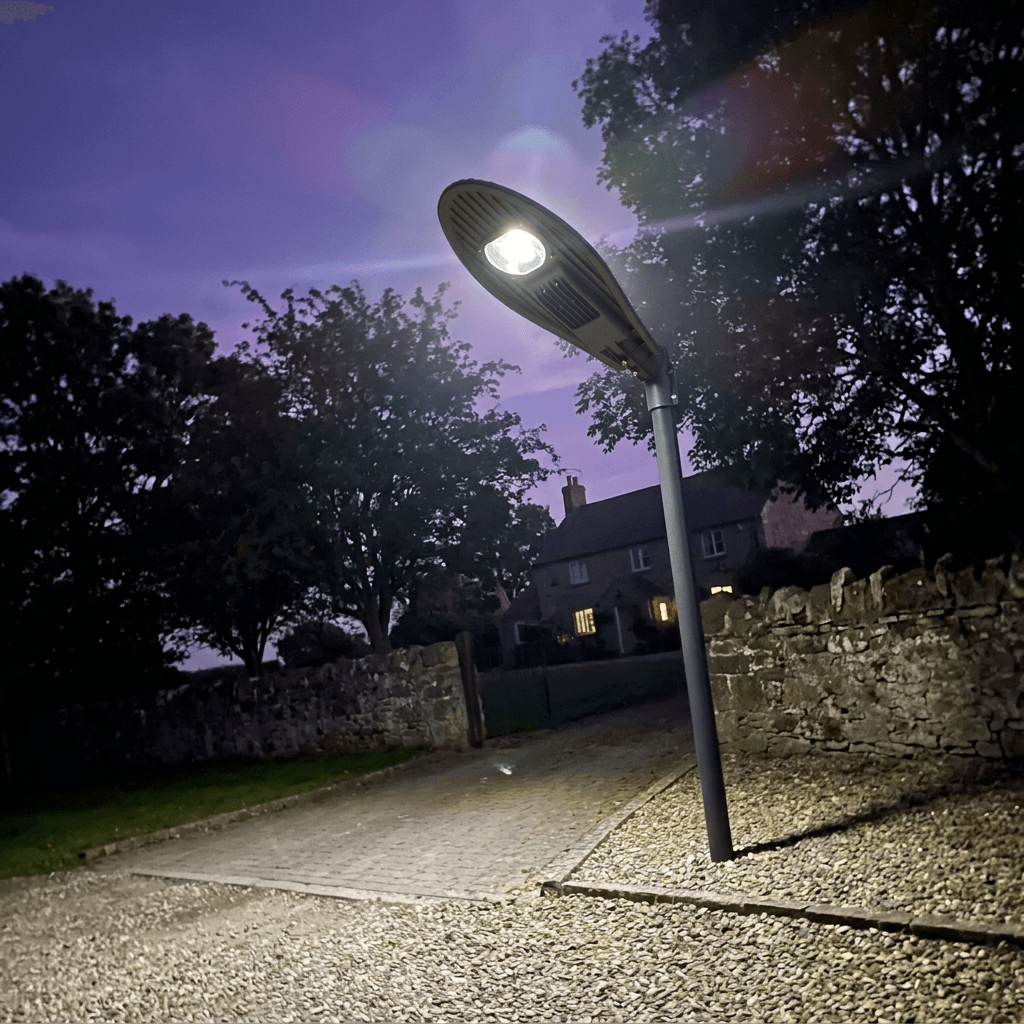
“The 50W street lights are enough for our driveway and gate approach.”
Farmhouse ownerApproach road lighting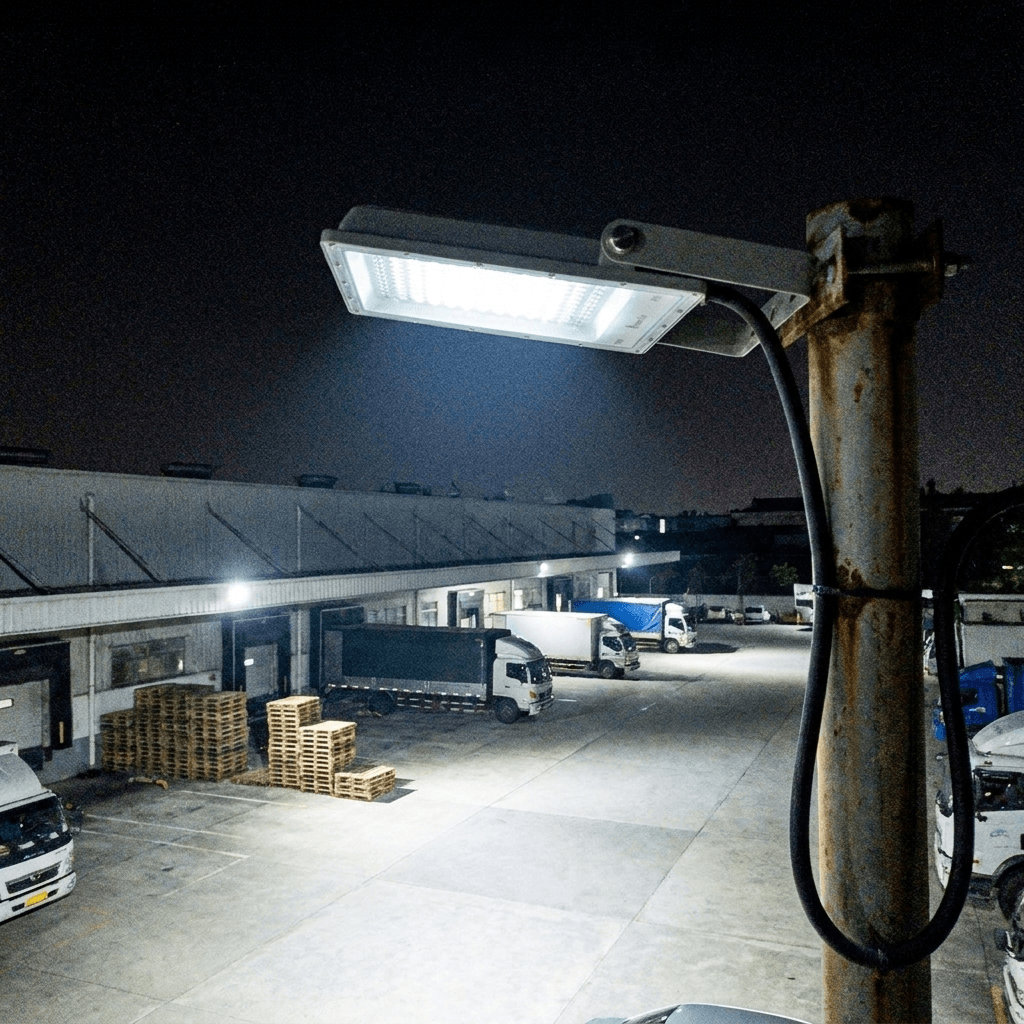
“Wide voltage was important for our site and the lights have stayed stable.”
Factory adminCompound lighting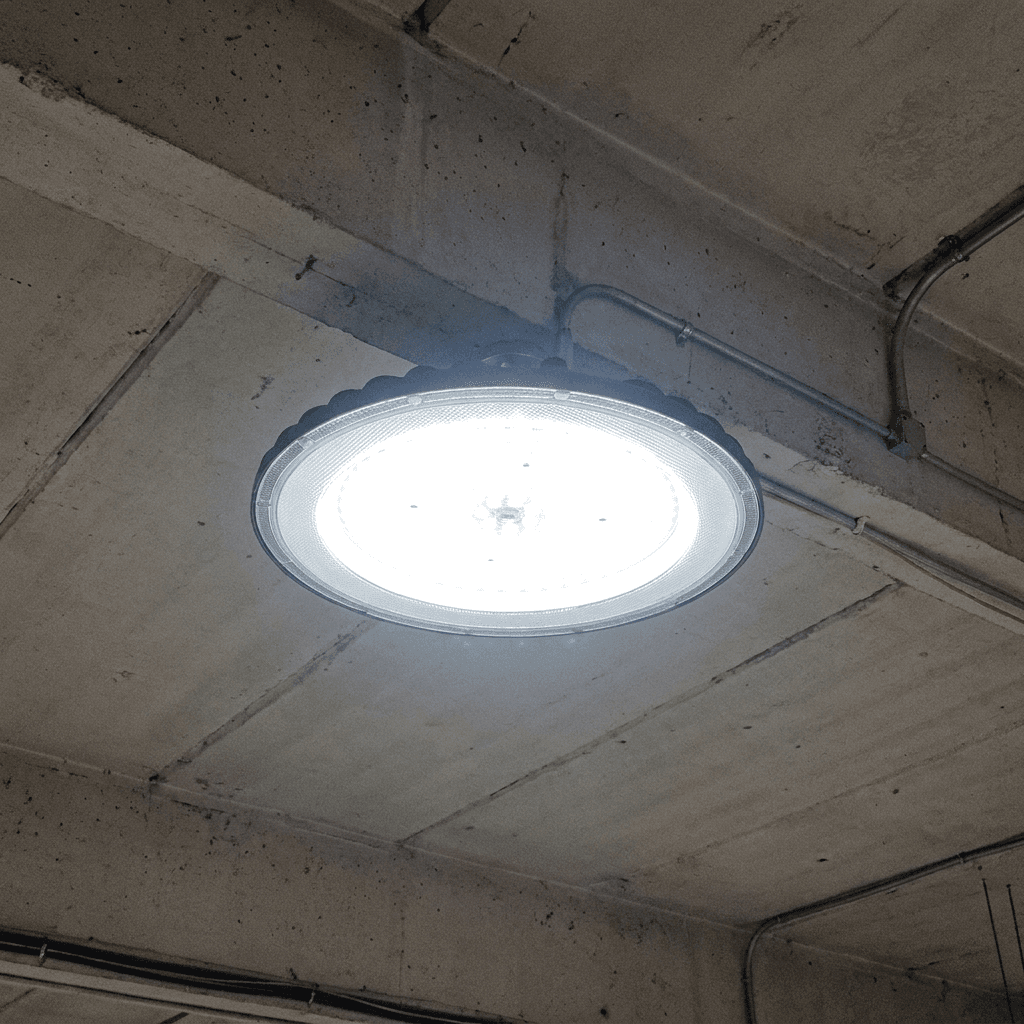
“The cool white light made the parking lane feel much safer at night.”
Parking contractorParking row lightingLumencity in the press
Coverage across energy, solar and national media for Lumencity's lighting work.
 Mercom India
 The Hindu
 Saur Energy
 EQ Magazine
 DD News
How to Choose an LED Street Light
A street light is bought on three numbers: the height of the pole, the width of the road, and the diameter of the pole top. Get those right and everything else follows. Get the third one wrong and the fitting will not go on, which is how most site days get lost.
1. Match wattage to pole height and road width
Street lights are specified by height, not by area. The taller the pole, the further the light has to travel before it does any work, and output has to rise to compensate.
Where a road is wider than the pole is tall, you need poles on both sides in a staggered pattern, not a bigger fixture on one side. A single over-powered light on a wide road produces glare at the pole and darkness at the kerb.
2. Check the pole diameter before you order
This is the detail that stops installations. Each fixture is built for a specific pole top diameter:
Measure the outer diameter of the pole top, not the base - most street light poles are tapered. If you're ordering poles at the same time, specify them to match the fixture you've chosen rather than the other way round.
3. Slim or standard - the 100W decision
We sell two 100W street lights at very different prices, and the difference is real rather than cosmetic.
**100W Slim (₹1,999)** - a compact, lightweight body on a 50 mm pole. The right choice for colony lanes, parking areas, farm approach roads and campus paths: places where the fixture runs a few hours a night, wind loading is low, and budget per pole matters because there are a lot of poles.
4. What "wide voltage" means and why it matters here
Every street light in this range accepts 90-265V input. That is not a marketing line - it's the single most important reliability spec for outdoor lighting in India.
Street lights sit at the end of long feeders. Voltage sags in the evening peak, spikes when supply is restored after a cut, and takes surges from nearby switching. A fixed-voltage driver treats each of these as an event to survive; a wide-input driver treats them as normal operating range.
5. Lumens per watt, and the number sellers avoid
Our street lights run at 100 lm/W across the range - 30W gives 3,000 lumens, 200W gives 20,000. That figure lets you compare honestly against anything else you're quoted.
Be careful with quotes that state only wattage. A 100W fitting at 70 lm/W produces 7,000 lumens; at 100 lm/W it produces 10,000. Same power bill, 43% more light. Wattage is what you pay for; lumens are what you get.
6. Do you need a sensor?
Street lights don't switch themselves. There are three ways to control them:
- **Manual switching** - someone turns them on and off. Free, and unreliable in practice. - **Day/night photocell sensor** - switches at dusk and dawn automatically, adjusting with the season. The default choice for society roads, farms and campuses where nobody wants a daily job. - **Digital timer switch** - fixed on and off times. Useful when you want lights off at a set hour to cut consumption, for example a factory compound where nobody is on site after midnight.
7. IP65, and why higher isn't needed here
All these fixtures are IP65: fully dust-tight, and protected against water jets from every direction.
That is the correct rating for a pole-mounted light. A street light sheds water downward and is never submerged, so IP66 or IP67 adds cost without adding life. The exception is coastal installation, where salt air rather than water is the enemy - tell us if the site is within a few kilometres of the sea and we'll advise on housing and coating.
8. Cool white on roads
All street lights here are 6500K cool white, which is correct for the application. Cool light reads as brighter at the same lumen output and improves contrast, which is what matters when the job is spotting a pothole, a speed breaker or a pedestrian.
Warm white belongs on facades and gardens, where the job is making something look good. If you want warm light on a driveway approach for aesthetic reasons, use [facade and landscape fittings](https://lumencity.in/outdoor-led-lights/facade-landscape-lighting/) alongside the street lights rather than instead of them.
9. Ordering for a project
- **Ask for a layout.** Send road length, width and pole height and we'll return fixture count and spacing. - **Order 5% spare.** Installation damage happens, and matching a batch later is harder than it sounds. - **Confirm the arm.** Some poles need a bracket arm; check what's on site before delivery day. - **GST invoicing and bulk pricing** apply on project quantities. WhatsApp the requirement.
---
LED Street Lights FAQ
Quick answers before choosing the right model.
It depends on pole height and road width. Use 30W on a 3-4 m pole, 50W on 4-5 m, 100W on a 6-7 m society road, 150W on an 8-9 m main road, and 200W on a 10-12 m highway pole. Floor area is not the right basis for the calculation.
10,000 lumens. Our range runs at 100 lumens per watt throughout - 30W gives 3,000 lm, 50W gives 5,000 lm, 150W gives 15,000 lm and 200W gives 20,000 lm.
The 30W fits a 40 mm pole, the 50W and 100W Slim fit 50 mm, and the 100W, 150W and 200W standard models fit 60 mm. Measure the outer diameter at the pole top, since most street light poles taper toward the top.
Both produce 10,000 lumens. The Slim is lightweight on a 50 mm pole and suits colony lanes, parking and campus paths at a lower cost per pole. The standard model has a heavier die-cast body with more heat sink area, fits a 60 mm pole, and runs cooler over long nightly hours - the better choice for main roads and long-life installations.
Only with a sensor. A day/night photocell switches them at dusk and dawn automatically; a digital timer gives fixed on and off times. Both are sold separately, both wire to any fixture here, and one sensor can control an entire circuit rather than one per pole.
An AC street light runs on mains supply and delivers the same brightness every night regardless of weather. A solar street light generates and stores its own power, needs no cabling, and has no running cost, but output depends on the panel, battery and sunshine. Choose AC where supply exists; choose solar where trenching cable would cost more than the lights.
Yes. The 90-265V wide input range handles inverter and generator supply without issue. The loads are small - a 100W street light draws a fraction of what a single ceiling fan circuit does.
They are IP65 - fully dust-tight and protected against water jets from any direction, which covers monsoon rain comfortably on a pole-mounted fixture. A higher IP rating adds cost without adding life on a light that is never submerged.
Three to four times the mounting height. A 4 m pole spaces at 12-16 m, a 6 m pole at 18-24 m, a 9 m pole at 27-36 m. Use the closer end of the range on curves, near crossings, and where trees will grow into the beam.
Usually the driver rather than the LEDs, which typically outlast it several times over. Voltage spikes, restoration surges after a power cut and heat build-up are the common causes. A wide 90-265V input, a die-cast heat sink and panel-level surge protection are what prevent it.
Yes to both. We are BIS certified and government empanelled, manufacturing in Delhi and shipping PAN India with GST invoicing. Share a tender specification or BOQ and we'll quote against it.
Two years. Keep the GST invoice as the warranty reference. Extended terms can be discussed on project quantities.
Read the latest lighting guides
Buying advice, project notes and category explainers from Lumencity.