
Street Lights for Society Roads, Parking & Apartment Campuses
Plan roads, parking, ramps, staircases and gate lighting with wattage, pole spacing and bulk-ready product choices.
Five areas every society proposal should cover
Roads and ramps solve safety. Gate, staircases and parking are what residents notice daily.
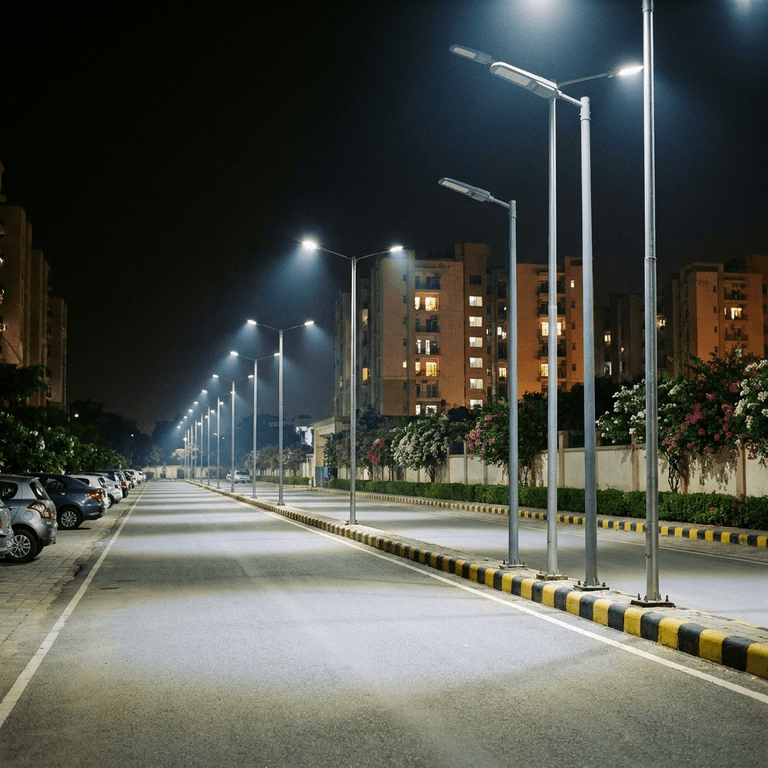
Turn the quote into a clear fixture schedule
Use pole height, parking dimensions and basement routes to build a proposal residents can understand before a general body meeting.
Internal roads
Pole height and road width decide the wattage; this is the RWA proposal core.
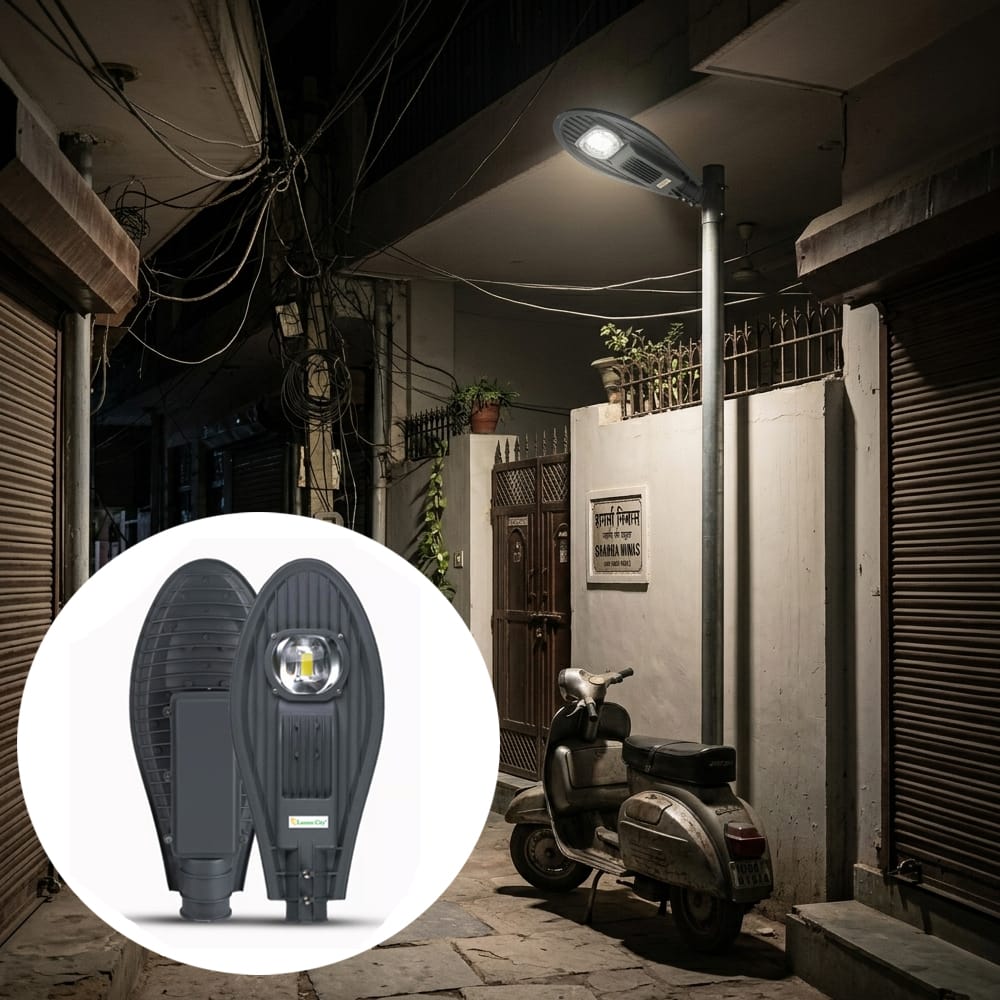
30W LED Street Light - 3000lm - IP65 - 90-265V - Cool White
Use 30W for gate lanes, 50W for service lanes, 100W for most internal roads and 150W for wide approach roads.
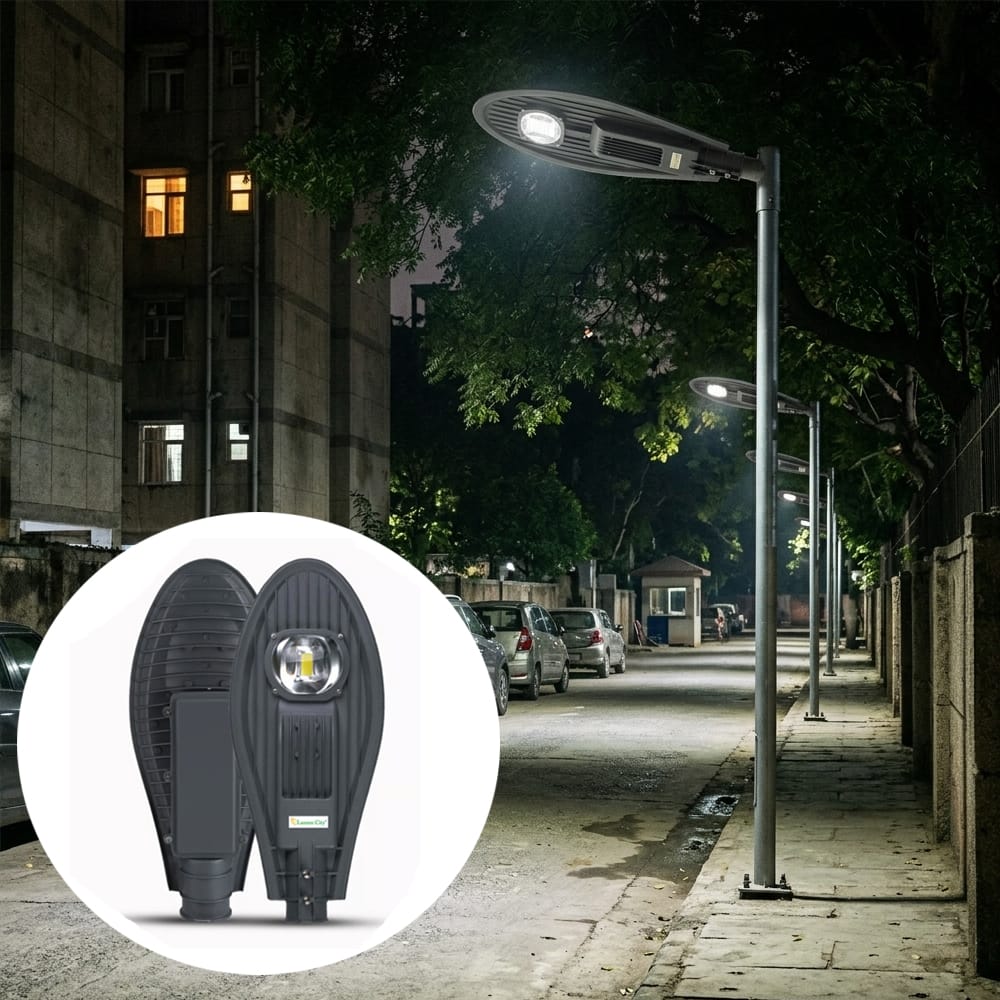
50W LED Street Light - 5000lm - IP65 - 90-265V - Cool White
Use 30W for gate lanes, 50W for service lanes, 100W for most internal roads and 150W for wide approach roads.

100W Slim LED Street Light - 10000lm - IP65 - 90-265V - Cool White
Use 30W for gate lanes, 50W for service lanes, 100W for most internal roads and 150W for wide approach roads.
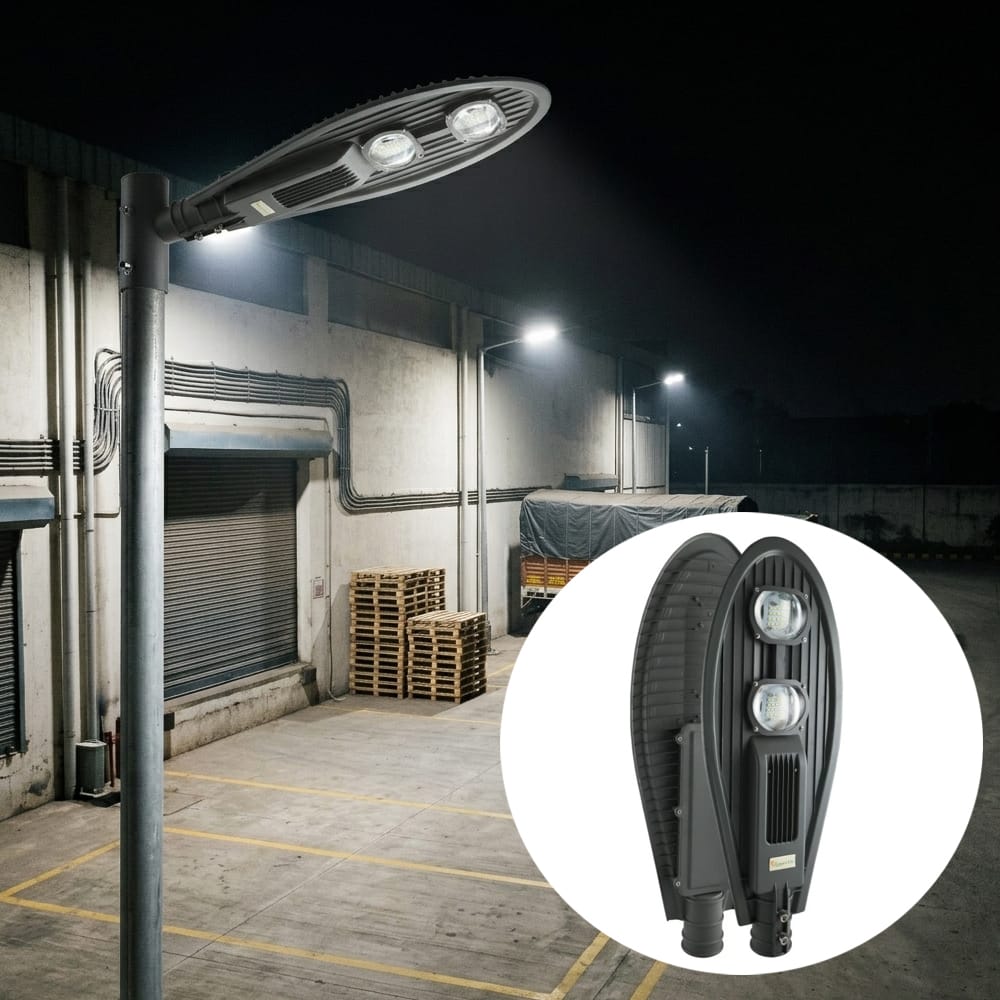
100W LED Street Light - 10000lm - IP65 - 90-265V - Cool White
Use 30W for gate lanes, 50W for service lanes, 100W for most internal roads and 150W for wide approach roads.
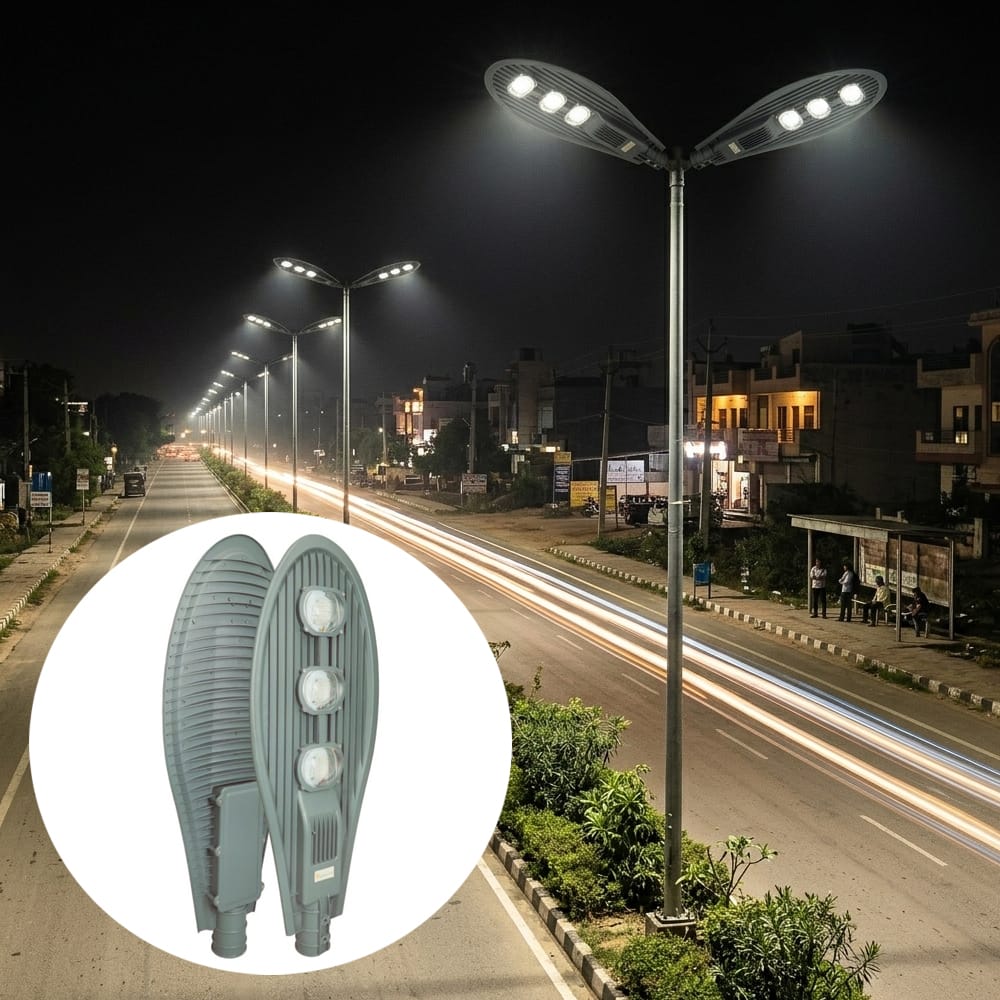
150W LED Street Light - 15000lm - IP65 - 90-265V - Cool White
Use 30W for gate lanes, 50W for service lanes, 100W for most internal roads and 150W for wide approach roads.
Open parking & ramps
Remove dark pockets where residents walk between parked cars.
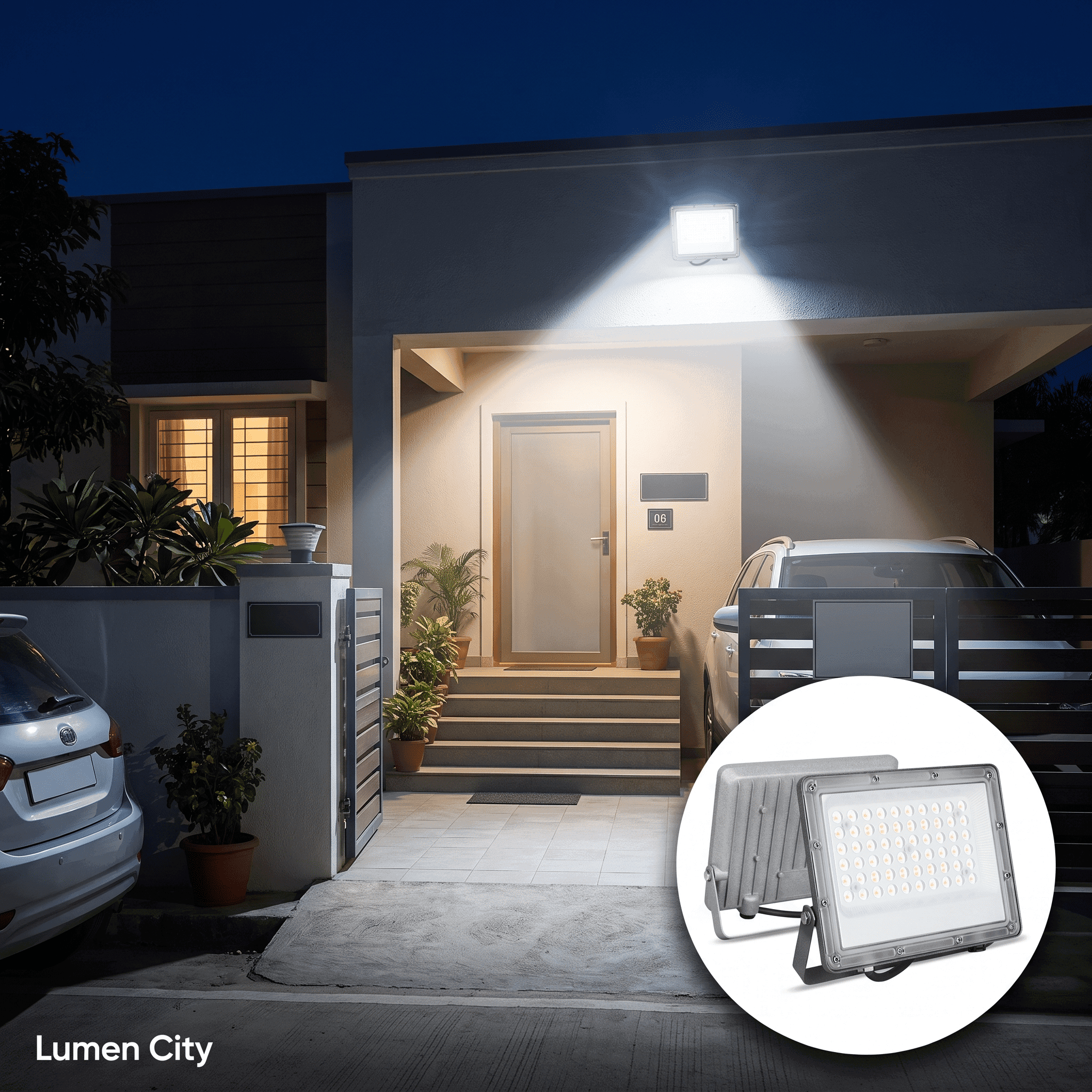
50W - IP65 Rating - 6000 Lumens - Wide Voltage - Slim Flood Light
Use floods for bays and ramps, street lights where parking rows already have poles.
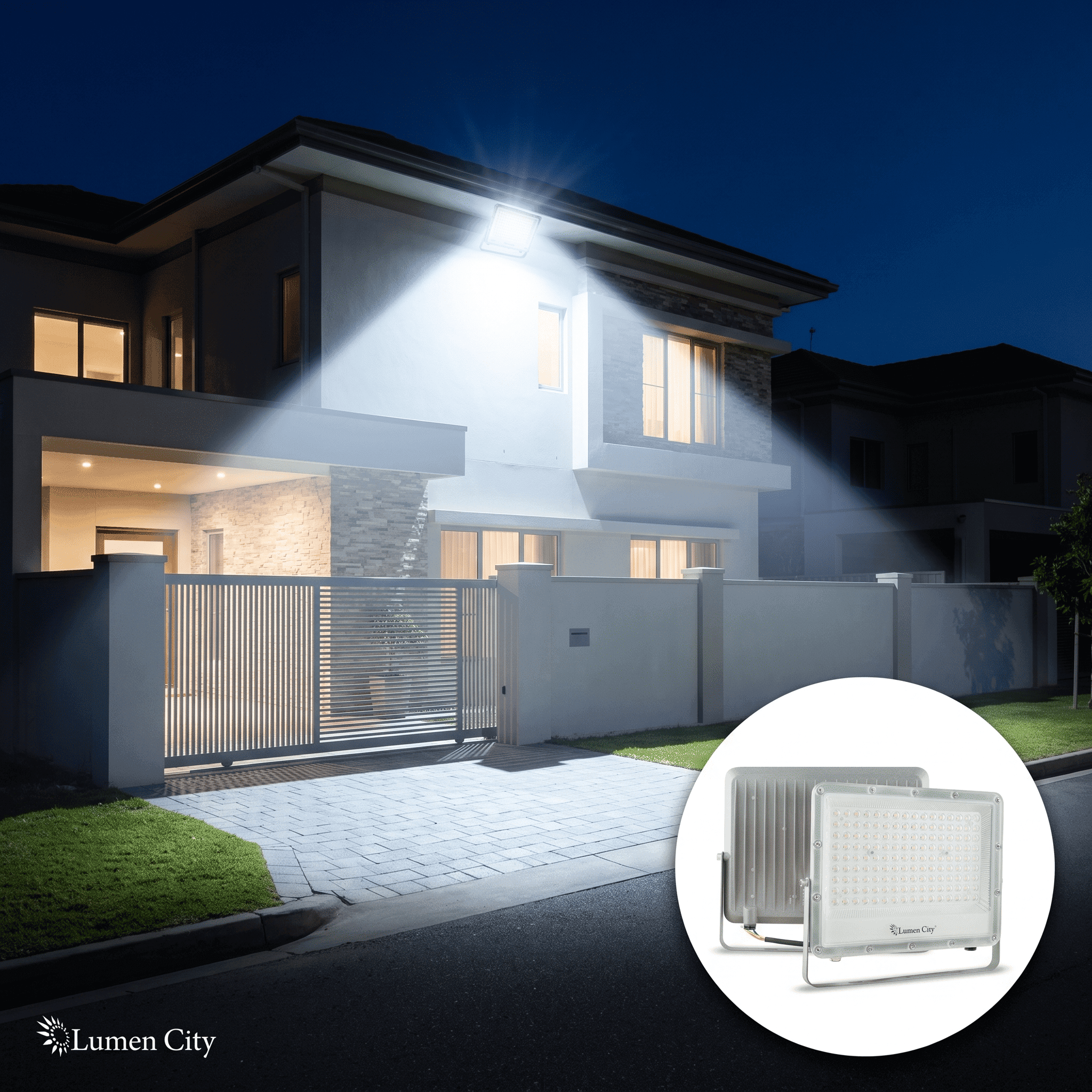
100W - IP65 Rating - 12000 Lumens - Cool White - Slim Flood Light
Use floods for bays and ramps, street lights where parking rows already have poles.
100W Slim LED Street Light - 10000lm - IP65 - 90-265V - Cool White
Use floods for bays and ramps, street lights where parking rows already have poles.
50W LED Street Light - 5000lm - IP65 - 90-265V - Cool White
Use floods for bays and ramps, street lights where parking rows already have poles.
Staircases & corridors
Small fixtures residents notice every day.
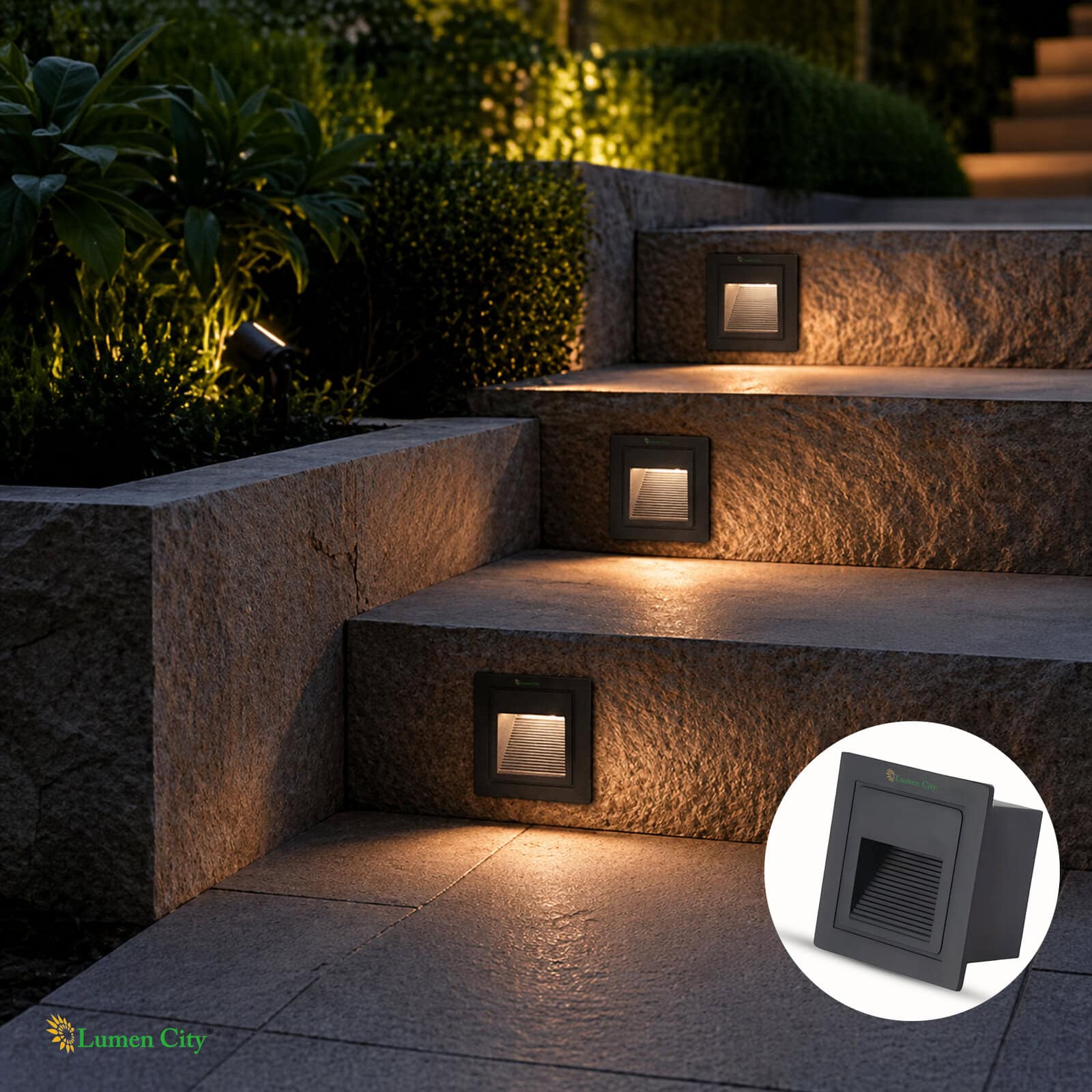
3W LED Step Light - Square Recessed - 85x85mm
Low-watt step and wall lights improve safety, emergency egress and the maintained look of common areas.
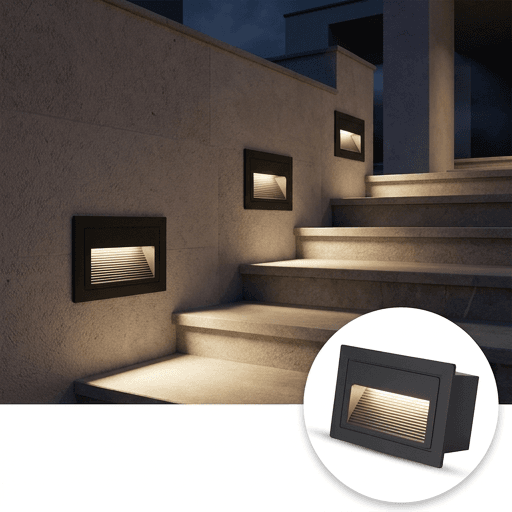
6W LED Step Light - Rectangular Recessed - 145x70mm
Low-watt step and wall lights improve safety, emergency egress and the maintained look of common areas.
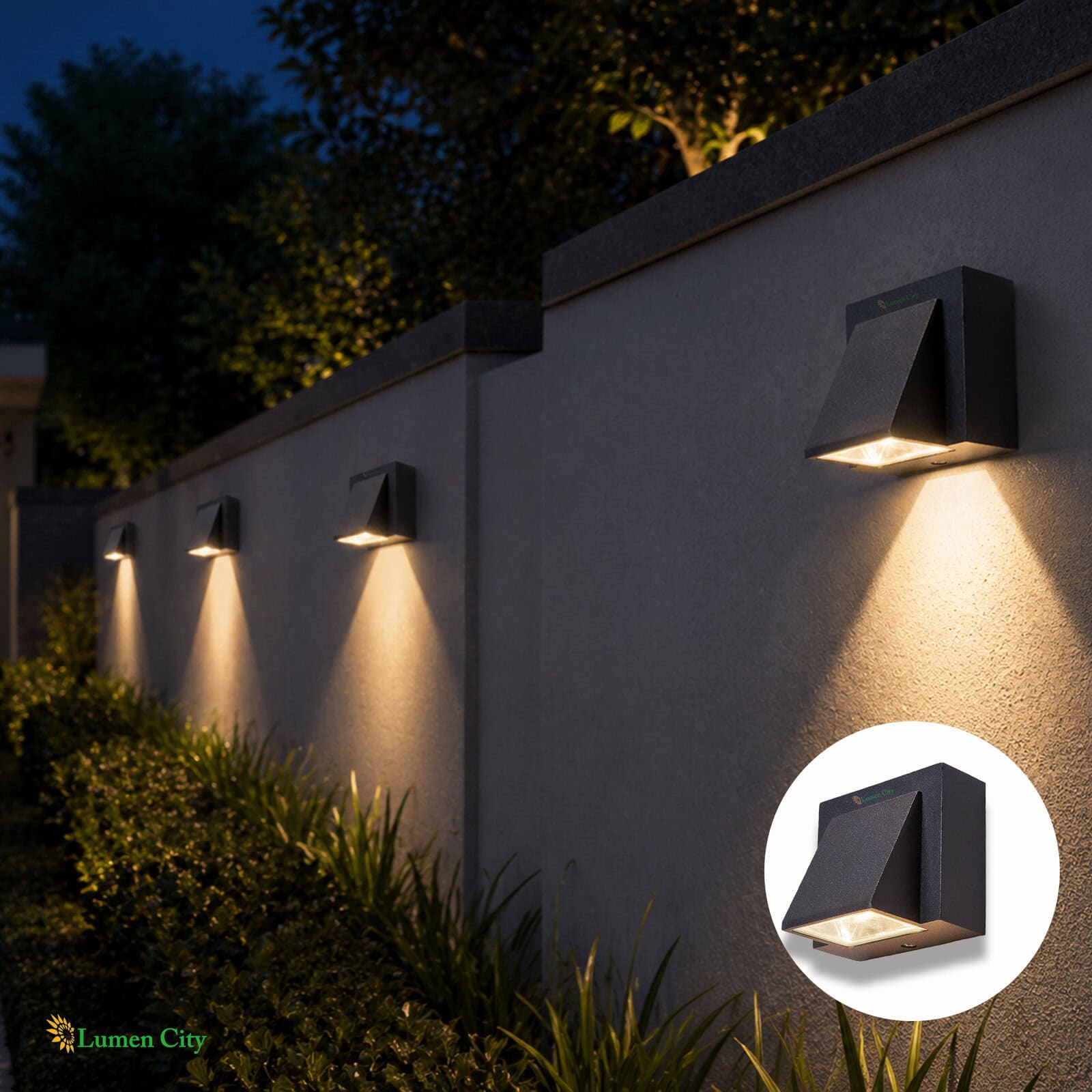
3W Outdoor Wall Down Light - 1 Way - 80x80mm
Low-watt step and wall lights improve safety, emergency egress and the maintained look of common areas.
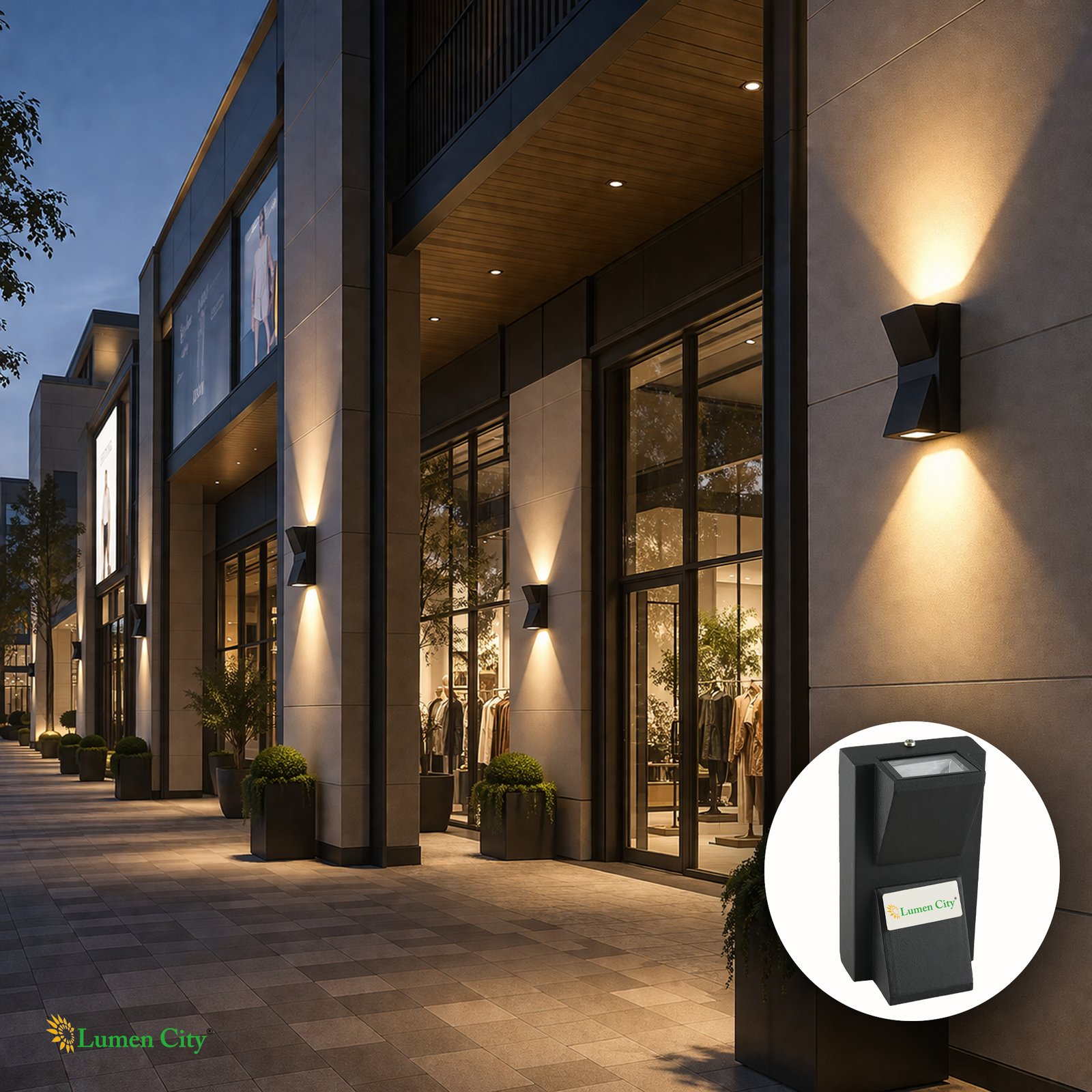
6W Outdoor Wall Light - 2 Way - 145x80mm
Low-watt step and wall lights improve safety, emergency egress and the maintained look of common areas.
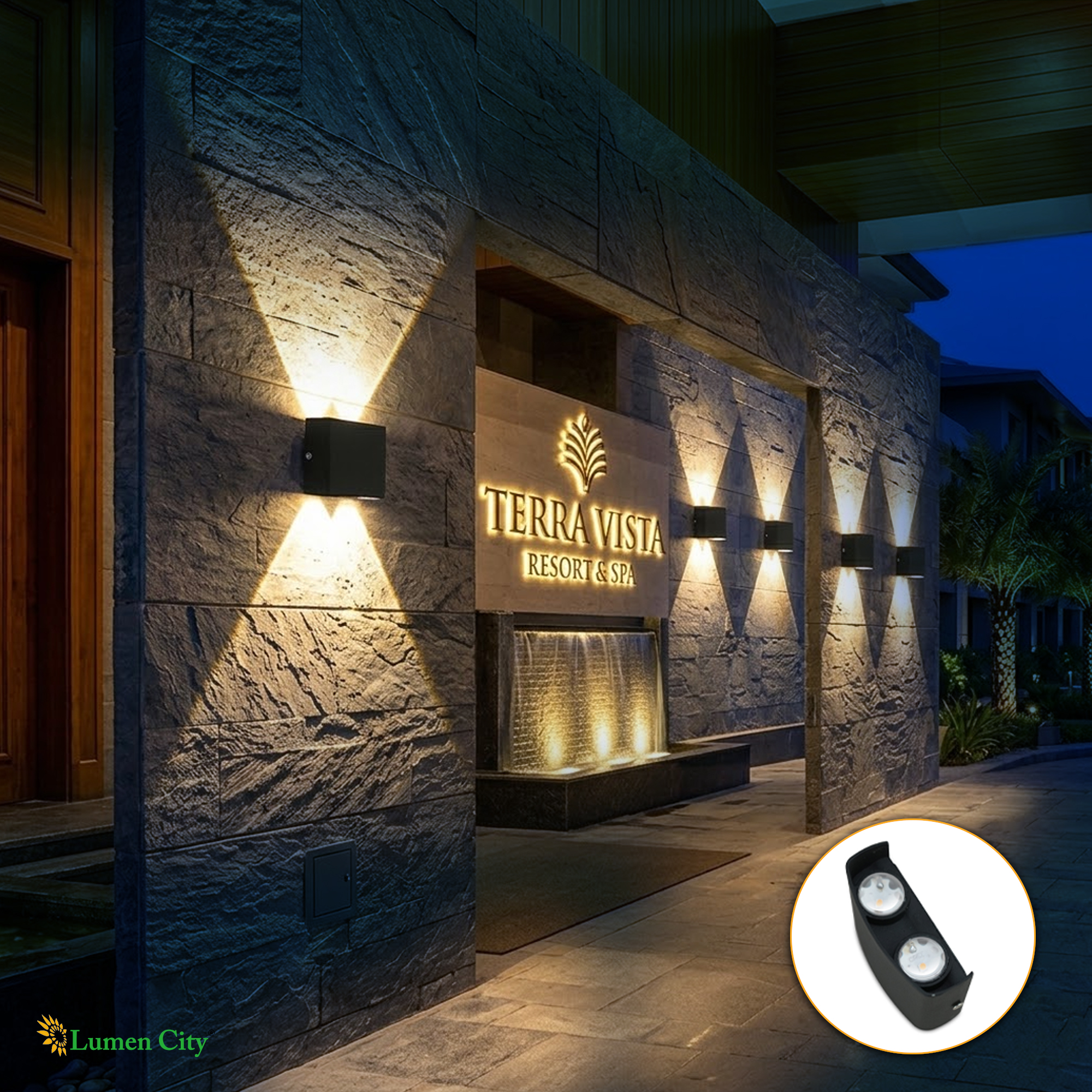
4 Lens Up Down Wall Light - 2+2 Beam - 140mm
Low-watt step and wall lights improve safety, emergency egress and the maintained look of common areas.
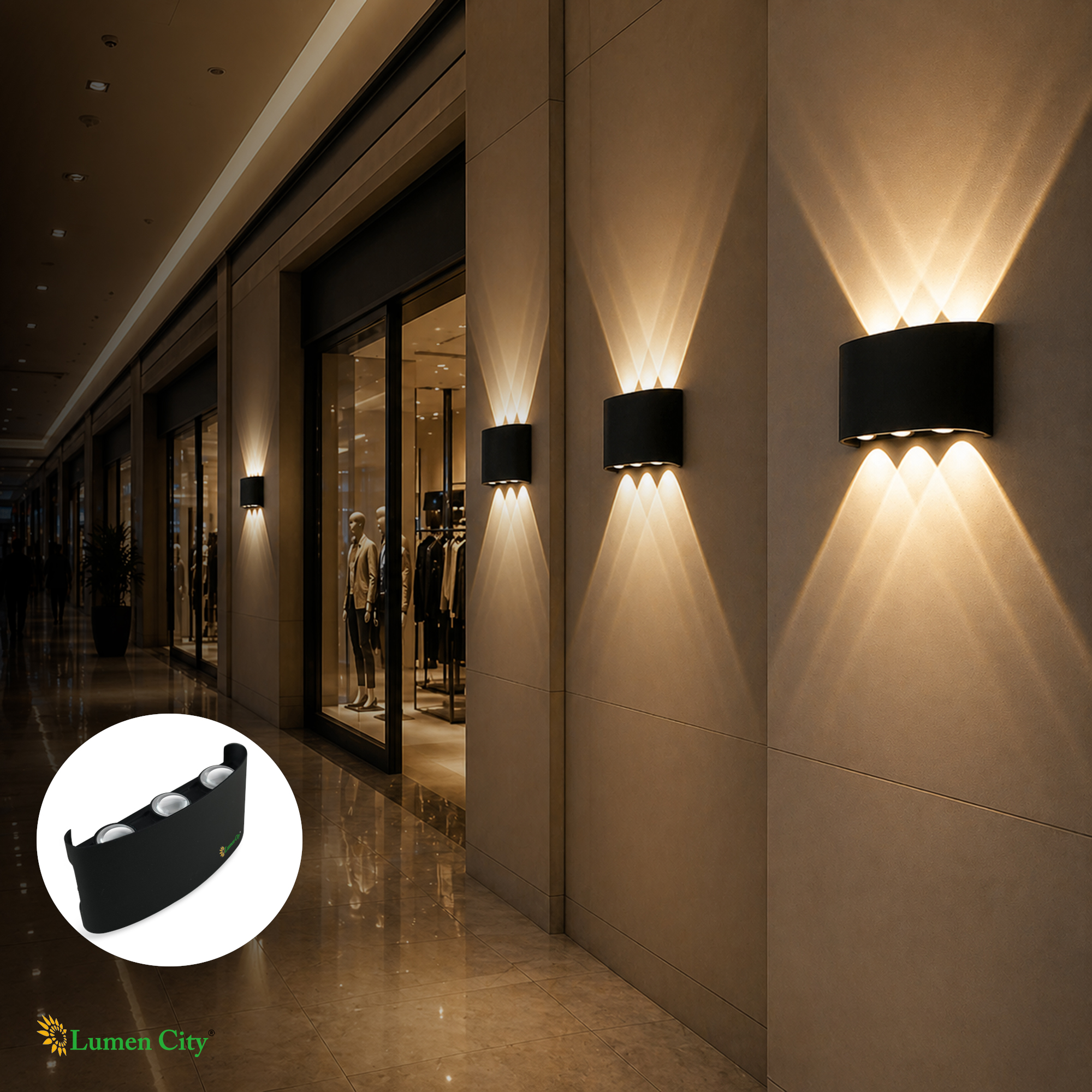
6 Lens Up Down Wall Light - 3+3 Beam - 180mm
Low-watt step and wall lights improve safety, emergency egress and the maintained look of common areas.
Entrance gate & boundary
First impression, security perimeter and society name board.
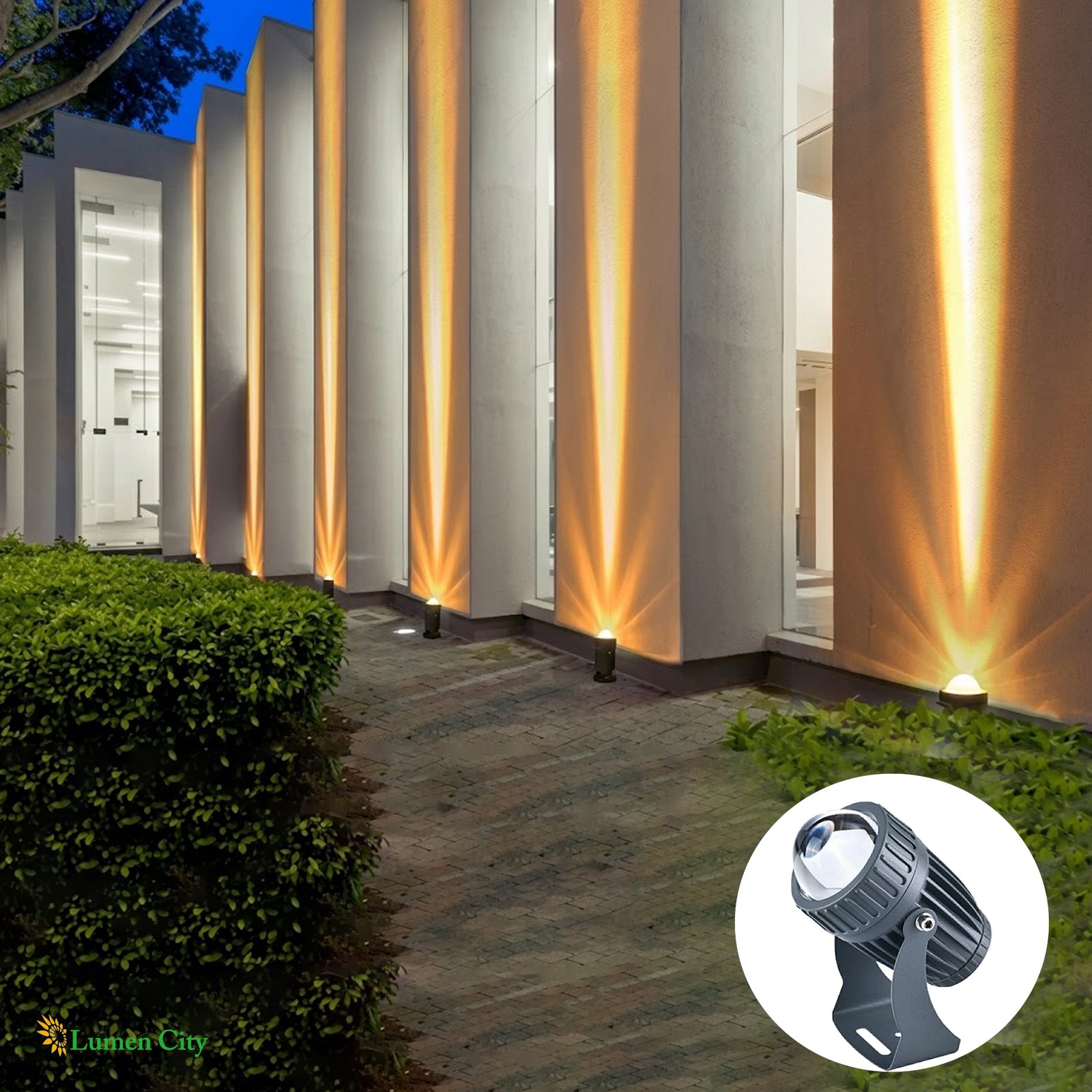
10W Facade Column Light - Warm White - 7° Narrow Beam - IP68
Warm facade lighting at the gate, cool functional light on roads and turning areas.
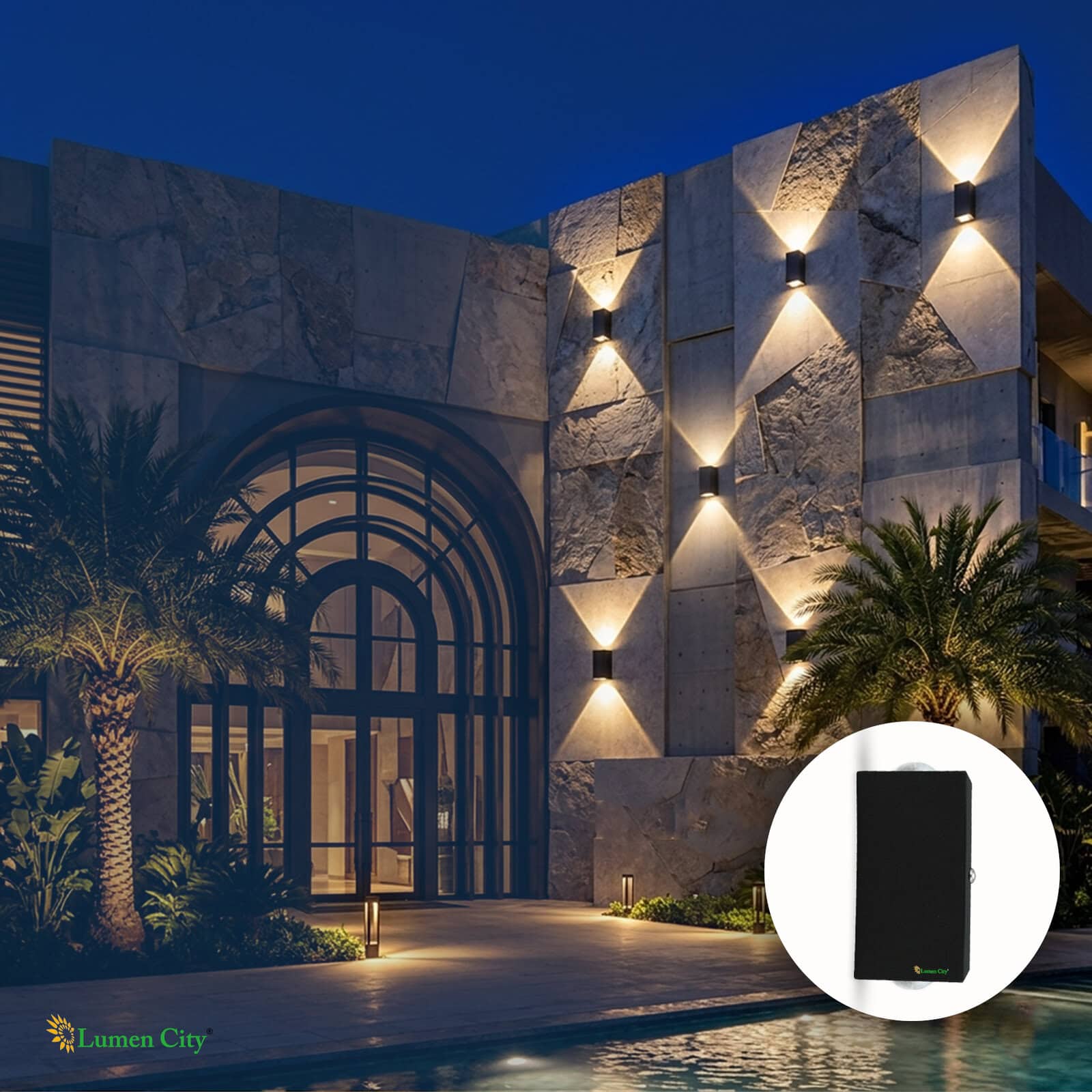
2 Way Up Down Wall Light - 75x75mm
Warm facade lighting at the gate, cool functional light on roads and turning areas.
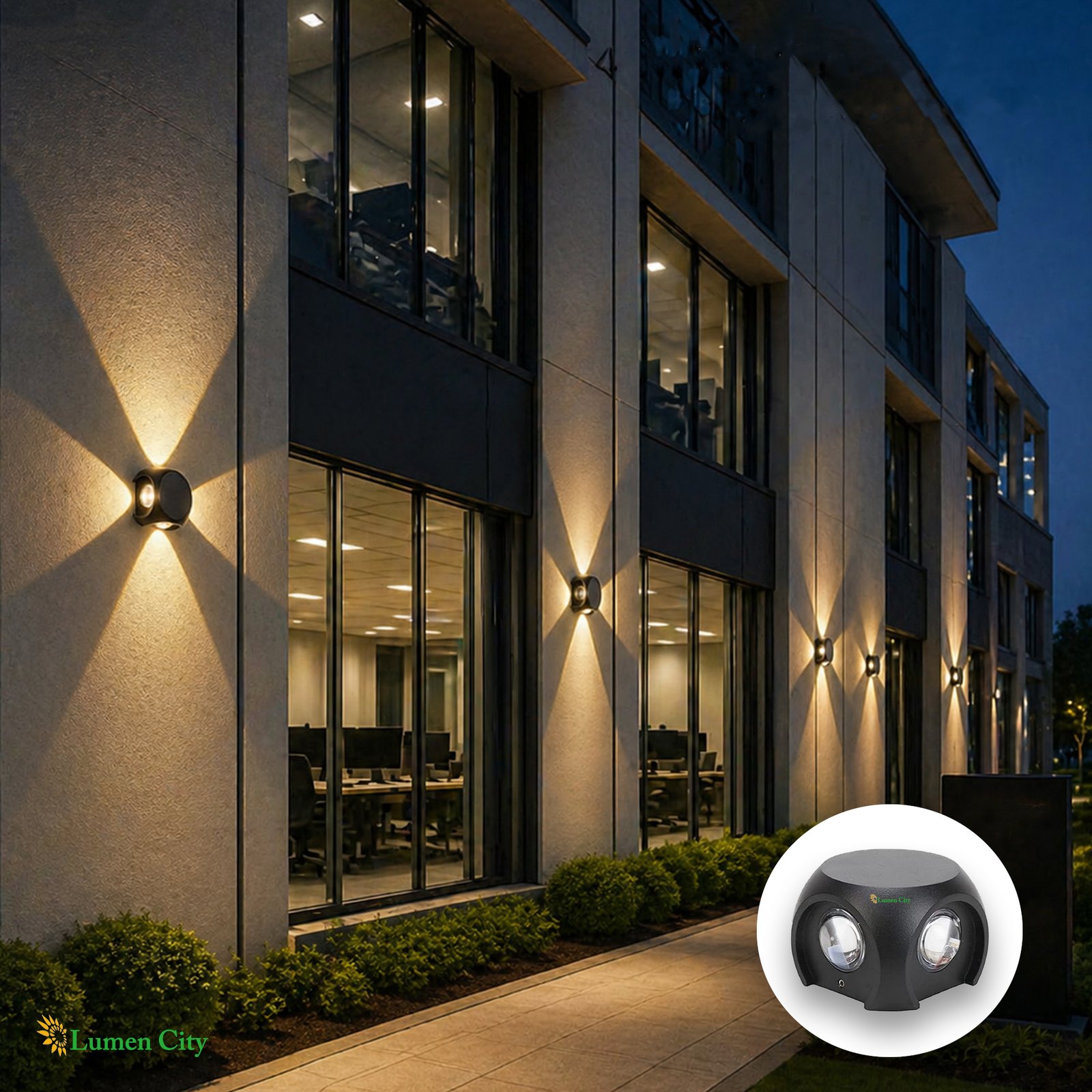
4 Way Wall Light - Cross Beam - 75x75mm
Warm facade lighting at the gate, cool functional light on roads and turning areas.
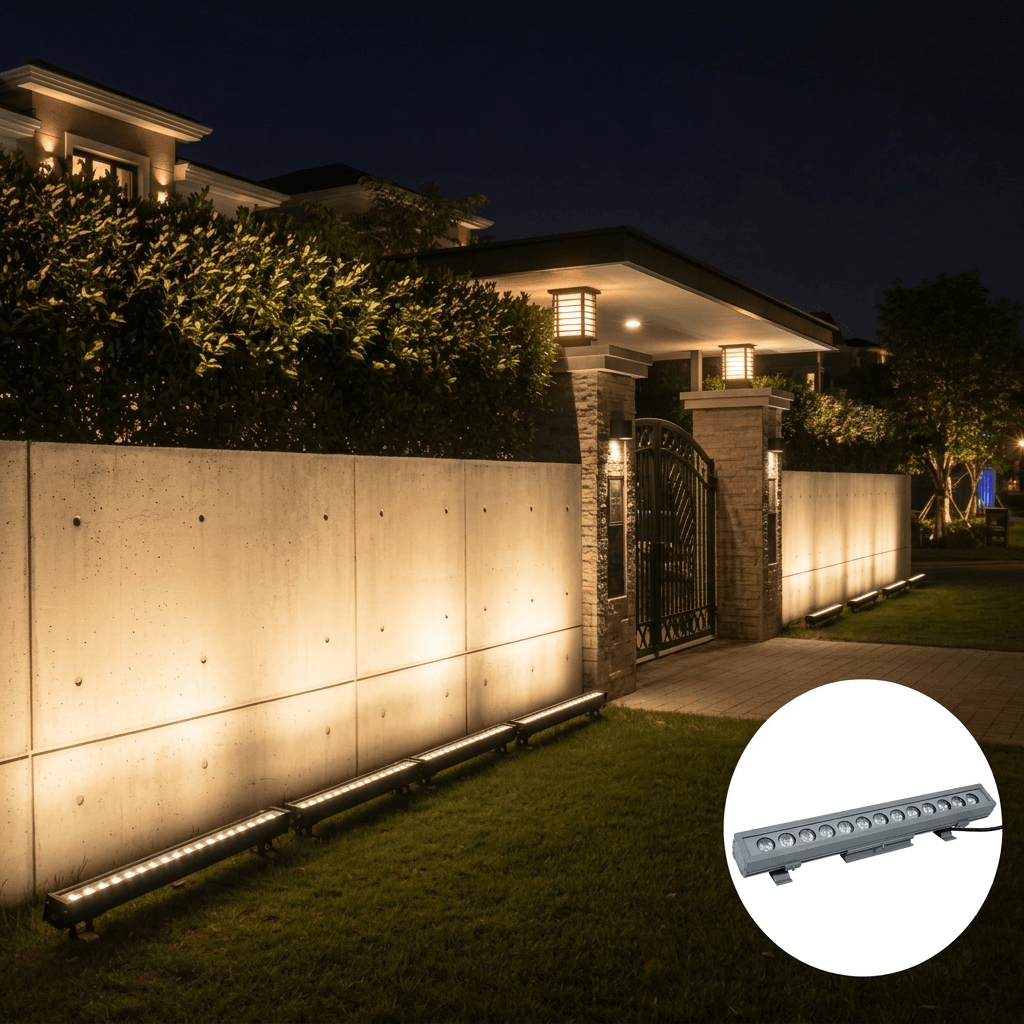
18W Wall Washer Light - Warm White - 0.5 Meter
Warm facade lighting at the gate, cool functional light on roads and turning areas.
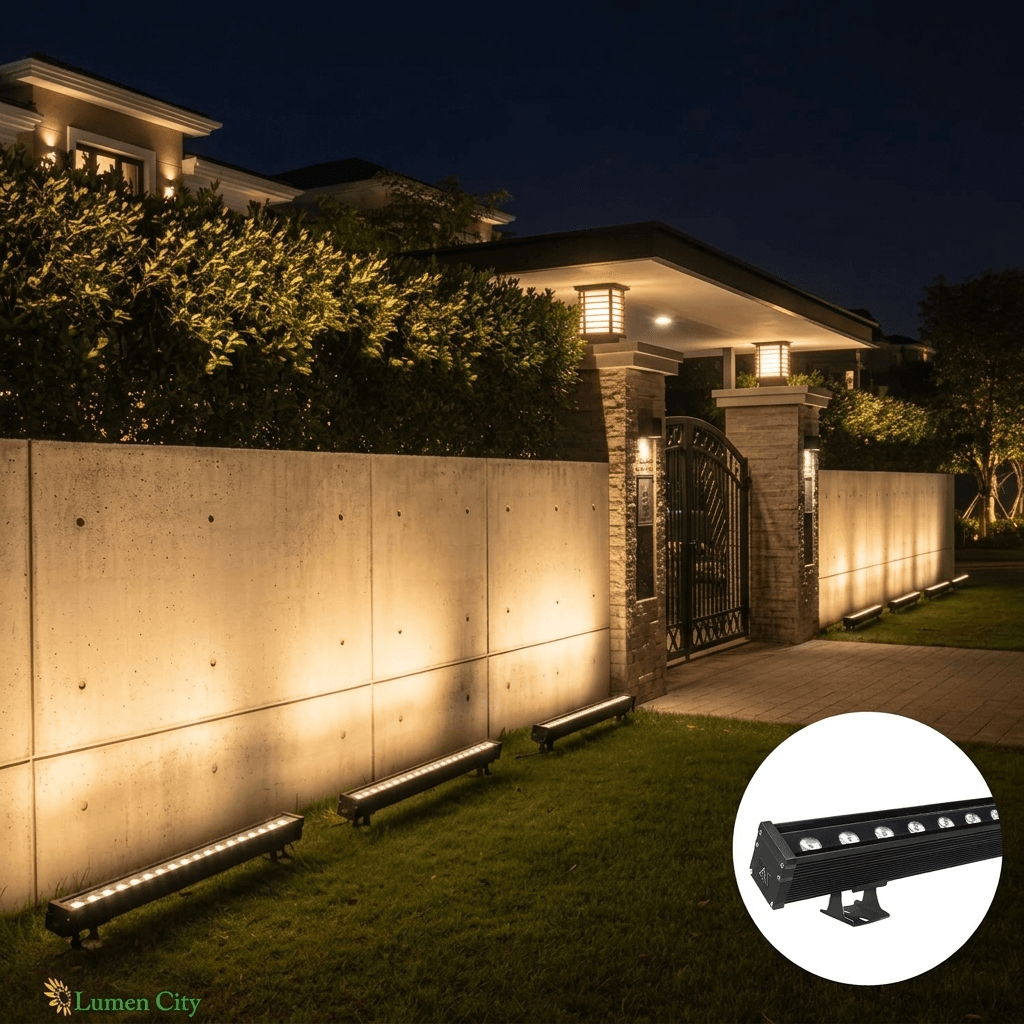
36W Wall Washer Light - Warm White - 1 Meter
Warm facade lighting at the gate, cool functional light on roads and turning areas.
100W - IP65 Rating - 12000 Lumens - Cool White - Slim Flood Light
Warm facade lighting at the gate, cool functional light on roads and turning areas.
Clubhouse & common halls
Bright, efficient common-area lighting for shops, halls and facility rooms.
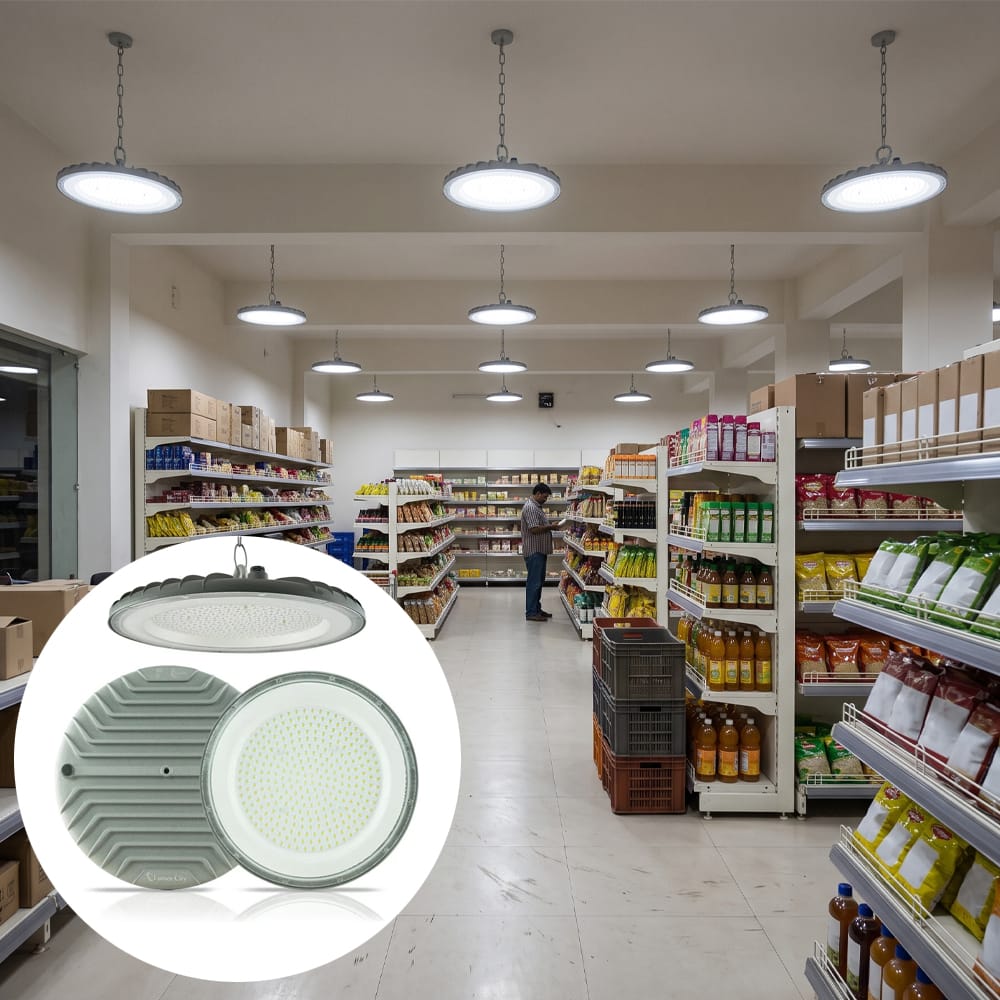
100W Slim UFO High Bay Light - 10000lm - Only 660g - 120° - Cool White
Slim high bay and wall fixtures suit clubhouse halls, service areas and indoor-outdoor common spaces.
100W - IP65 Rating - 12000 Lumens - Cool White - Slim Flood Light
Slim high bay and wall fixtures suit clubhouse halls, service areas and indoor-outdoor common spaces.
6W Outdoor Wall Light - 2 Way - 145x80mm
Slim high bay and wall fixtures suit clubhouse halls, service areas and indoor-outdoor common spaces.
6 Lens Up Down Wall Light - 3+3 Beam - 180mm
Slim high bay and wall fixtures suit clubhouse halls, service areas and indoor-outdoor common spaces.
Lighting upgrades for societies and campuses
Practical lighting products for internal roads, parking, common areas and entrances.
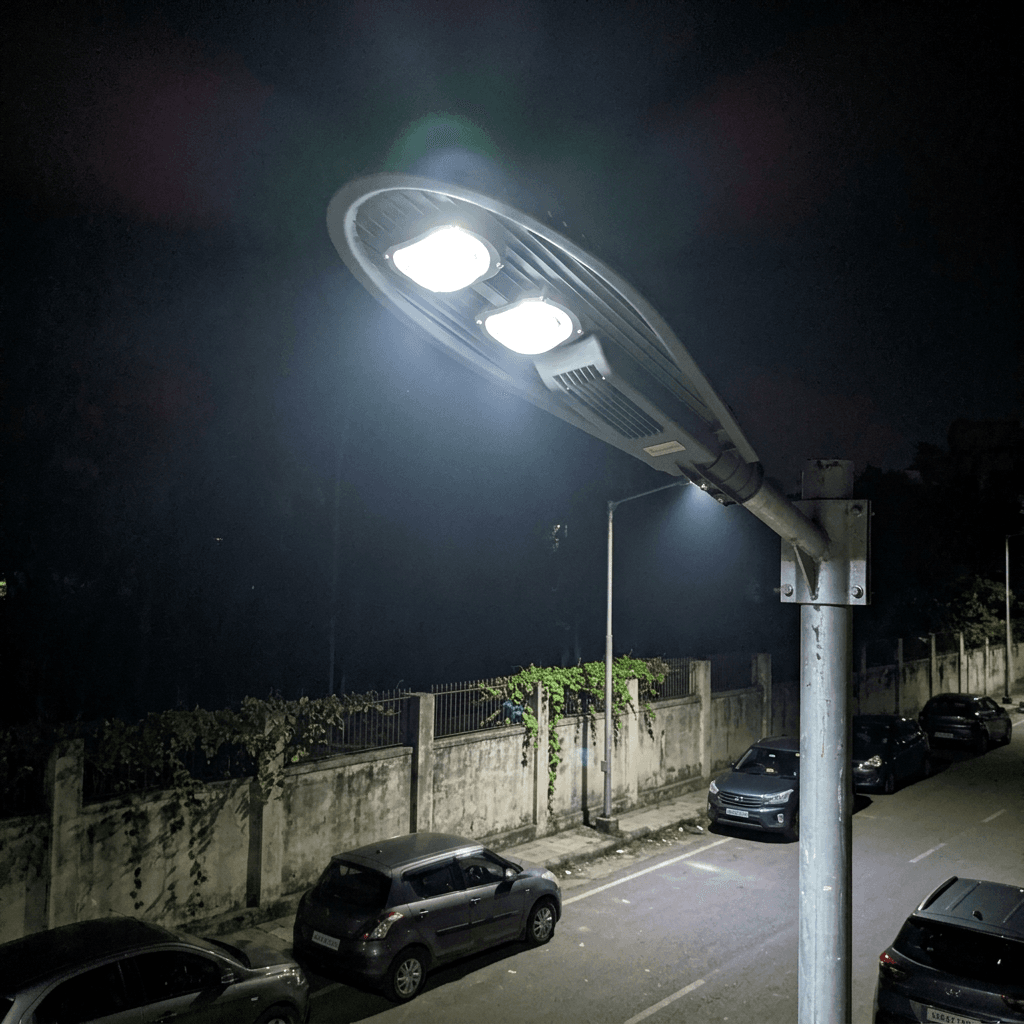
“The 100W street lights made the internal road brighter and easier to justify in the GBM.”
RWA SecretaryNoida apartment campus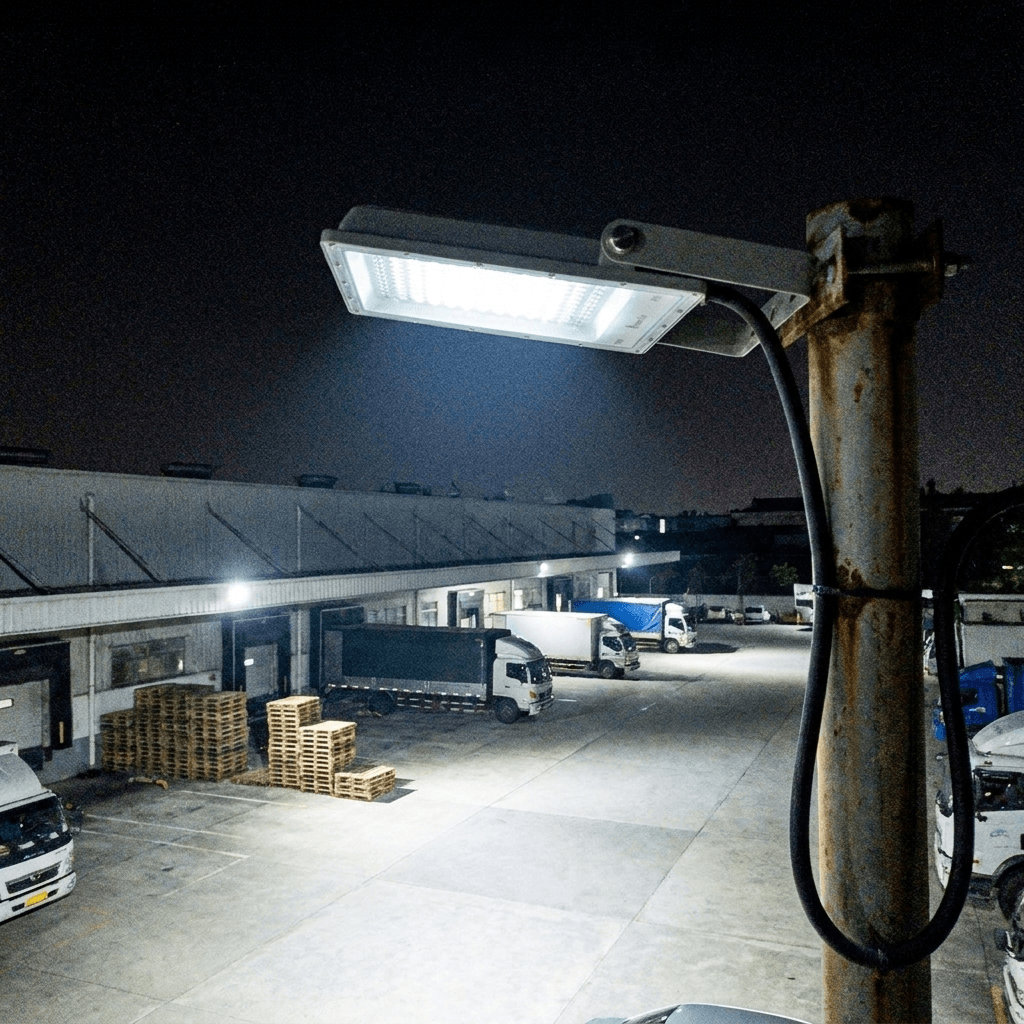
“The parking flood lights removed the dark stretches near the boundary wall.”
Facility ManagerGurugram society parking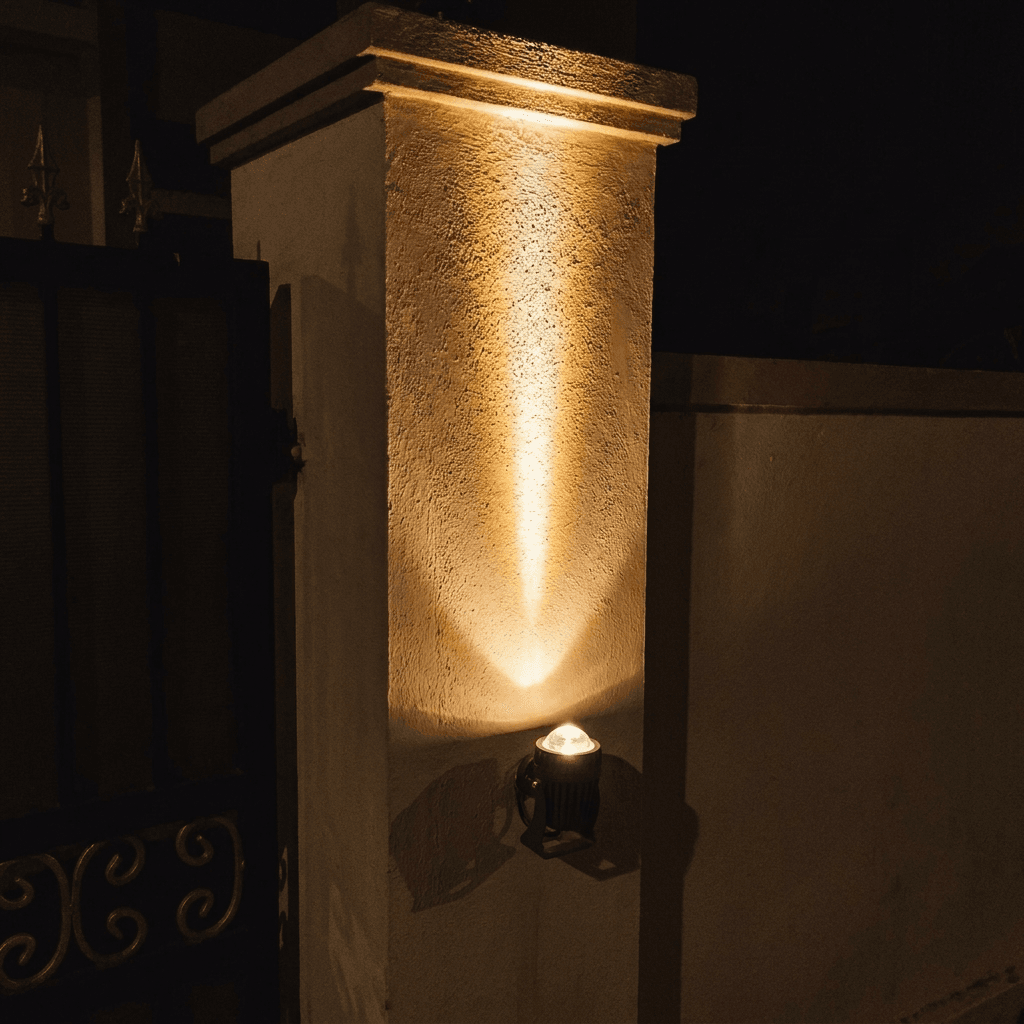
“Column lights gave the gate a premium look without increasing road glare.”
Builder Project TeamDelhi entrance gate
“Step and wall lights improved daily movement in the common areas.”
Maintenance HeadGhaziabad staircase blockLumencity in the press
Coverage across energy, solar and national media for Lumencity's lighting work.
 Mercom India
 The Hindu
 Saur Energy
 EQ Magazine
 DD News
How to Plan Lighting for a Society or Apartment Campus
Use wattage, pole spacing and circuit planning to make a lighting proposal that is easy for an RWA to approve.
1. The five areas of a society campus
The job --- Vehicle and pedestrian safety Finding cars, preventing damage and theft The highest-accident area on any campus Daily use, emergency egress First impression, security perimeter Areas 1 and 3 are safety-critical. Area 5 is what residents actually notice and comment on. A proposal that covers the roads but leaves the gate looking shabby gets less support at the general body meeting than one that does both - worth knowing when you write it.
2. Internal roads - wattage by pole height
Society roads are specified by pole height and road width, not by area. Road type Lumens | --- ---| Footpath, narrow lane, gate area 3,000 lm | Parking row, service lane 5,000 lm | Main internal road (4-7 m wide) 10,000 lm | Approach road, wide main drive 15,000 lm | Most societies sit on 6-7 m poles, which puts the 100W at the centre of nearly every quotation. Pole spacing: three to four times the mounting height. A 6 m pole covers 18-24 m of spacing; a 4 m pole covers 12-16 m.
3. Slim or standard - the decision that decides your budget
We sell two 100W street lights at very different prices, and for a society the difference is worth understanding properly. 100W Slim (₹1,999) - compact, lightweight, 50 mm pole. Right for parking rows, service lanes, footpath poles and campus paths. Where you have twenty poles to cover and the fixtures run moderate hours, this is where the budget goes furthest.
4. Open parking
Parking is where residents judge the lighting, because it's where they walk at night carrying things. - 50W flood (6,000 lm) for a small parking bay or a covered stilt area. - 100W flood (12,000 lm) for open parking, one every 10-12 m along the boundary or on poles. - Mount at 10-12 feet minimum, angled 30° downward. Lower than that and you get glare in drivers' eyes and light thrown into ground-floor flats - which generates complaints that outlast the installation. - Overlap the beams so each fixture's edge reaches the next one's centre. A parking area with dark patches between fixtures is where cars get scraped and residents complain about safety. Point the light inward and downward.
5. Basement, ramps and stilts
This is the highest-accident area in any residential campus and the one most often under-lit. Ramps need continuous coverage, not spot lighting. The transition from bright daylight to a dark ramp mouth is what causes accidents - a driver's eyes take time to adapt. Light the ramp entrance more brightly than the ramp interior, and keep the interior lit continuously rather than in pools.
6. Staircases, corridors and common areas
Small fixtures, high visibility. Residents use these every single day, so a shabby staircase light gets noticed far more than a road light does. - Recessed step lights, 3W square or 6W rectangular, glare-shielded so light lands on the tread. One per landing minimum, more on longer flights. - Up-down wall lights, 2W to 6W, along corridors and at flat entrances. These do decorative work as much as functional - they're what makes a corridor feel maintained. - 4-way and 6-lens wall lights for lobby areas and entrance halls where you want a designed look.
7. Entrance gate and boundary
The gate is the society's face. It is also, in practice, what decides whether the general body approves the next lighting proposal. - Column lights, 10W with a 7° narrow beam, at the base of each gate pillar. Tight vertical shaft up the stonework - the highest-impact fixture per rupee on the whole campus. - Wall washers on the entrance wall or society name board, grazing upward. Warm white. - 100W flood covering the gate turning area and guard post. - Up-down wall lights at intervals along the boundary wall, giving rhythm and marking the perimeter without floodlighting the neighbours.
8. Control - what an RWA should actually install
Nobody in a society wants a daily switching job, and the guard has enough to do. - Day/night photocell sensor on the road and boundary circuits. Switches at dusk and dawn automatically, adjusts through the year, and needs no intervention. This is the default. - One sensor controls an entire circuit - you do not need one per pole. This surprises most committees and it materially changes the quotation. - Digital timer where you want a partial shutdown, for example dropping alternate road poles after midnight to cut consumption.
9. The numbers for your proposal
This is the section to lift into the general body presentation. Consumption comparison, per fixture, per year (12 hours a night, 365 days): New LED --- 100W LED (10,000 lm) 150W LED (15,000 lm) 200W LED (24,000 lm) At ₹8 per unit, a society replacing thirty 150W sodium street lights with 100W LED saves roughly 6,570 units a year - about ₹52,000 annually, against a fixture cost of roughly ₹60,000 for the Slim or ₹1.2 lakh for the standard model. Payback lands between fourteen months and just over two years, before counting maintenance. Add the maintenance saving.
10. Buying as an RWA or builder
- Get a layout before you quote it to the members. Send road lengths, pole positions, pole heights and parking dimensions, and we'll return fixture counts and spacing so the proposal has real numbers in it. - Order 5% spare. Installation damage happens, and matching a colour temperature batch two years later is visibly imperfect. - GST invoicing on every order - necessary for the society's accounts and for any AMC claim later. - Bulk pricing applies at project quantity, which almost every society job is. - Phase it if the budget requires. Roads and basement first (safety), gate and staircases second (visible), parking and boundary third.
Society & Apartment Lighting FAQ
Answers for RWA members, builders and facility teams planning a campus upgrade.
For the 6-7 m poles most societies use, a 100W LED street light at 10,000 lumens is the standard specification. Use 50W on 4-5 m poles along parking rows and service lanes, and 150W on wider approach roads with 8-9 m poles. Pole height and road width decide the wattage, not the area.
Three to four times the mounting height. A 6 m pole spaces at 18 to 24 m, a 4 m pole at 12 to 16 m. Use the closer end of the range at curves, speed breakers, pedestrian crossings, and anywhere mature trees have grown into the beam - which in an older society is most places.
It depends on road length, pole height and layout rather than on the number of flats. Send us the road lengths, existing pole positions and pole heights and we'll return a fixture count and spacing plan - which is the number an RWA needs to put in a proposal, not an estimate.
Both give 10,000 lumens. The Slim is lightweight on a 50 mm pole and suits parking rows, service lanes and footpath poles where budget per pole matters. The standard model has more heat sink area on a 60 mm pole and runs cooler over long nightly hours - better on main internal roads, where replacing a failed fixture means arranging a ladder and an electrician.
Replacing a 150W sodium vapour street light with a 100W LED saves roughly 219 units per fixture per year at 12 hours a night. Across thirty poles that's about 6,570 units - roughly ₹52,000 a year at ₹8 per unit. Payback typically falls between fourteen months and two years, before counting the maintenance saved on lamp replacement.
With a day/night photocell sensor, yes - it switches at dusk and dawn automatically and adjusts through the year, so nobody has a daily switching job. Importantly, one sensor controls an entire circuit rather than one per pole, which changes the cost of the proposal significantly.
100W flood lights (12,000 lumens) one every 10 to 12 m for open parking, or 50W for a small bay or covered stilt area. Mount at 10 to 12 feet minimum, angled 30° downward, and overlap the beams so there are no dark patches between fixtures. Aim inward so light doesn't enter ground-floor flats.
50W or 100W flood lights, wall-mounted, spaced for even coverage rather than bright pools. Light the ramp mouth more brightly than the ramp interior, because the eye needs time to adapt on entry. Run at least a partial circuit 24 hours - a basement is dark at noon, so day/night sensors are the wrong control here.
Almost always mounting height and aim. A flood or street light mounted too low, or angled outward rather than downward, throws light into ground-floor and first-floor windows. Mount at 10 to 12 feet minimum, angle roughly 30° down, and aim inward across the campus. It's far easier to get right at installation than to fix after complaints start.
Recessed glare-shielded step lights - 3W square or 6W rectangular - with at least one per landing, plus 2W to 6W up-down wall lights along corridors and at flat entrances. These are low-wattage fixtures on long hours, so consumption is negligible while the visible improvement is large.
Cool white (6500K) on roads, parking and basements, where visibility and contrast matter. Warm white (3000K) at the entrance gate, boundary wall and lobby, where the job is presentation. Keep them on separate circuits and avoid mixing the two within a single sightline.
Yes - the specification is identical for gated communities, institutional campuses, hostels, office campuses and industrial townships. The zones are the same: internal roads, parking, basements, pedestrian areas and a boundary. Only the scale changes.
Yes, IP65 throughout - fully dust-tight and protected against water jets from any direction. That's the correct rating for pole and wall mounting, where a fixture sheds water downward and is never submerged. It also matters in basements, which are damp, flood in monsoon and get pressure-washed.
Yes. Society jobs are almost always project quantity and we quote at bulk pricing with GST invoicing, which the society's accounts and any later AMC claim will need. Send road lengths, pole positions and parking dimensions and we'll return a layout with fixture counts.
Yes, and a phased proposal usually passes the general body more easily than a single large one. The sequence that works: roads and basement first for safety, gate and staircases second because residents see them daily, parking and boundary third. Order the same models across phases so the campus doesn't end up mismatched.
Two years' warranty across the range, BIS certified and government empanelled, manufactured in Delhi and shipped PAN India. Keep the GST invoice as the warranty reference - for a society, file it with the AMC papers rather than with the individual who placed the order. ---
Read the latest lighting guides
Buying advice, project notes and category explainers from Lumencity.