
High Bay Lights for Warehouses, Factories & Godowns
Choose reflector, slim UFO and Pro high bays by ceiling height, beam angle and duty cycle.
Shop Outdoor Lights
Street · High Bay · Stadium Flood · Facade Landscape
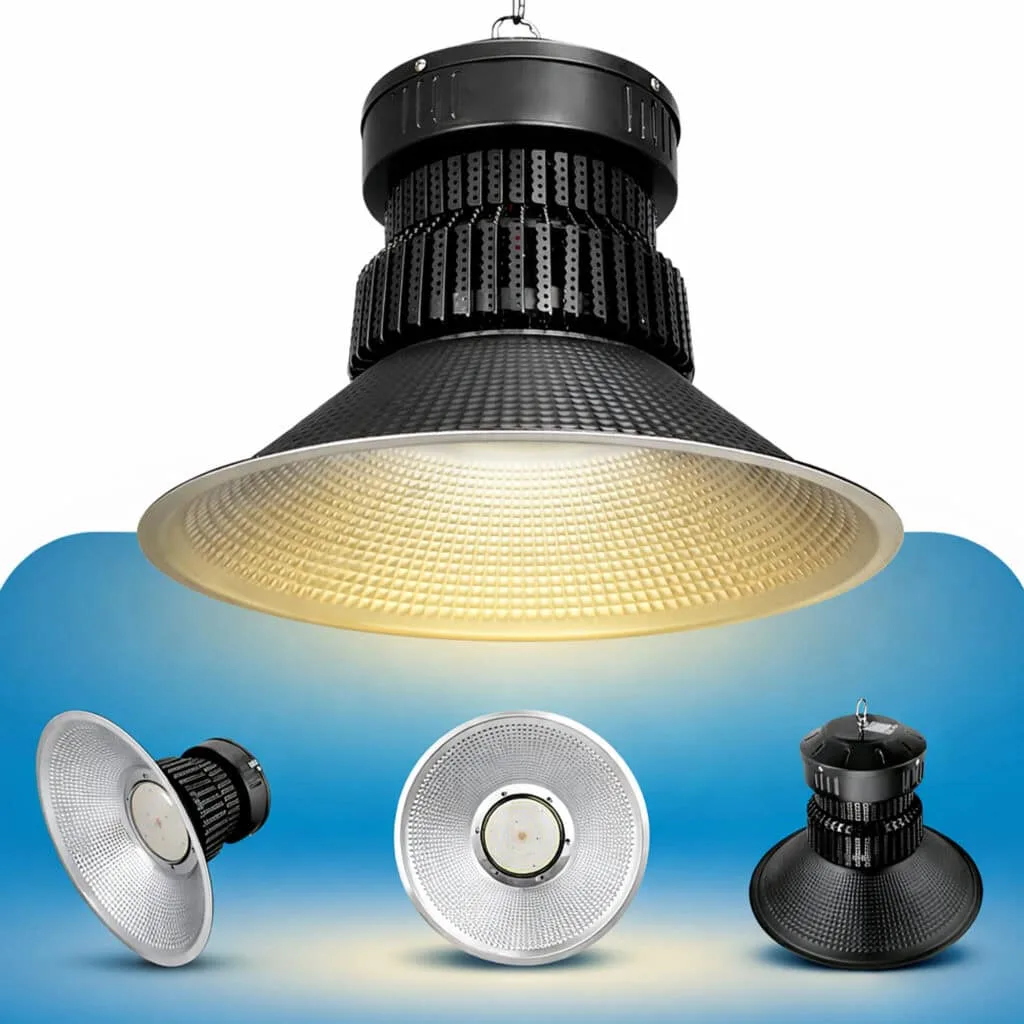
High Bay Warehouse Lights
All in-stock products from the Lumencity outdoor catalogue for this category.
Slim UFO high bay lights
Lightweight cool-white high bays for shops, parking, low roofs and quick installations.
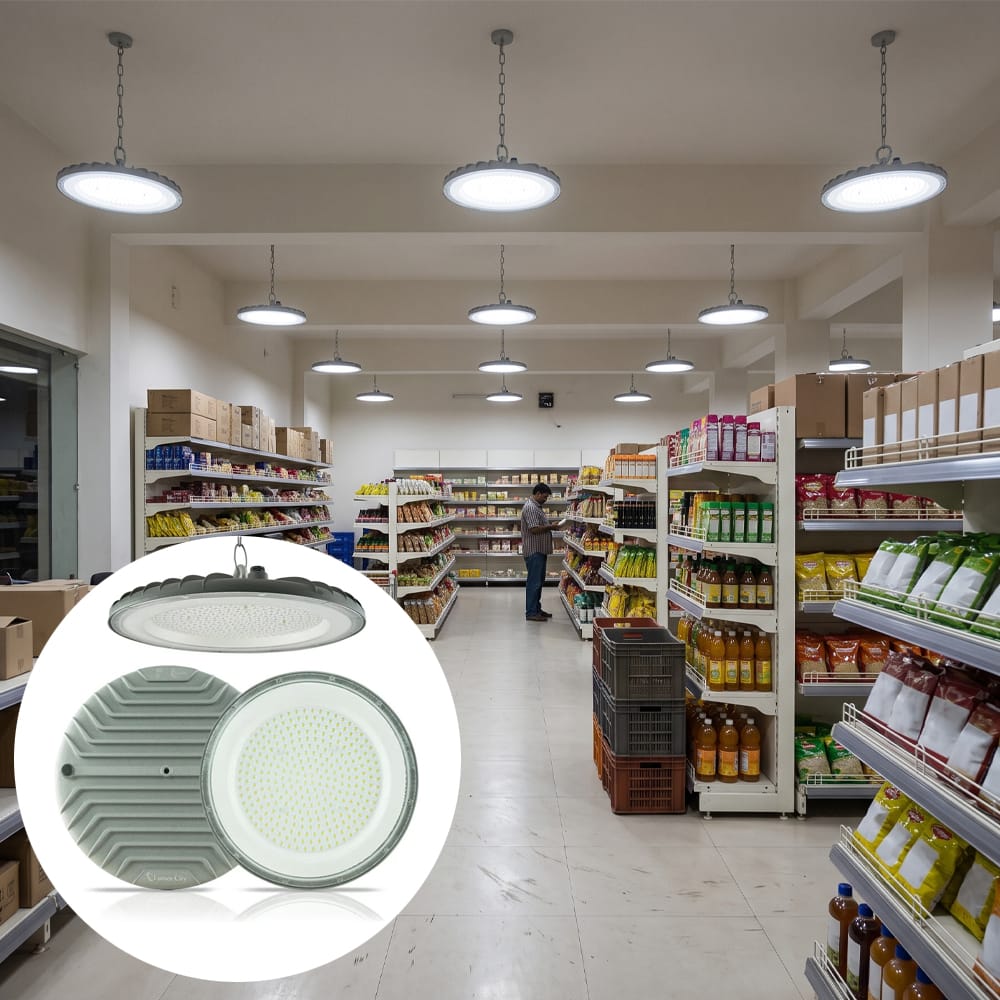
100W Slim UFO High Bay Light
100W outdoor lighting fixture for Lumencity project and retail buyers.
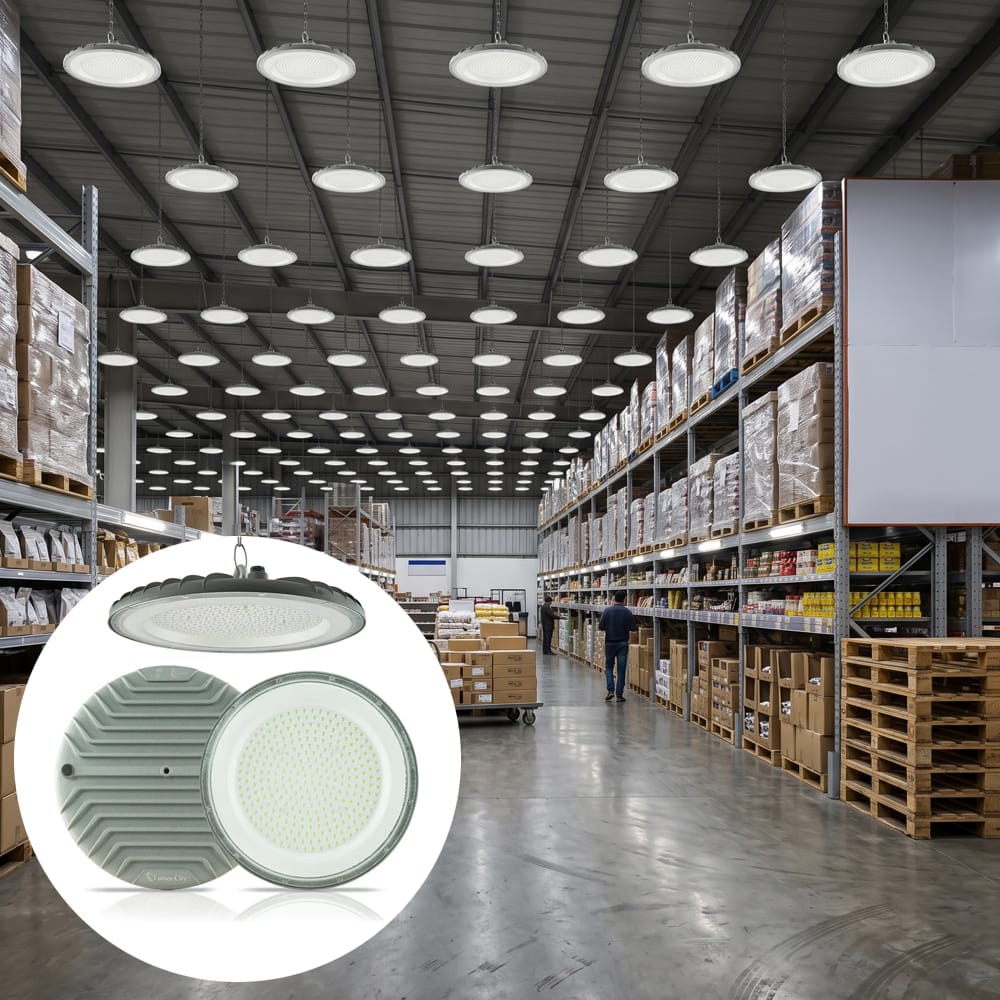
150W Slim UFO High Bay Light
150W outdoor lighting fixture for Lumencity project and retail buyers.
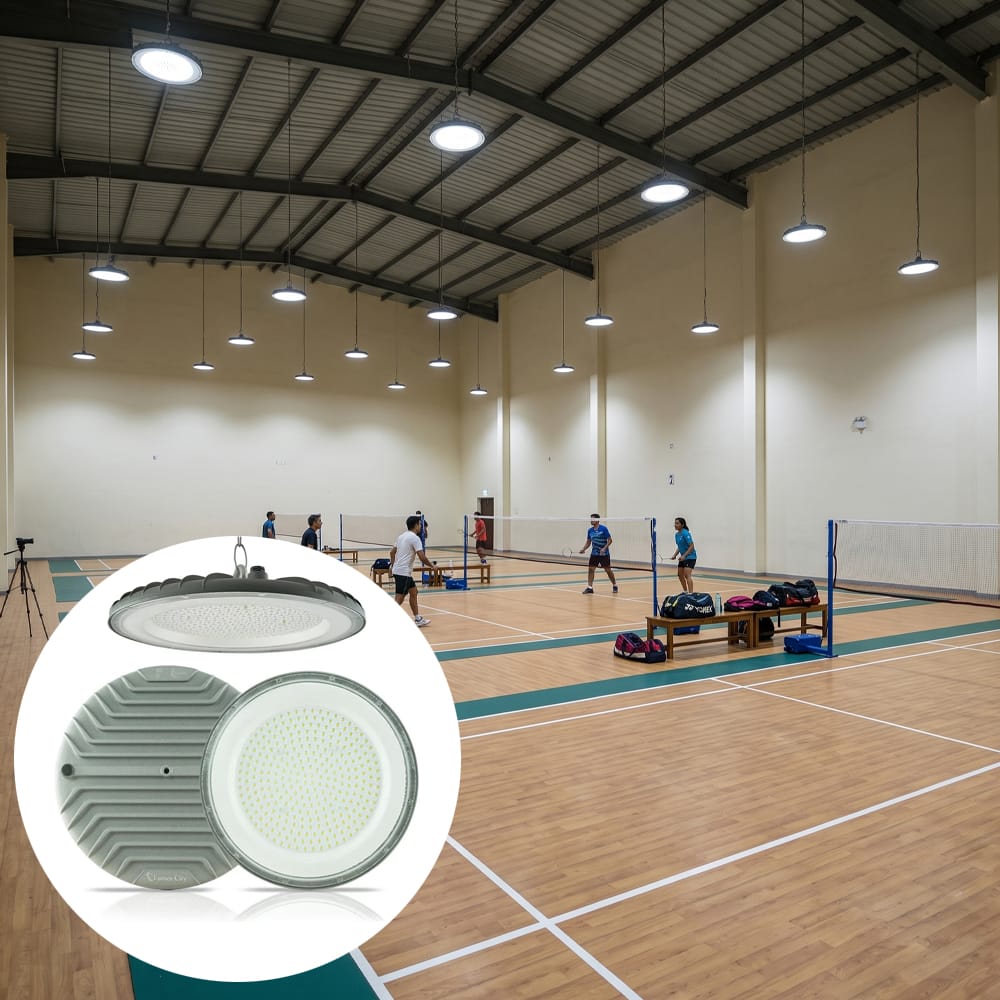
200W Slim UFO High Bay Light
200W outdoor lighting fixture for Lumencity project and retail buyers.
UFO Pro high bay lights
Heavy-duty round high bays for factories, warehouses and hotter sheds that run longer hours.
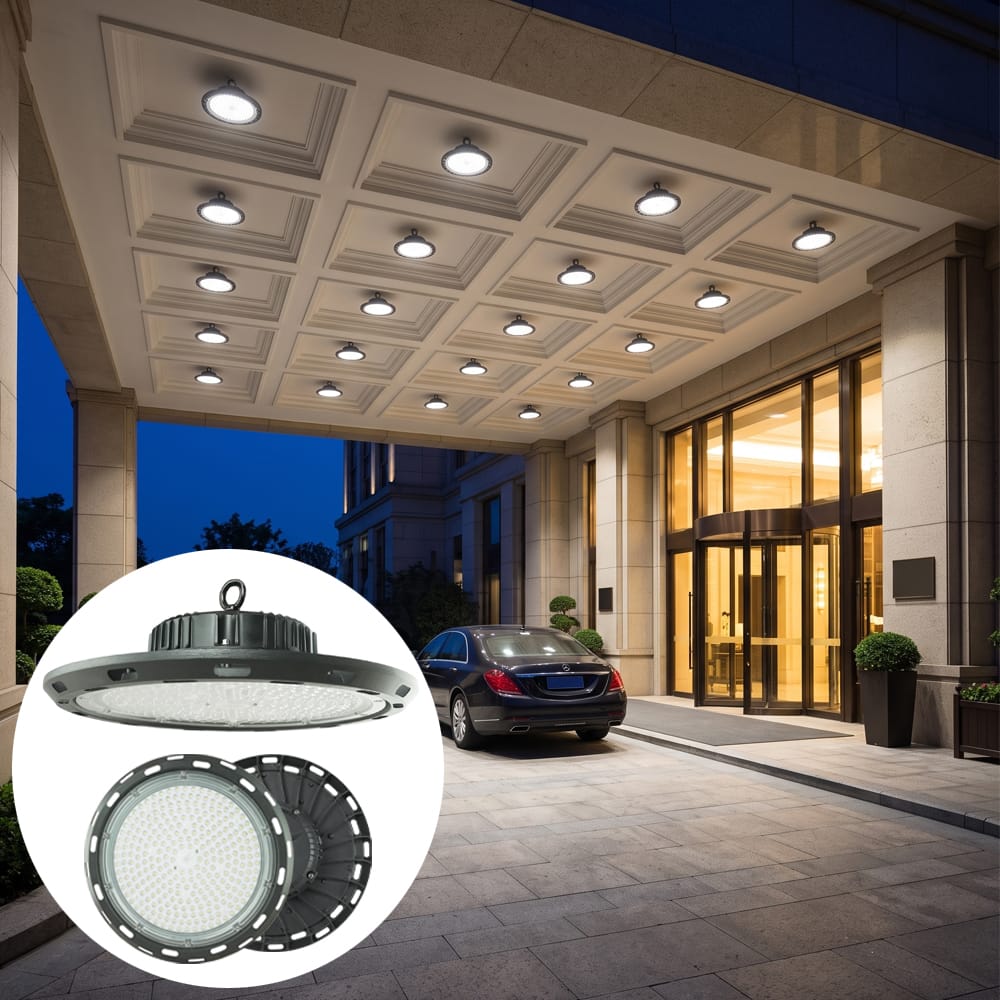
100W UFO High Bay Light - Pro
100W outdoor lighting fixture for Lumencity project and retail buyers.
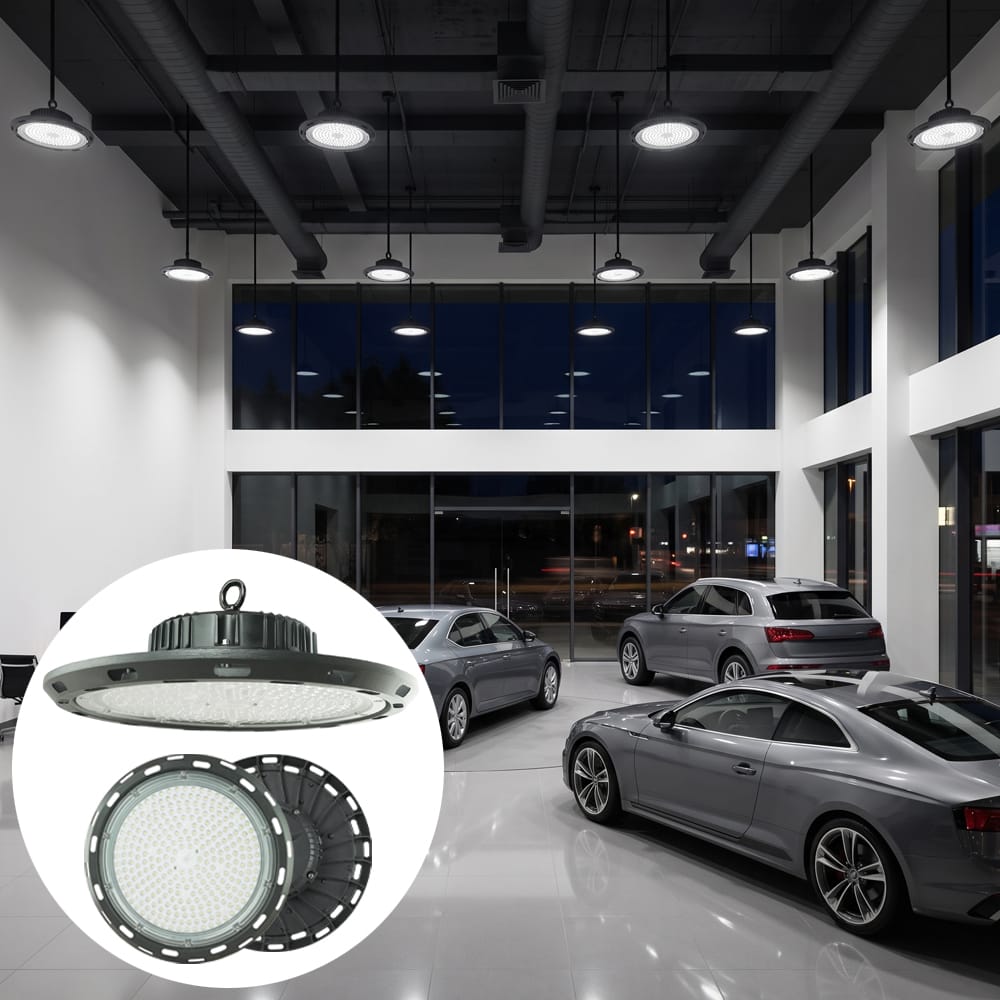
150W UFO High Bay Light - Pro
150W outdoor lighting fixture for Lumencity project and retail buyers.
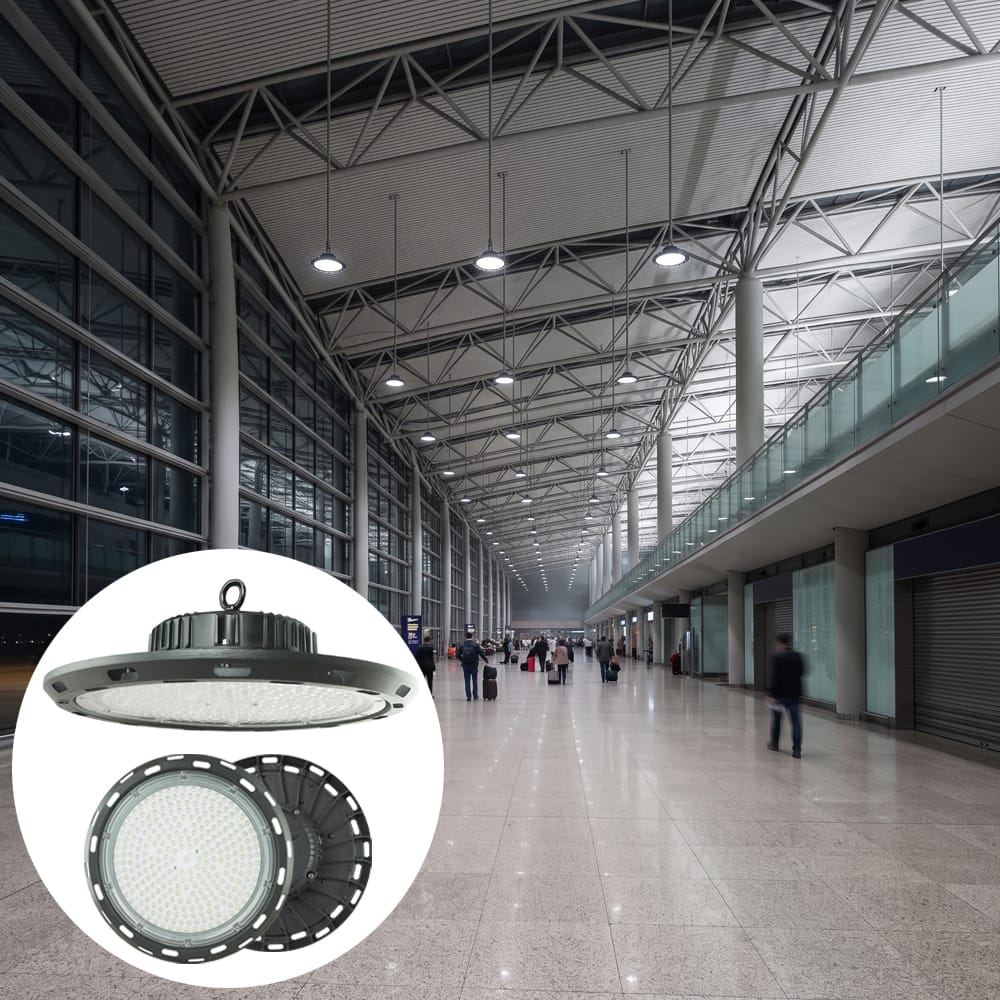
200W UFO High Bay Light - Pro
200W outdoor lighting fixture for Lumencity project and retail buyers.
Reflector high bay lights
Classic reflector body for downward throw in godowns, aisles and truss-mounted industrial lighting.
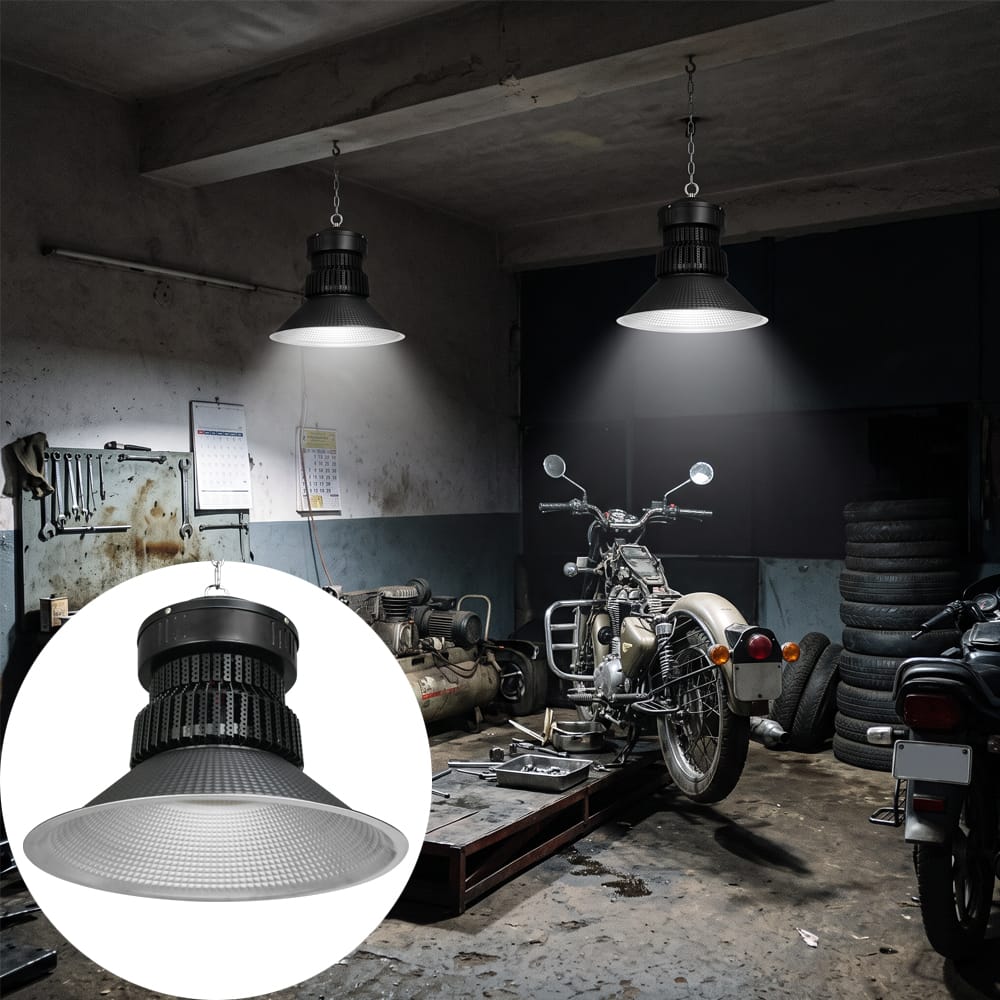
50W Reflector High Bay Light
50W outdoor lighting fixture for Lumencity project and retail buyers.
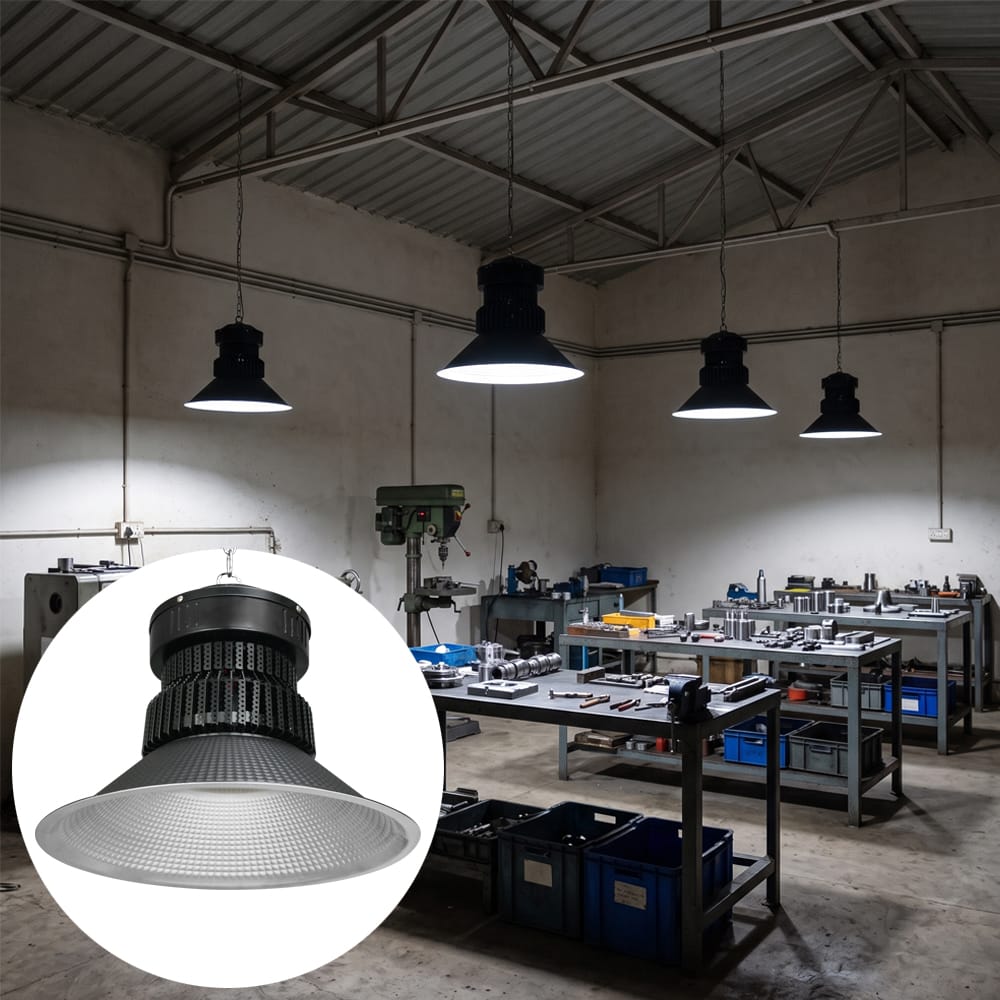
60W Reflector High Bay Light
60W outdoor lighting fixture for Lumencity project and retail buyers.
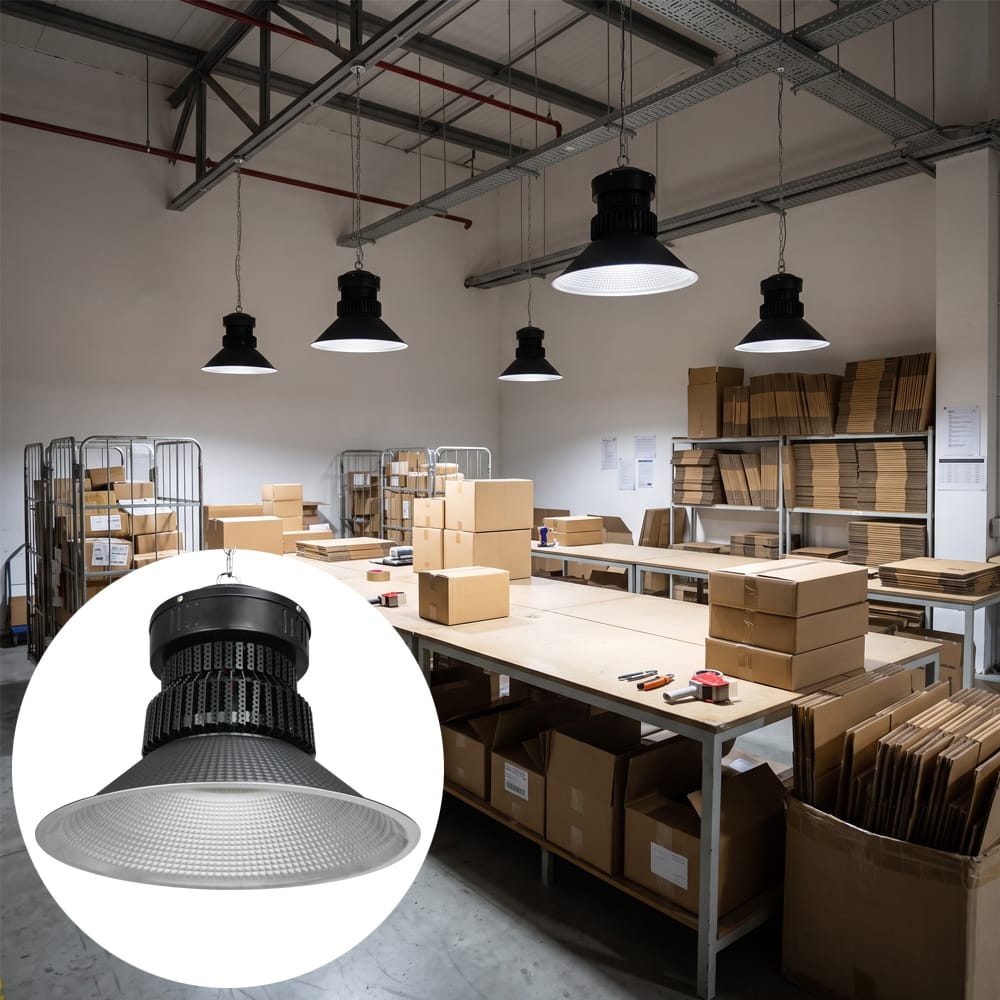
100W Reflector High Bay Light
100W outdoor lighting fixture for Lumencity project and retail buyers.
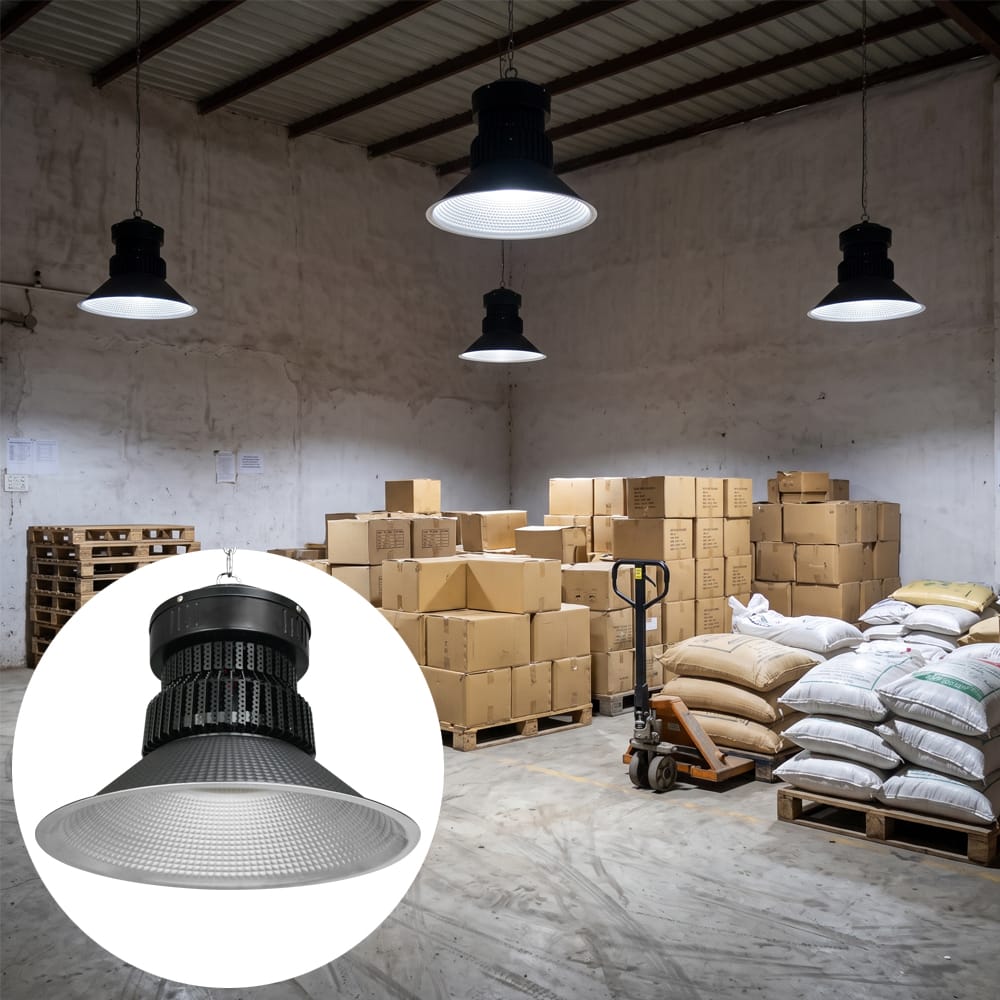
120W Reflector High Bay Light
120W outdoor lighting fixture for Lumencity project and retail buyers.
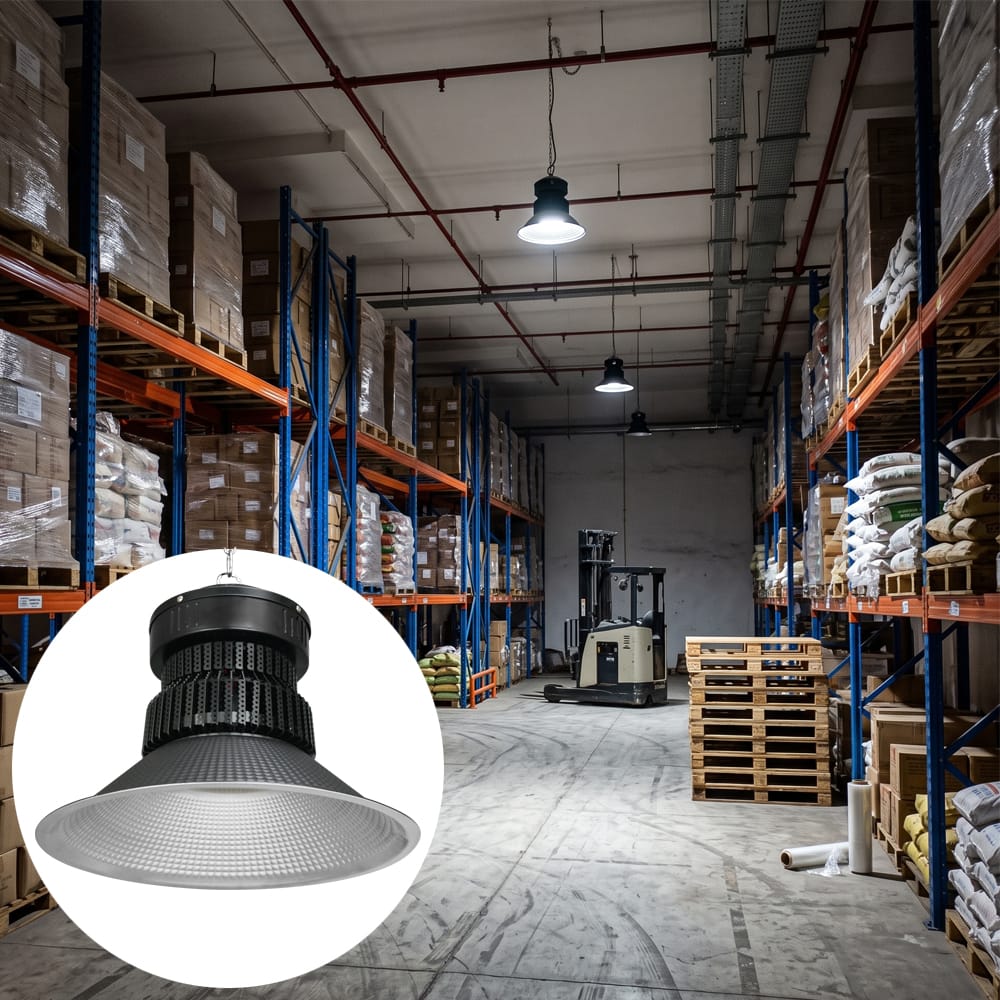
150W Reflector High Bay Light
150W outdoor lighting fixture for Lumencity project and retail buyers.
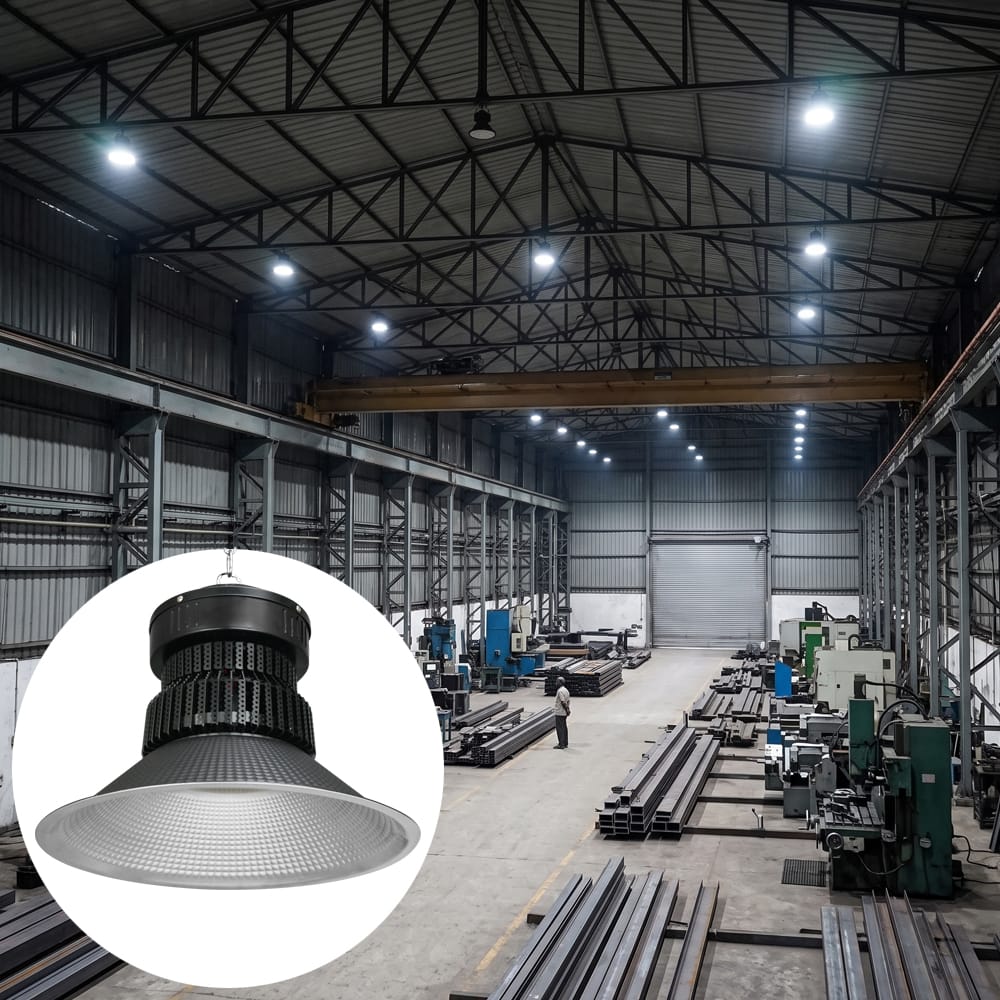
180W Reflector High Bay Light
180W outdoor lighting fixture for Lumencity project and retail buyers.
Plan by installation area
Choose the right outdoor light by where it will be installed, then pick the product category and wattage.
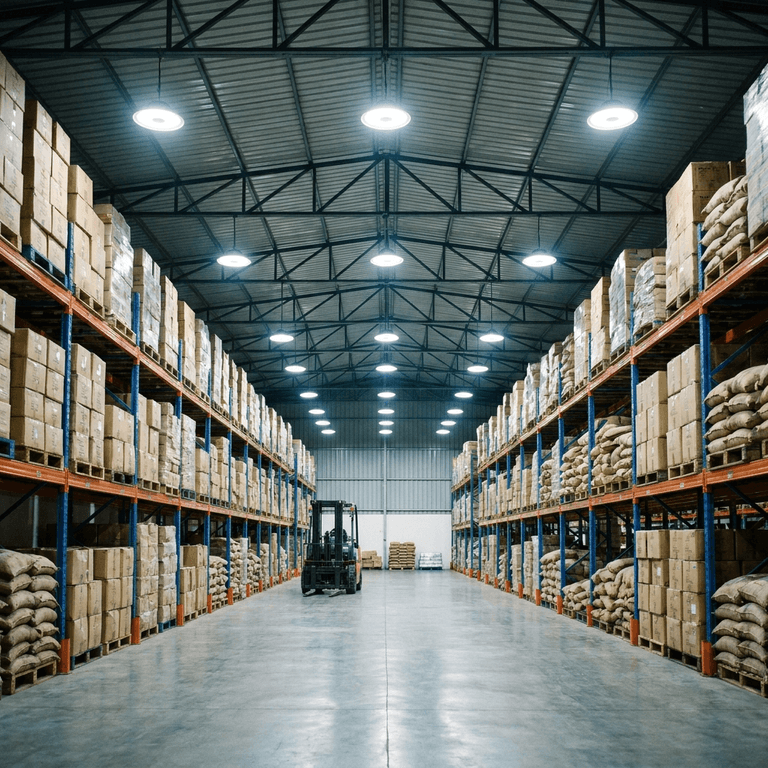
Warehouse, Factory & Godown Lighting
Plan high bays, bay lighting and loading-area coverage for industrial spaces.
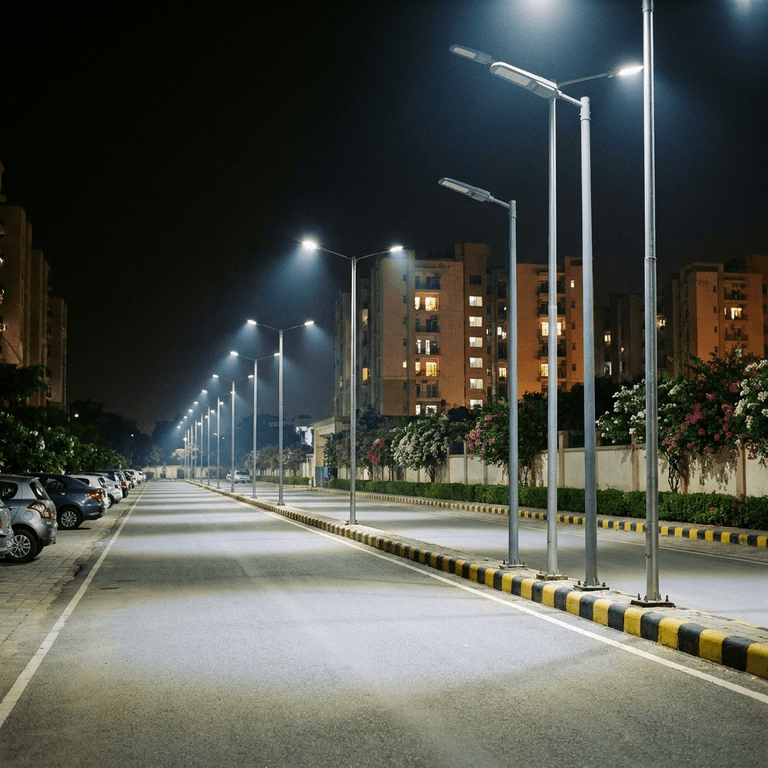
Society & Campus Street Lighting
Light internal roads, parking rows, entry gates and shared campus areas.
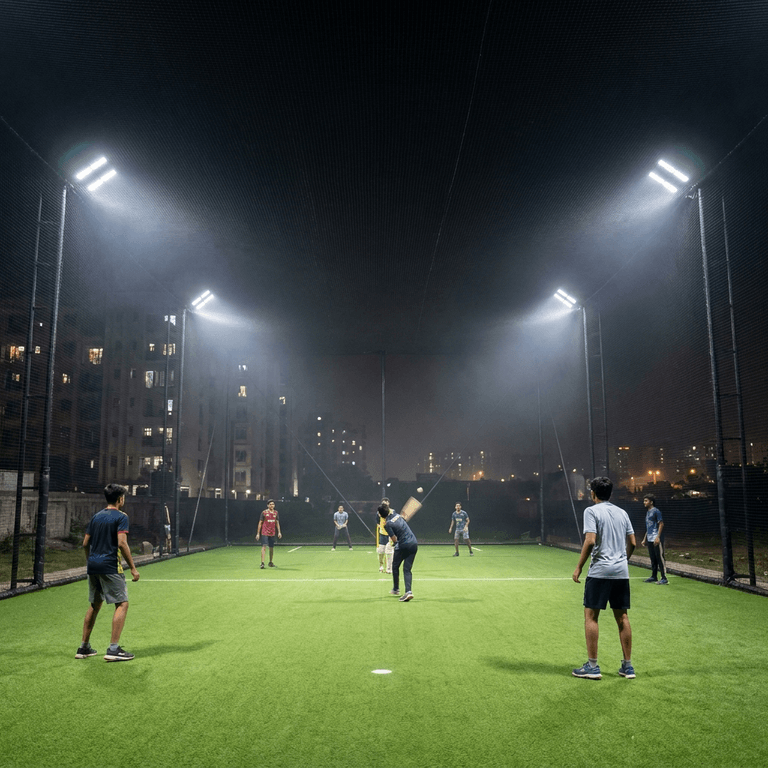
Cricket Ground & Turf Lighting
Choose flood and stadium lights for box cricket, turfs and practice nets.
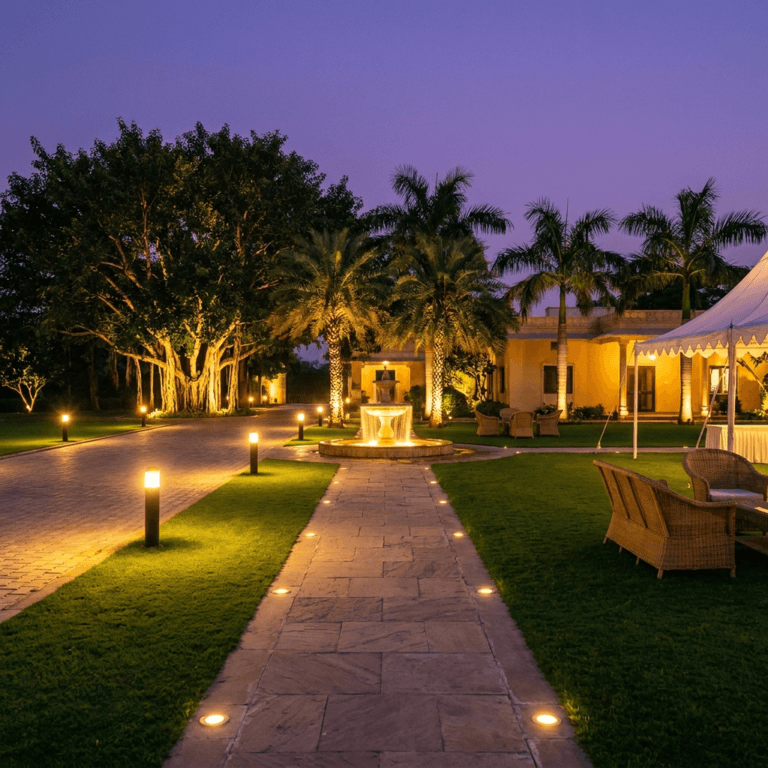
Farmhouse, Resort & Venue Lighting
Layer street, flood, facade and garden lights across larger outdoor properties.
Installed outdoor lighting results
Shuffled review images and buyer notes matched to this category.
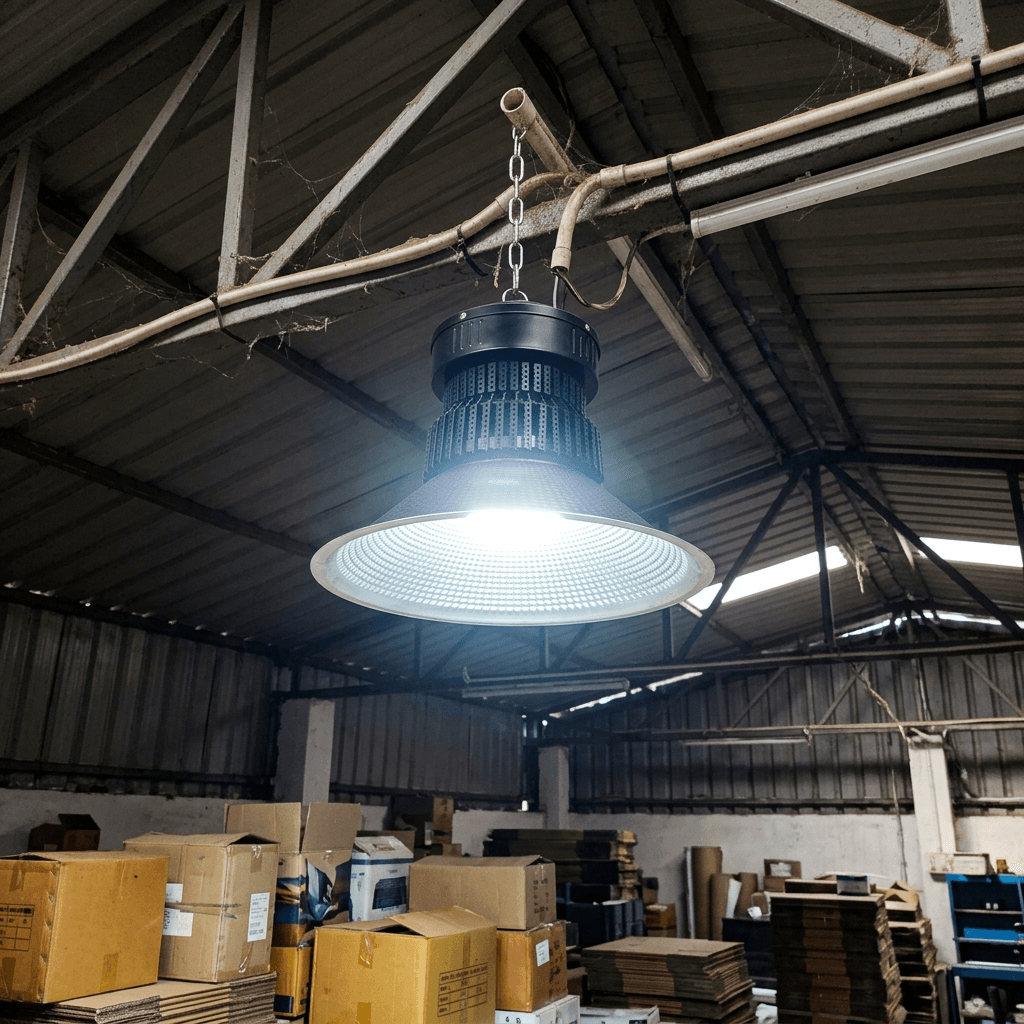
“The reflector high bays focused the light downward and improved the packing floor.”
Factory operations buyerFactory truss lighting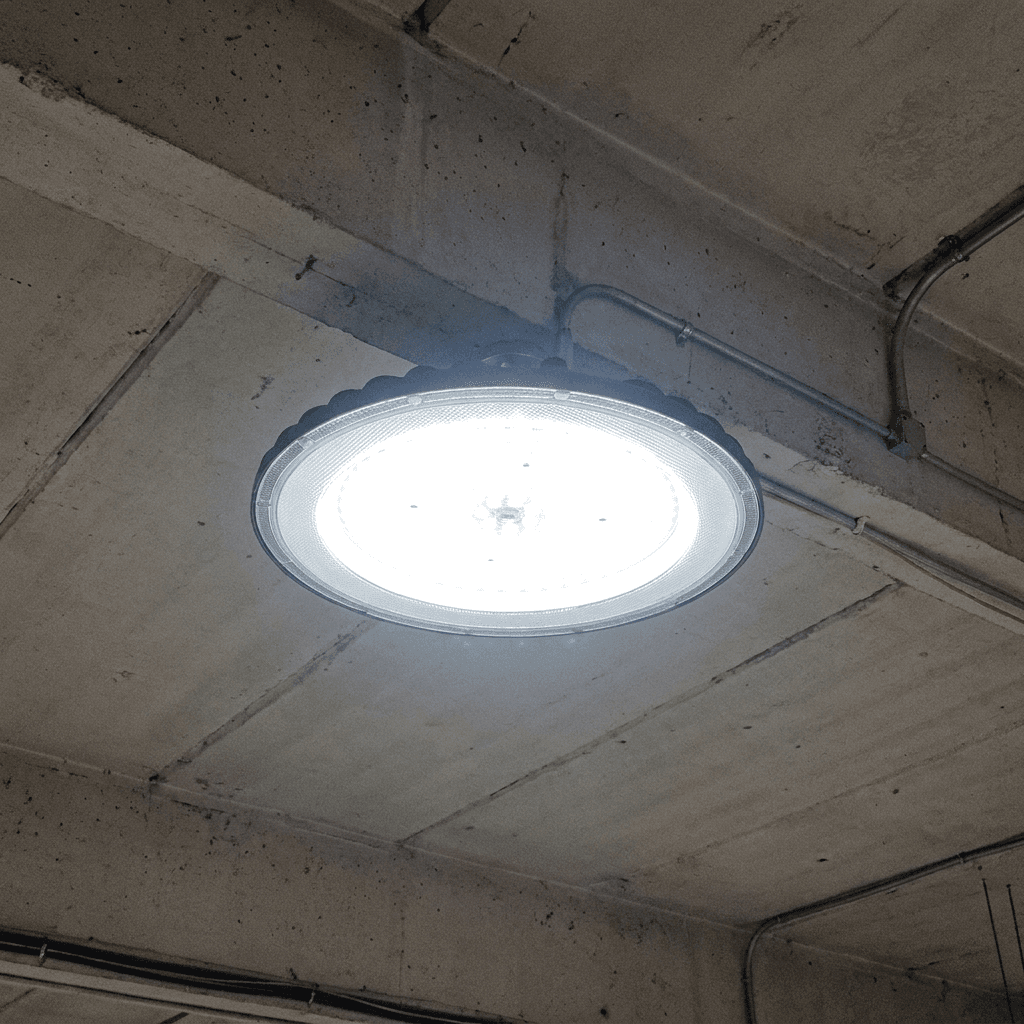
“The slim UFO models were light enough for quick installation.”
Warehouse supervisorLow-roof storage area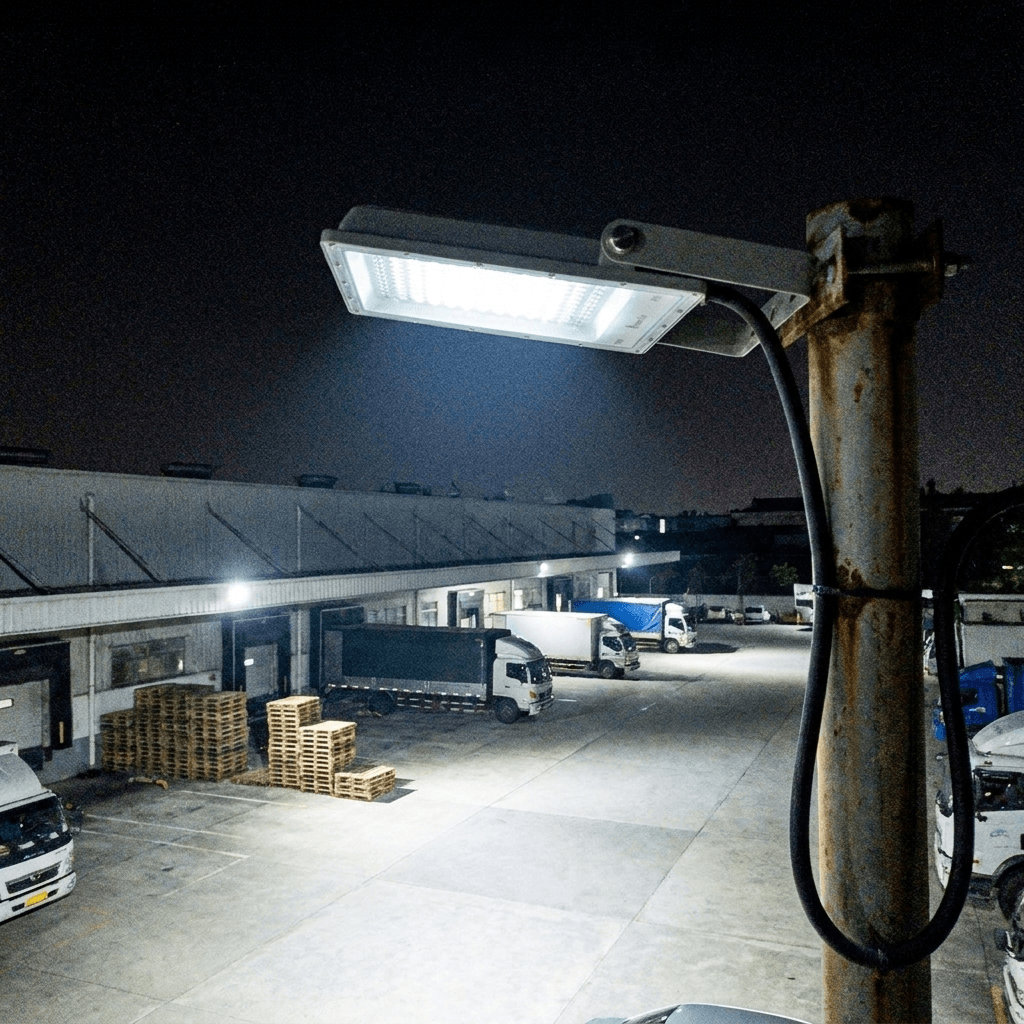
“Lumencity helped us choose high bays for the covered area and floods outside.”
Logistics managerCovered loading area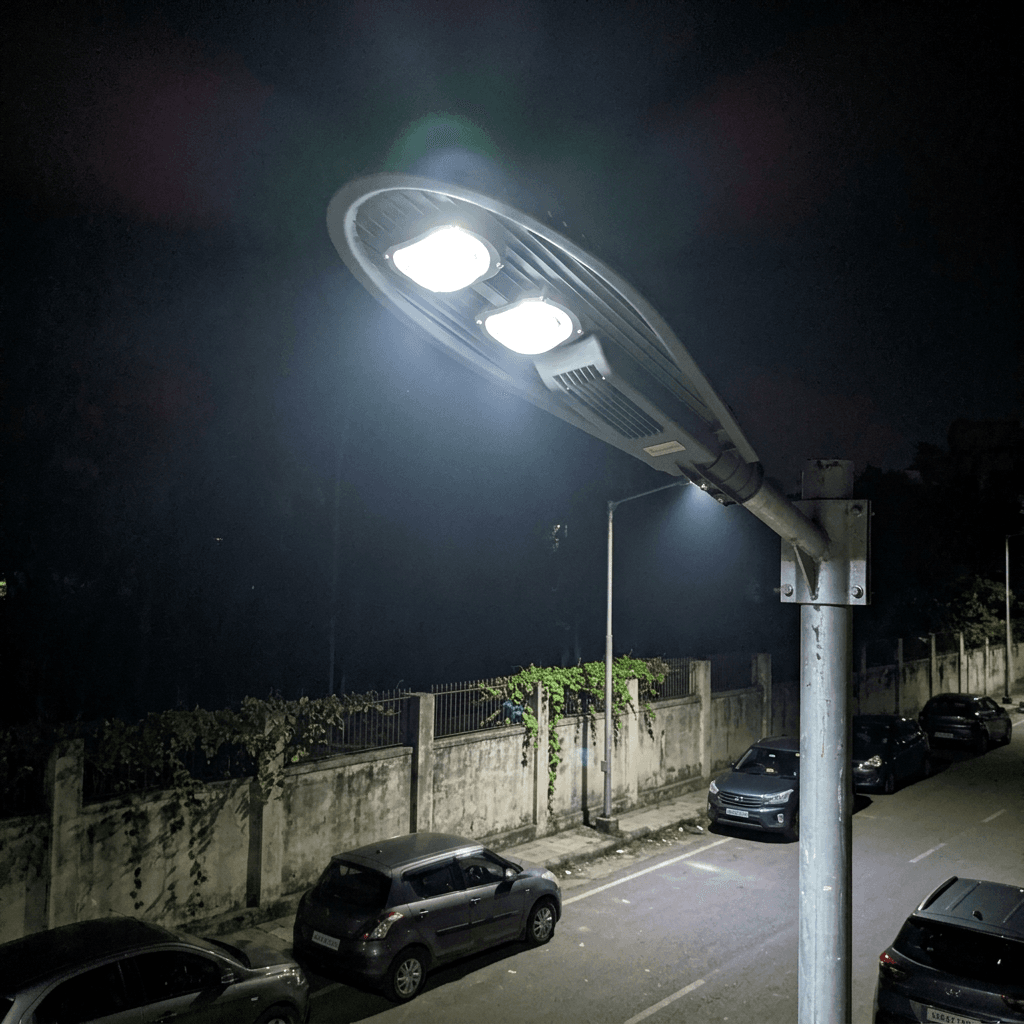
“Good guidance on where high bays end and road lights begin.”
Industrial buyerFactory campusLumencity in the press
Coverage across energy, solar and national media for Lumencity's lighting work.
 Mercom India
 The Hindu
 Saur Energy
 EQ Magazine
 DD News
How to Choose a High Bay Light
High bay selection comes down to two numbers - the height of your ceiling and the width of your aisles - and one choice between three body styles. Most buyers start by asking how many watts per square foot, which is the wrong question: the same floor lit from 6 metres and from 12 metres needs completely different fixtures.
1. Ceiling height sets the wattage
The whole range runs at 100 lumens per watt, so the lumen figure is always wattage x 100. That makes it easy to compare against other quotes - and to spot the ones quoting watts only.
---
2. Beam angle - the spec that decides aisle lighting
This is where most warehouse lighting goes wrong, and it's the reason the 50W and 60W in this range are 90° while everything above is 120°.
**90° narrow beam** concentrates output into a tighter cone. Use it on lower ceilings, and use it wherever you have tall racking with narrow aisles. A wide beam over a narrow aisle lights the top of the racking and the tops of the boxes; a narrow beam gets light down to the floor where people are picking.
3. Three body styles, three jobs
We sell three high bay families at the same wattages, and the difference is construction, not output.
**Reflector High Bay (50W-180W)** - the classic aluminium reflector cone. The 50W and 60W are 90° for lower ceilings; 100W upward are 120°. The traditional choice, and the one most electricians and site supervisors are used to installing.
4. Spacing - closer than most people expect
High bays are spaced at roughly **1 to 1.5 times the mounting height**. A fixture at 8 m sits 8-12 m from the next one. Go wider and you get scalloping: bright pools under each fixture with visibly darker floor between them.
Two adjustments worth making:
5. Mounting and installation
All these fixtures ship with a hook or bracket for suspension from a truss, purlin or beam. Points to settle before the electrician arrives:
- **Suspension height.** Hanging a fixture 1.5 m below a 12 m roof effectively makes it a 10.5 m installation - and improves the light on the floor. Dropping fixtures on chain or rod is usually better than mounting flush to the underside of the roof. - **Cable runs.** Plan the circuit before hanging anything. Retrofitting cable across a truss after fixtures are up is slow work at height. - **Access.** Decide how a fixture will be reached for replacement. If you need a scissor lift and the aisle is full of stock, that's a maintenance problem you've designed in.
6. IP65 - why an indoor light is rated for outdoors
Every fixture here is IP65: fully dust-tight and protected against water jets.
For a light hanging inside a shed, the important digit is the first one. Indian industrial environments are dusty - grinding, cutting, textile lint, cement, grain, packaging fibre. Dust that gets inside a fixture settles on the LED board and the driver, blocks heat dissipation, and cooks the electronics. A dust-tight seal is what keeps a high bay working in year four.
7. What high bays actually cost to run
The arithmetic is worth doing because it's usually the whole business case.
A 400W metal halide fixture replaced by a 150W LED saves 250W. Over 12 hours a day, 300 days a year, that's 900 units per fixture per year. Across 30 fixtures, at ₹8 per unit, that's a little over ₹2 lakh a year - usually more than the cost of the fixtures themselves.
8. Buying for a shed
- **Send us the dimensions.** Length, width, ceiling height, aisle layout and what happens in the space. We'll return a fixture count and layout rather than you estimating. - **Colour temperature** is 6500K cool white across the range, which is correct for work environments. - **Order 5% spare.** Replacing one fixture two years later with a different batch is visible. - **Bulk pricing and GST invoicing** on project quantities.
---
High Bay Warehouse Lights FAQ
Quick answers before choosing the right model.
Up to 5 m use 50W or 60W with a 90° narrow beam. From 5 to 7 m use 100W. From 7 to 8 m use 120W. From 7 to 10 m use 150W. From 10 to 14 m use 180W or 200W. Ceiling height matters far more than floor area.
A high bay points straight down from a ceiling to light a floor, and is designed for mounting between roughly 5 and 14 metres indoors. A flood light points outward at an angle to cover an outdoor area. Flood lights used indoors put glare directly into workers' eyes.
Use 90° for lower ceilings and for tall racking with narrow aisles, where you need light to reach the floor rather than the tops of the racks. Use 120° for open floor areas - production, assembly, packing and showrooms - where even coverage matters more than penetration.
All three give the same lumens at the same wattage. The Reflector is the conventional aluminium cone design. The UFO Pro has a heavier housing with more heat sink area for multi-shift industrial duty in hot sheds. The Slim is dramatically lighter - 660 g at 100W - which matters for light roof structures and single-person installation.
Roughly 1 to 1.5 times the mounting height. Fixtures at 8 m sit 8 to 12 m apart. Wider spacing produces bright pools with visibly darker floor between them. Where you have racking, run a line of fixtures down each aisle rather than a uniform grid across the building.
It depends on ceiling height, aisle layout and the work being done, not on square footage alone. Send us the dimensions, ceiling height and what happens in the space, and we'll return a fixture count and layout.
They can - they're IP65 rated - but they're the wrong shape for it. A high bay throws light straight down in a controlled cone. Outdoor areas need the wide angled spread of a flood light. Use high bays under canopies, in semi-open sheds and in covered loading areas; use flood lights for open yards.
Roughly a 400W metal halide fixture, at 15,000 lumens. The energy saving alone typically exceeds the cost of the fixture within the first two years of two-shift operation, before counting the maintenance saved on lamp replacement at height.
The standard models are not dimmable. Where a facility needs dimming or daylight linking, tell us at quotation stage - the driver specification changes and it needs to be built in rather than added later.
Because the dust rating matters indoors. Indian industrial environments generate grinding dust, textile lint, cement, grain and packaging fibre. Dust inside a fixture settles on the driver and LED board, blocks heat dissipation and shortens life. A dust-tight seal is what keeps a high bay working in year four.
Two years' warranty, BIS certified, manufactured in Delhi and shipped PAN India with GST invoicing. Keep the invoice as the warranty reference. Extended terms are available on project quantities.
Yes. Send shed dimensions, ceiling height, aisle layout and shift pattern, and we'll return a layout, fixture count and project pricing. We handle industrial bulk orders and tenders with full BIS documentation.
Read the latest lighting guides
Buying advice, project notes and category explainers from Lumencity.