
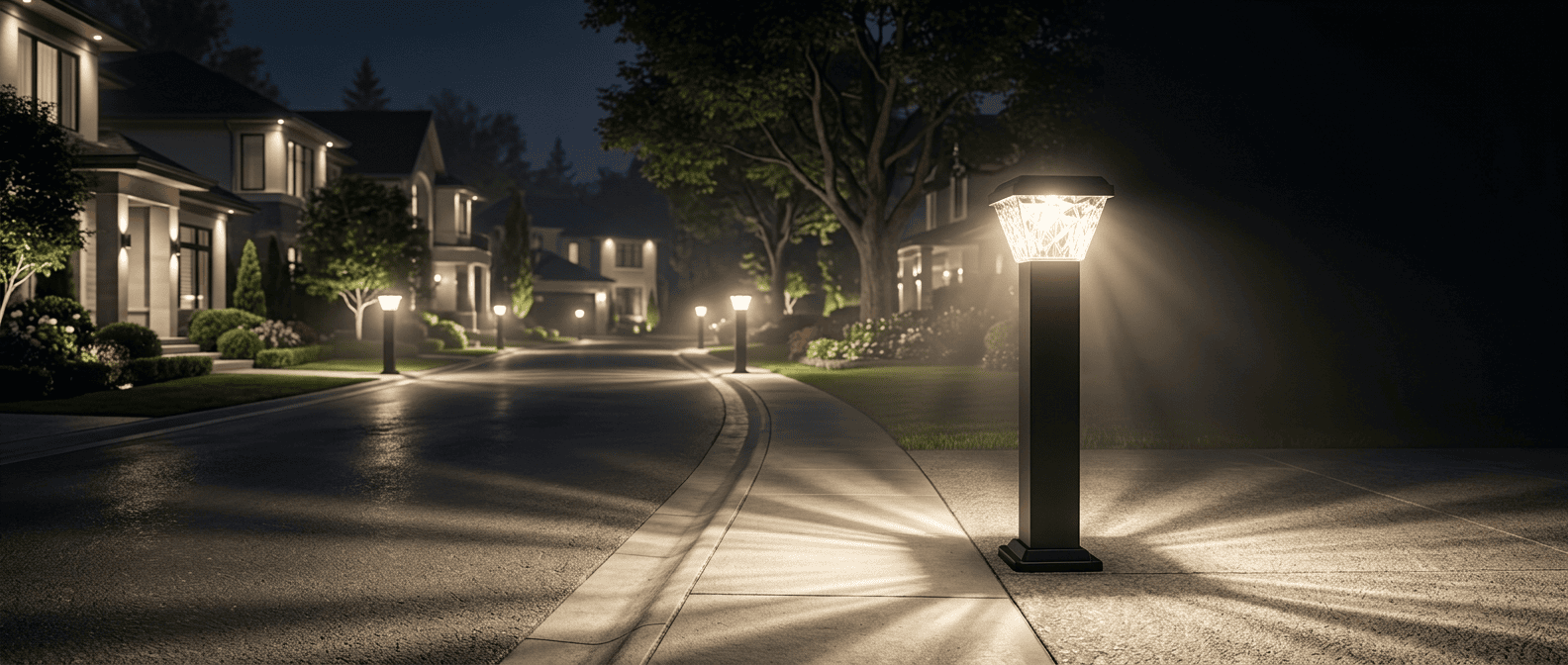
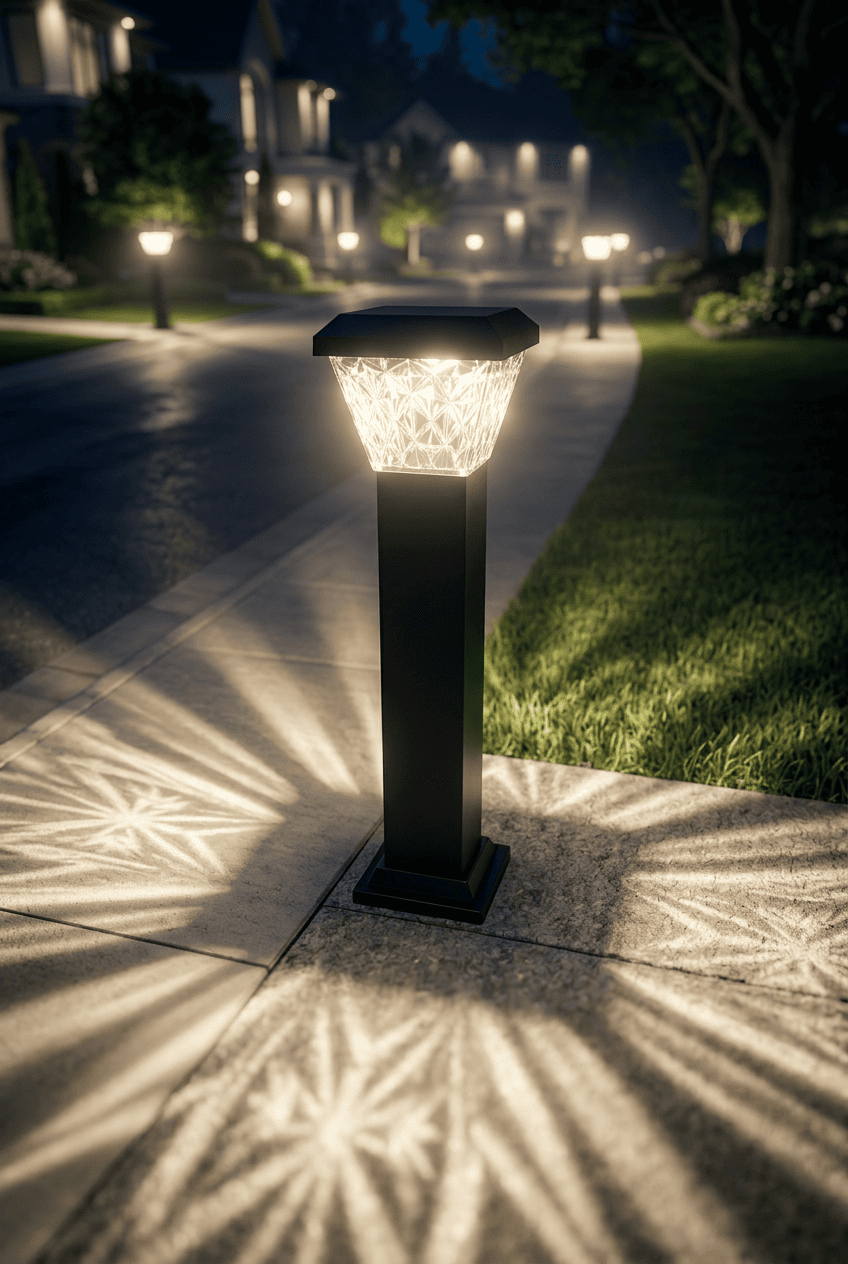
Solar Pathway Lights for Indian homes
Shop dedicated solar pathway lights for Indian homes, gardens, pathways and outdoor spaces.
Shop Solar Lights
Street · Flood · Garden · CCTV · Emergency
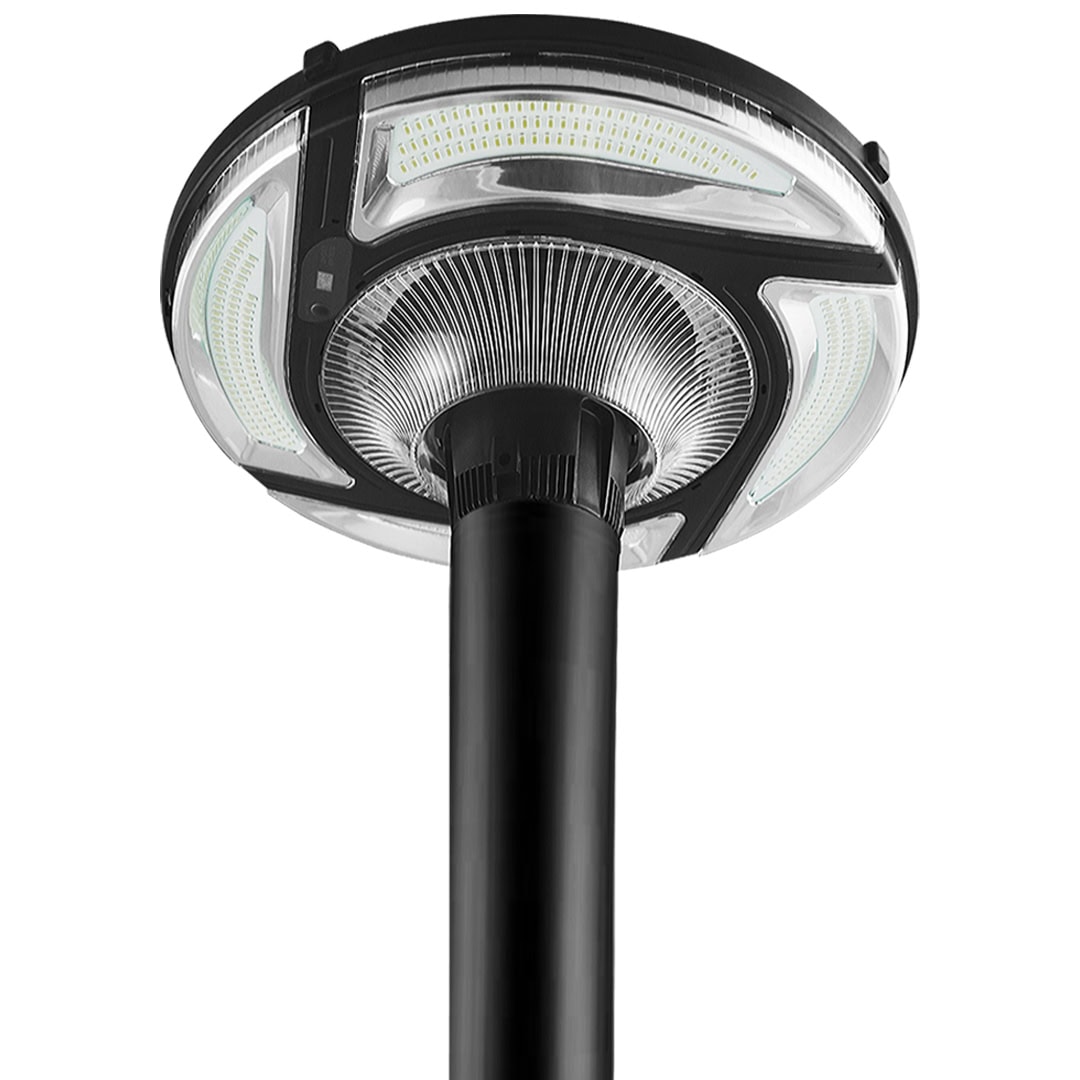
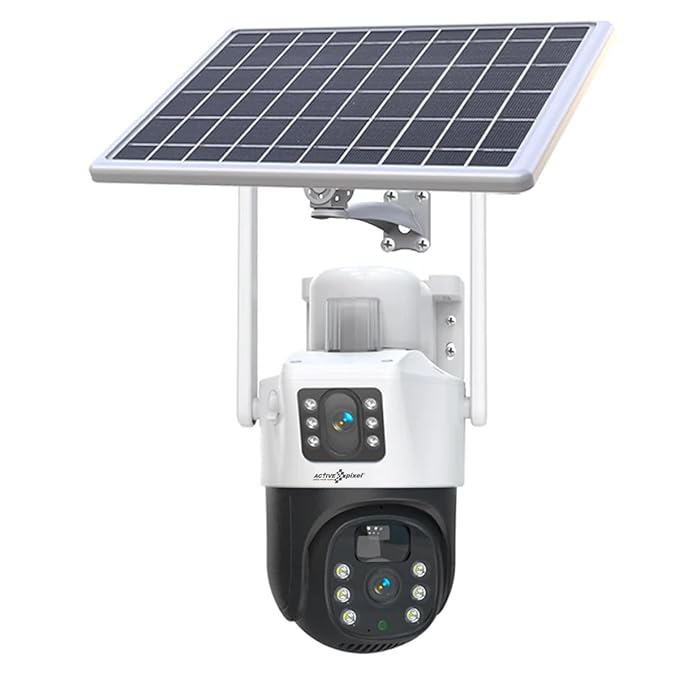
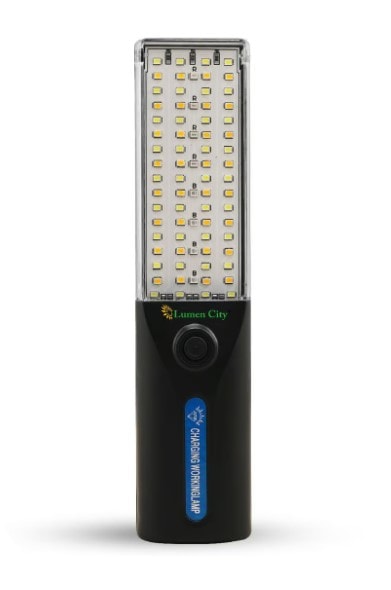
Choose the garden light
Pick a dedicated garden light style and see only matching products.
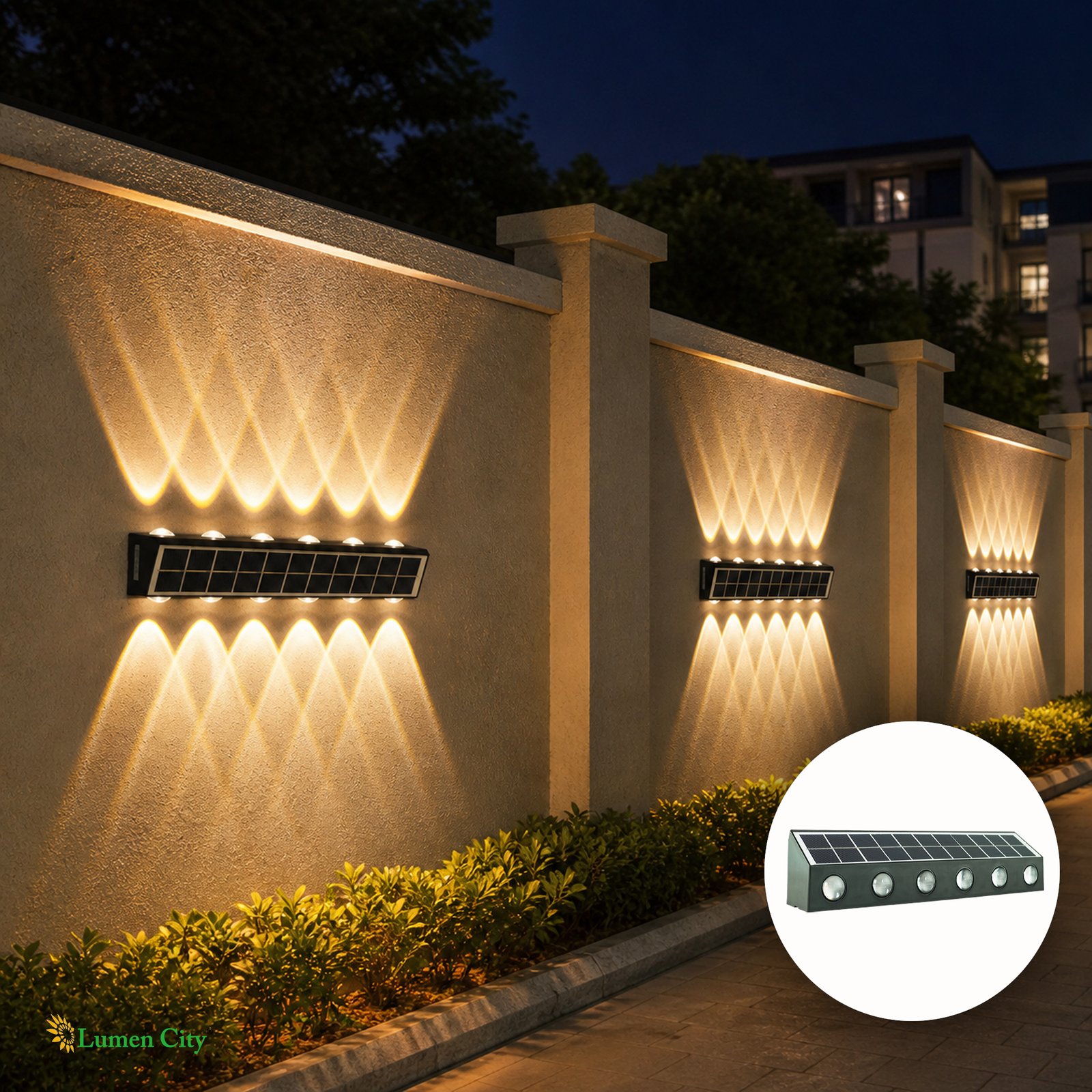
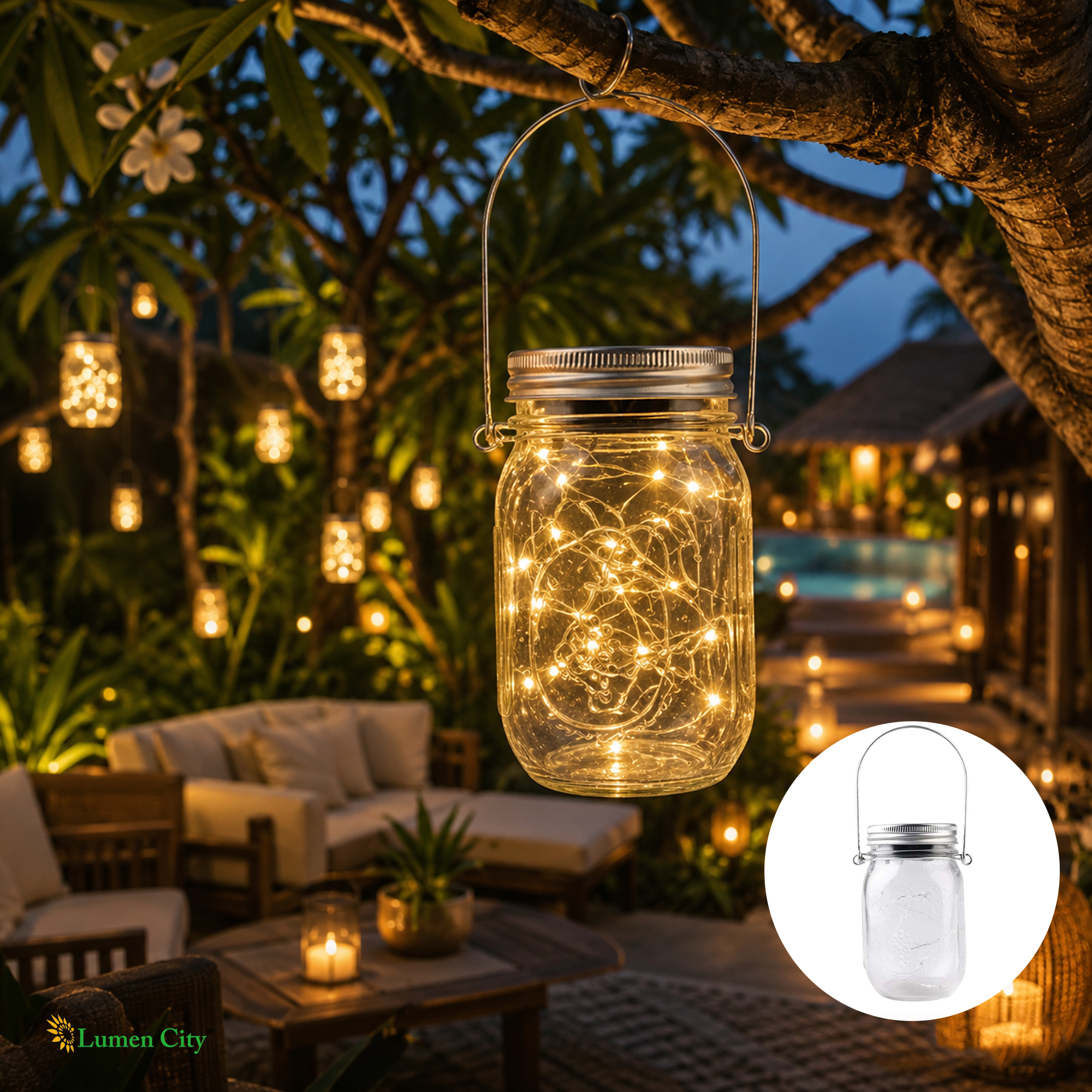
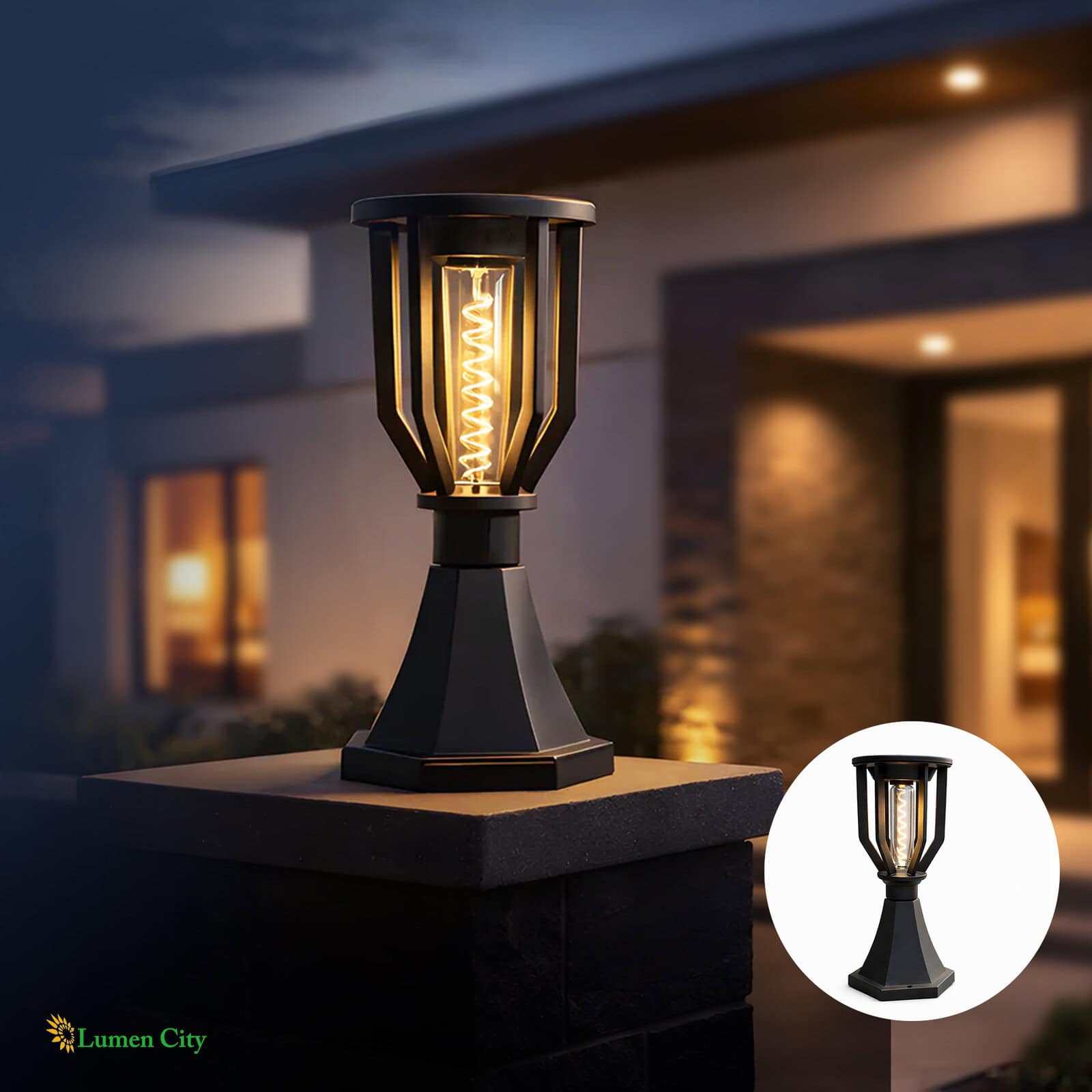
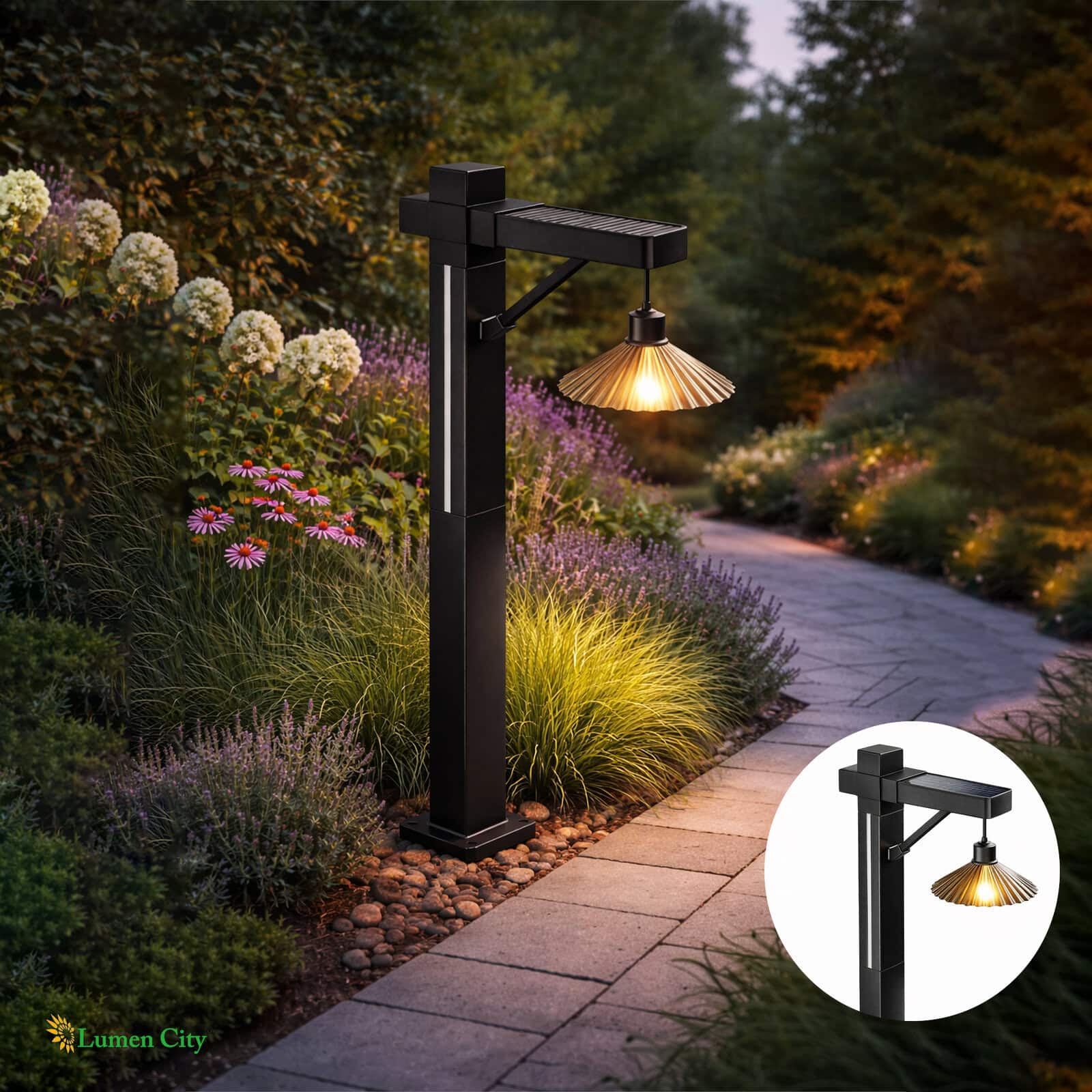
Solar Pathway Lights products
Only solar pathway lights are shown on this page.
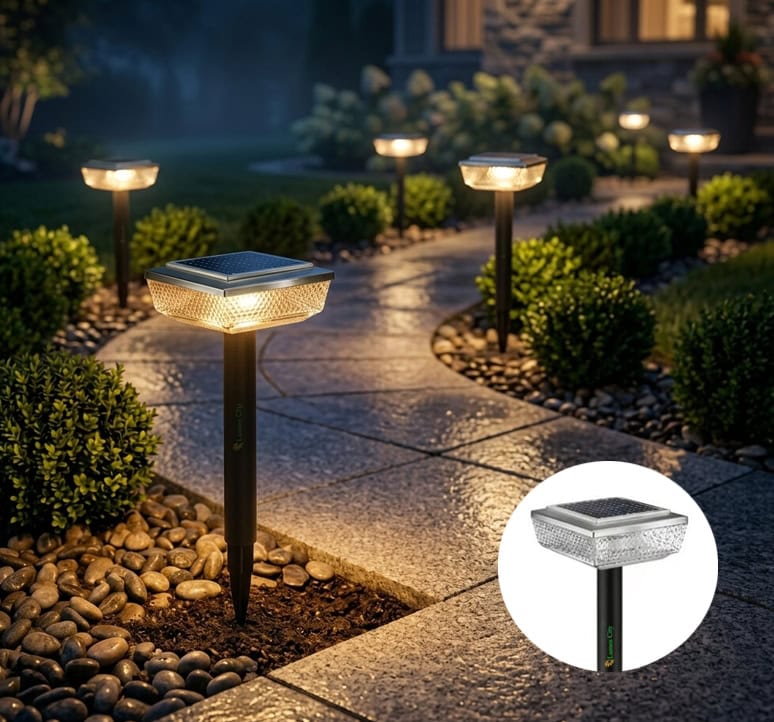
5W Solar Garden Light - 30 LED Warm White | IP65 | 8-12Hr Backup
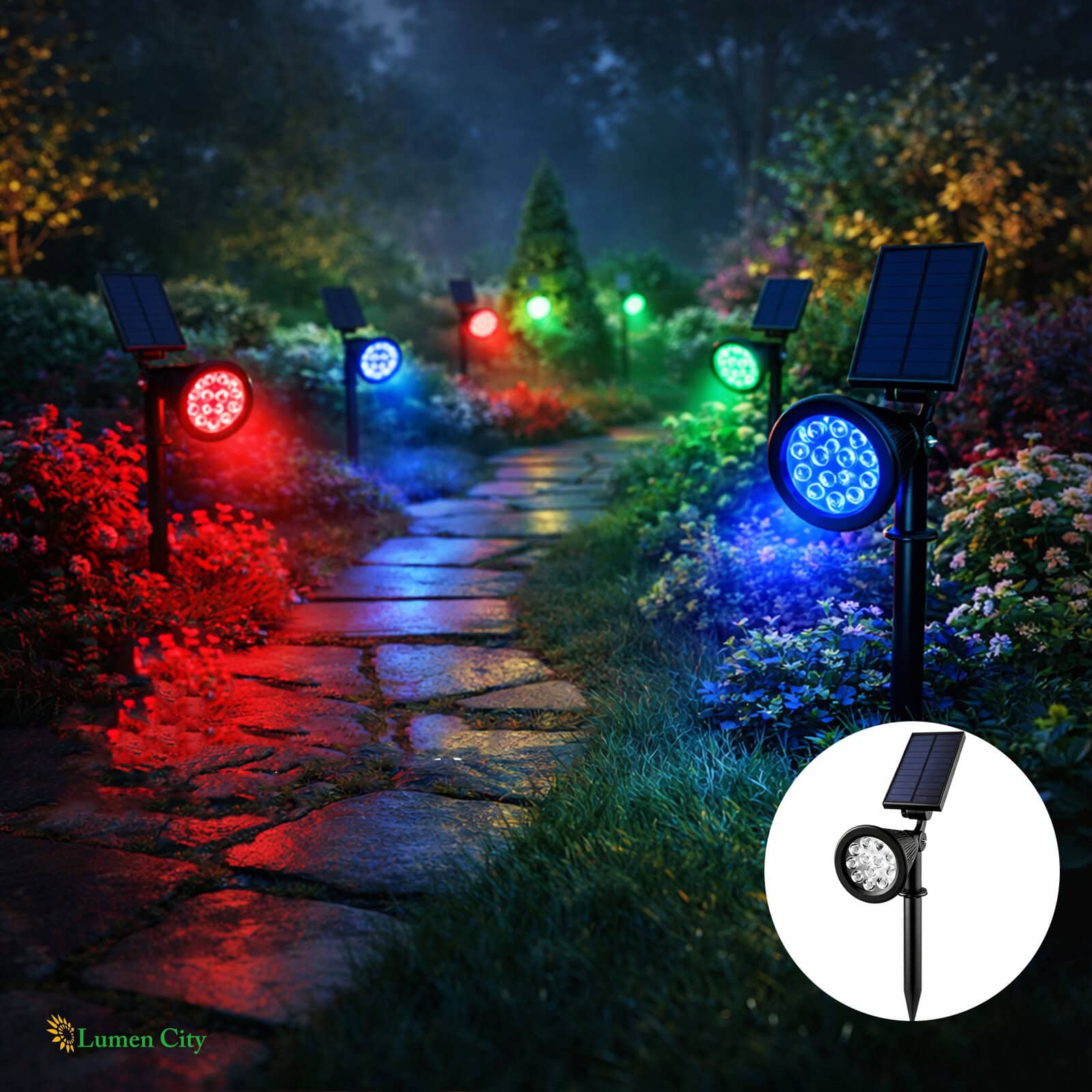
Solar Spike Garden Light - RGB | 18 LED | IP65 | Spike-Wall-Ground
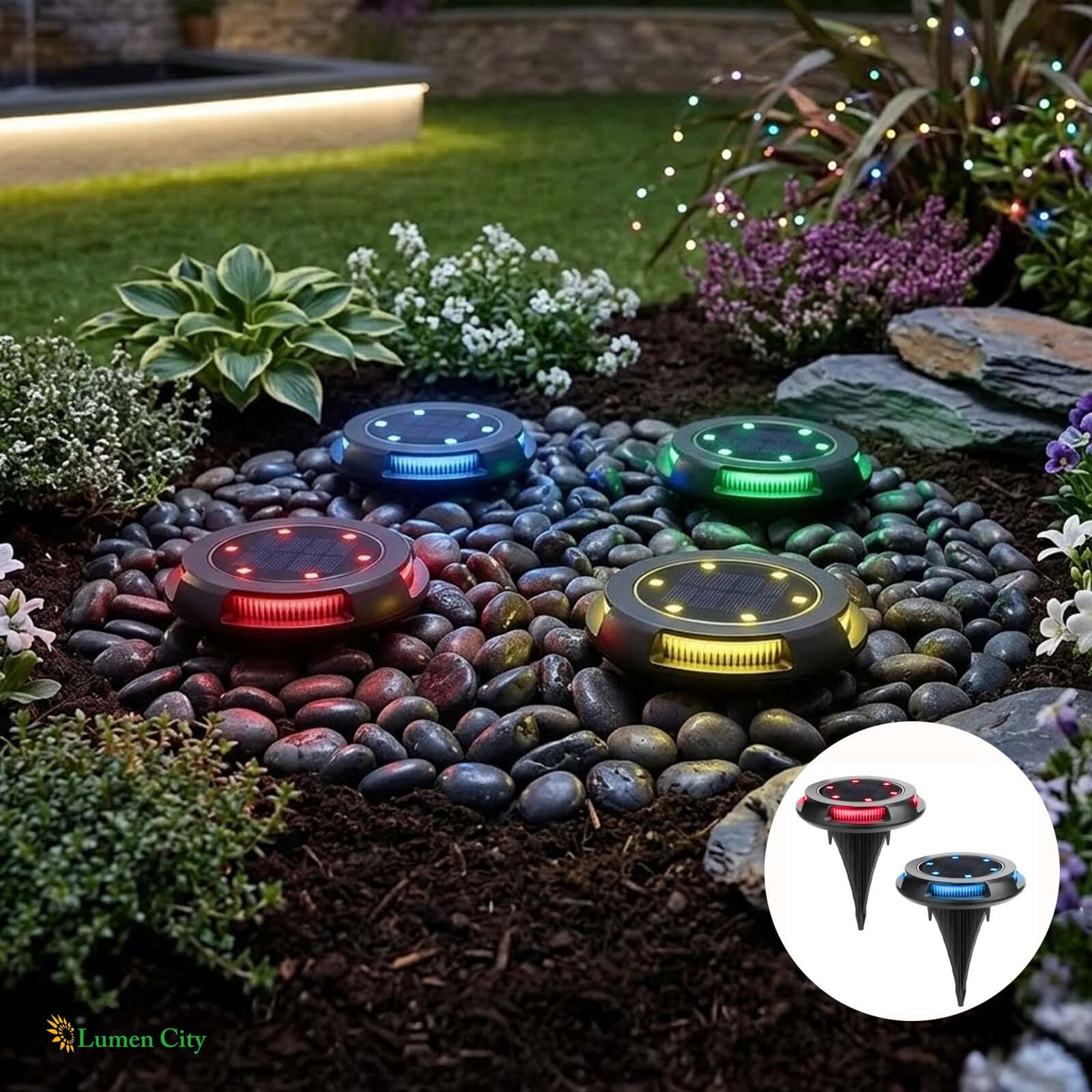
Solar Buried Disc Light - RGB | IP65 | Pack of 4
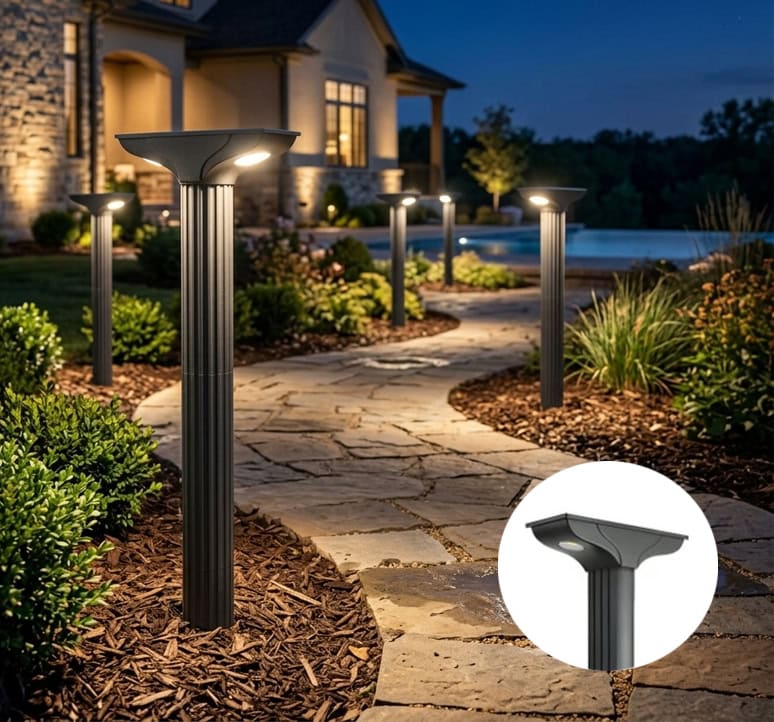
5W Solar Lawn Light - COB LED | Expandable 700mm | IP65
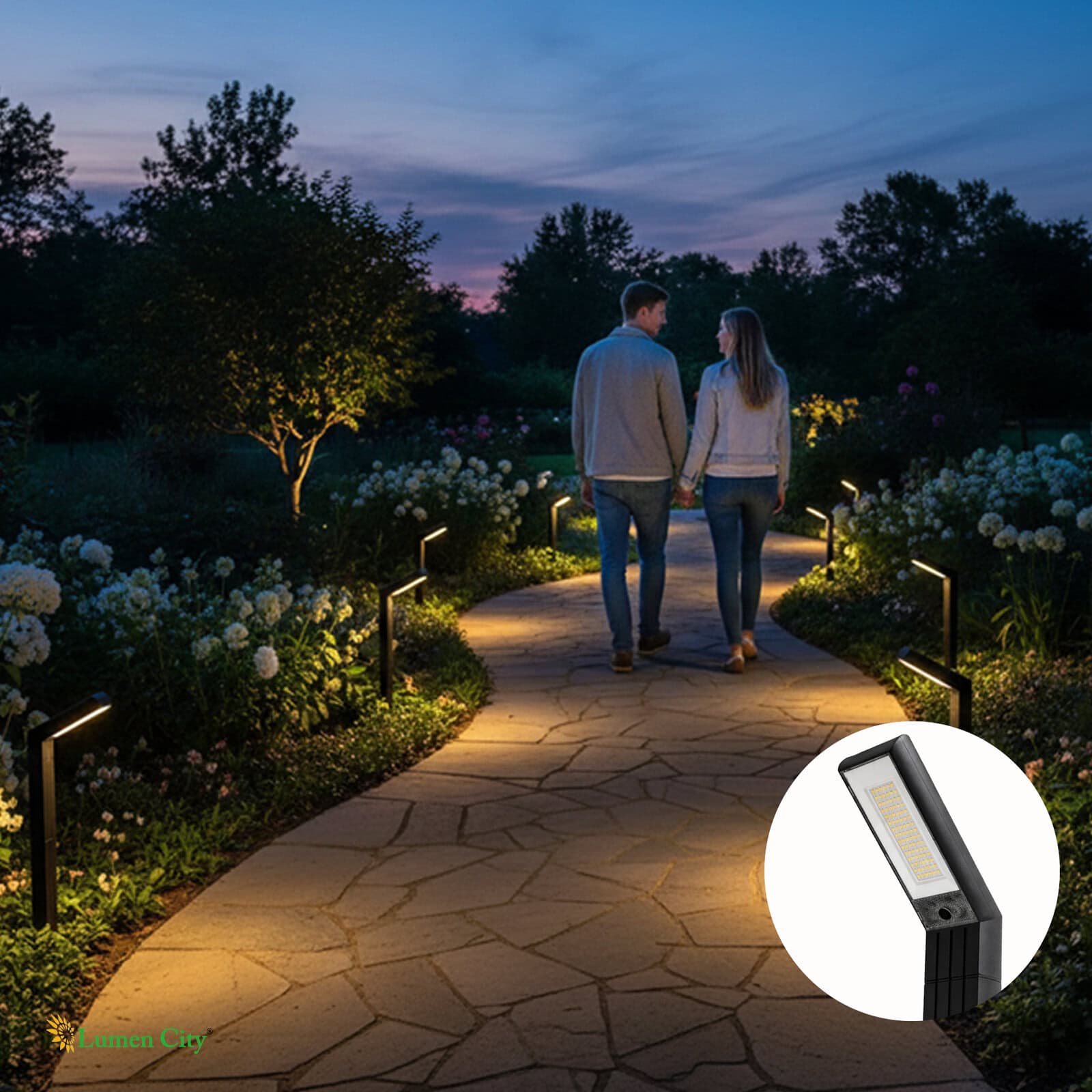
5W Solar Lawn Light - Expandable 700mm | Fixed-Spike | IP65
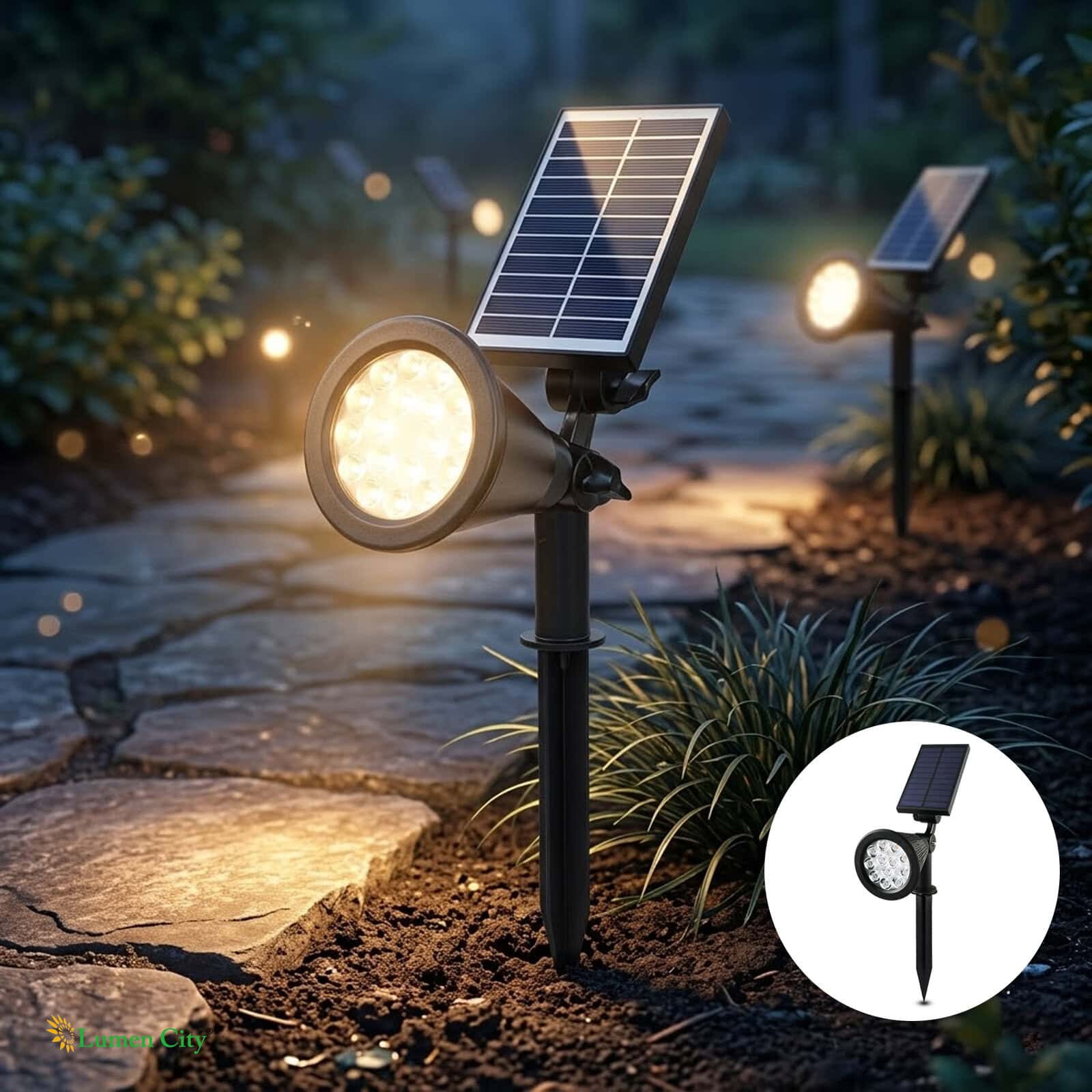
Solar Spike Garden Light - Warm White | IP65 | Pack of 2
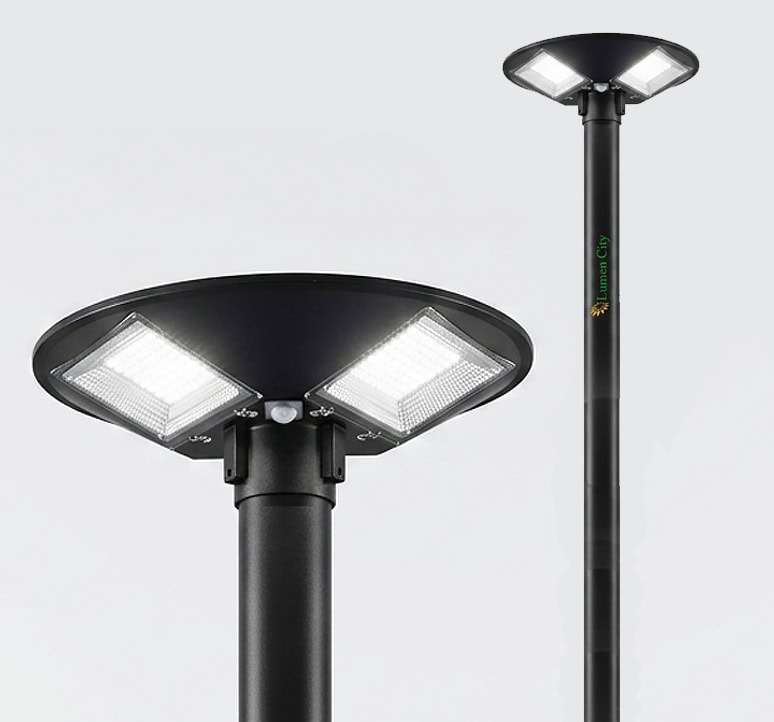
Orbit 360 Degree 15 Watt Solar Street Light
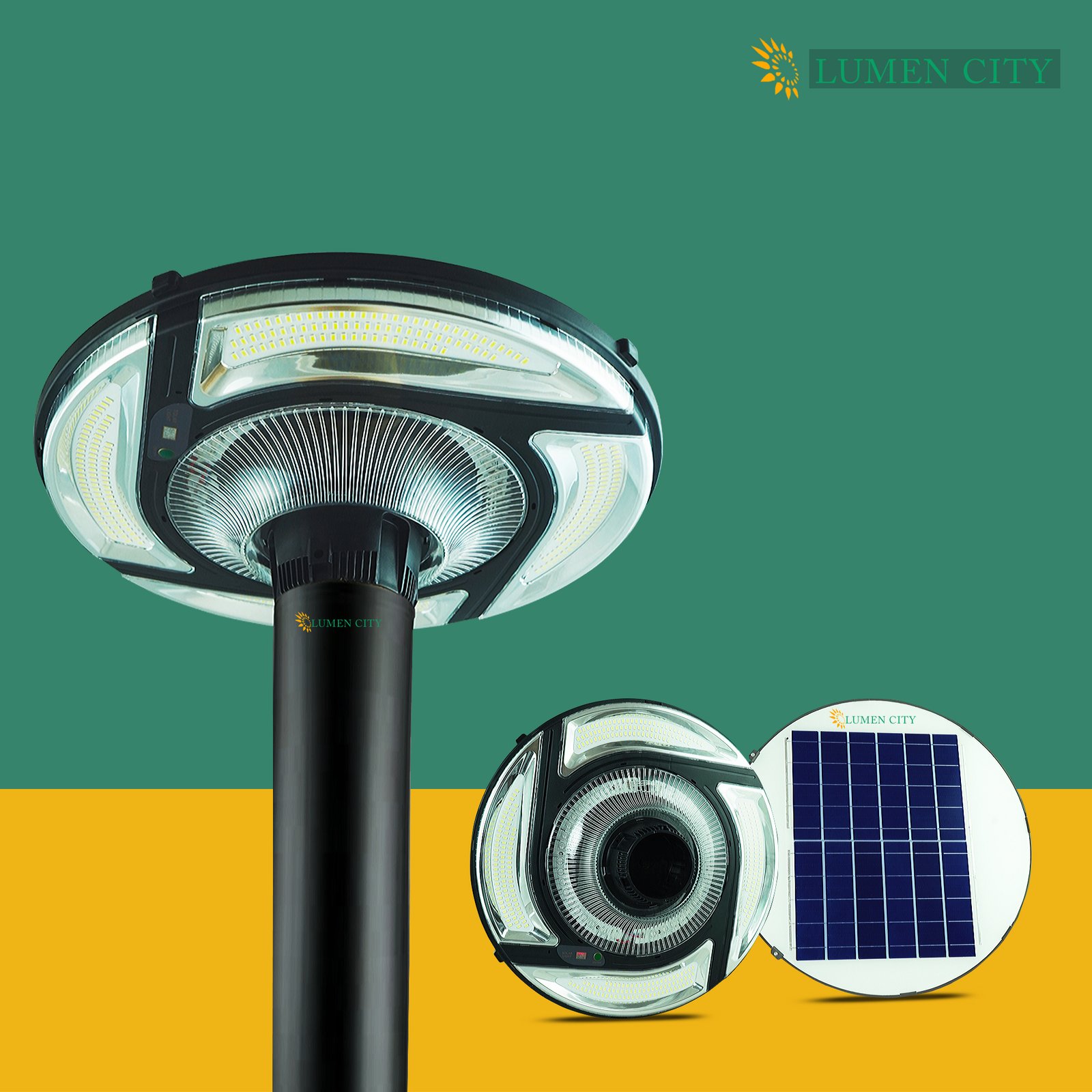
Orbit 360 RGB 15 Watt Solar Street Light
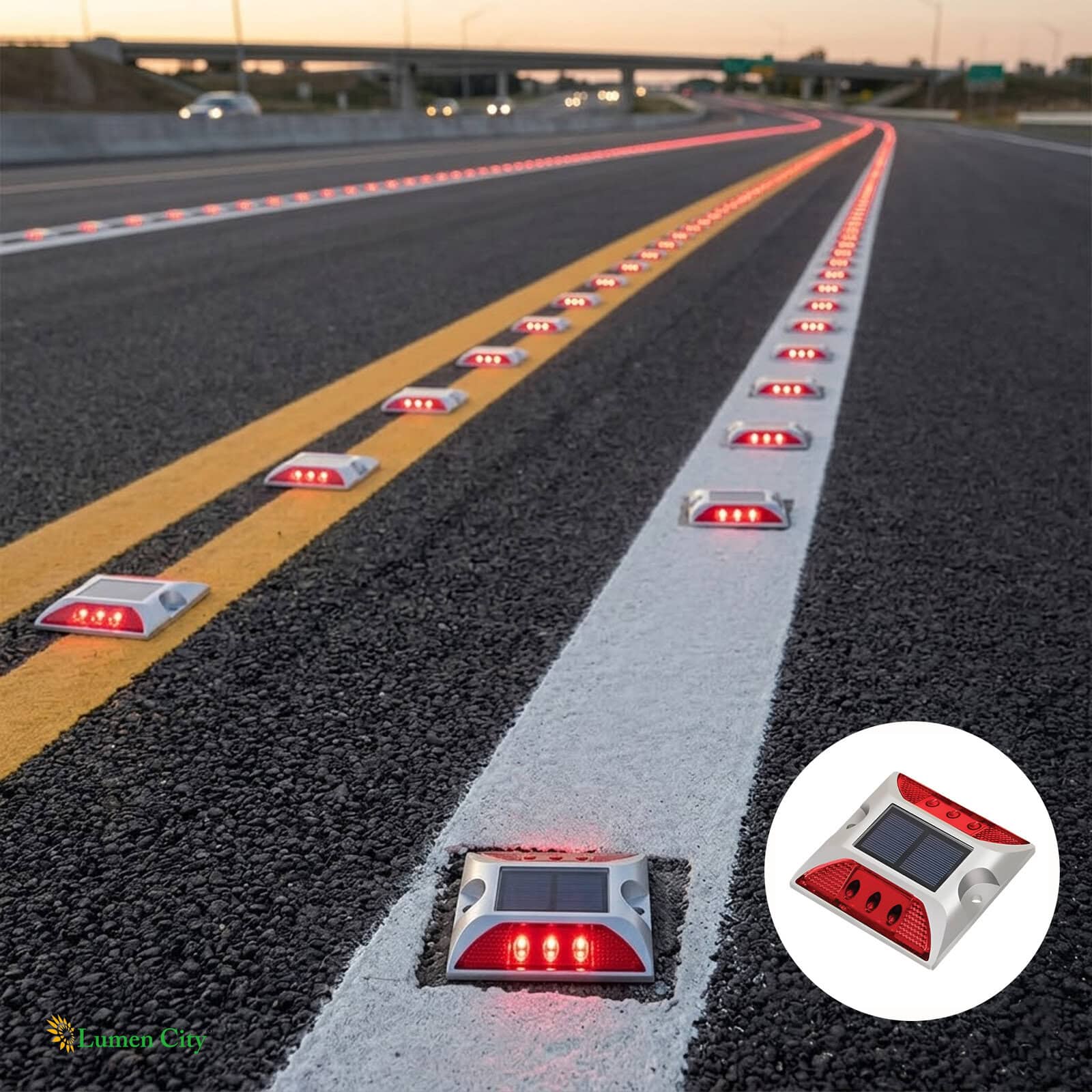
Solar Road Stud Light - Red LED Cat Eye | IP65 Waterproof | Auto On/Off
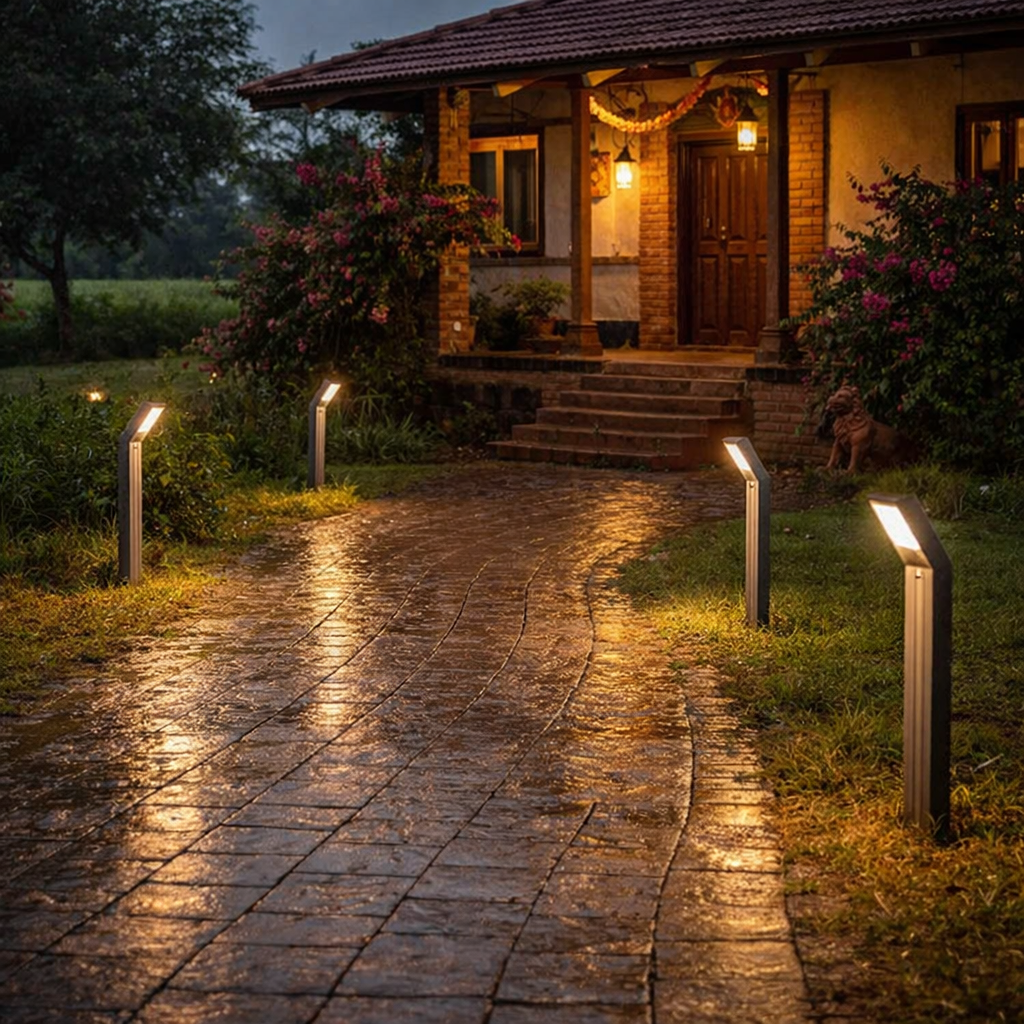
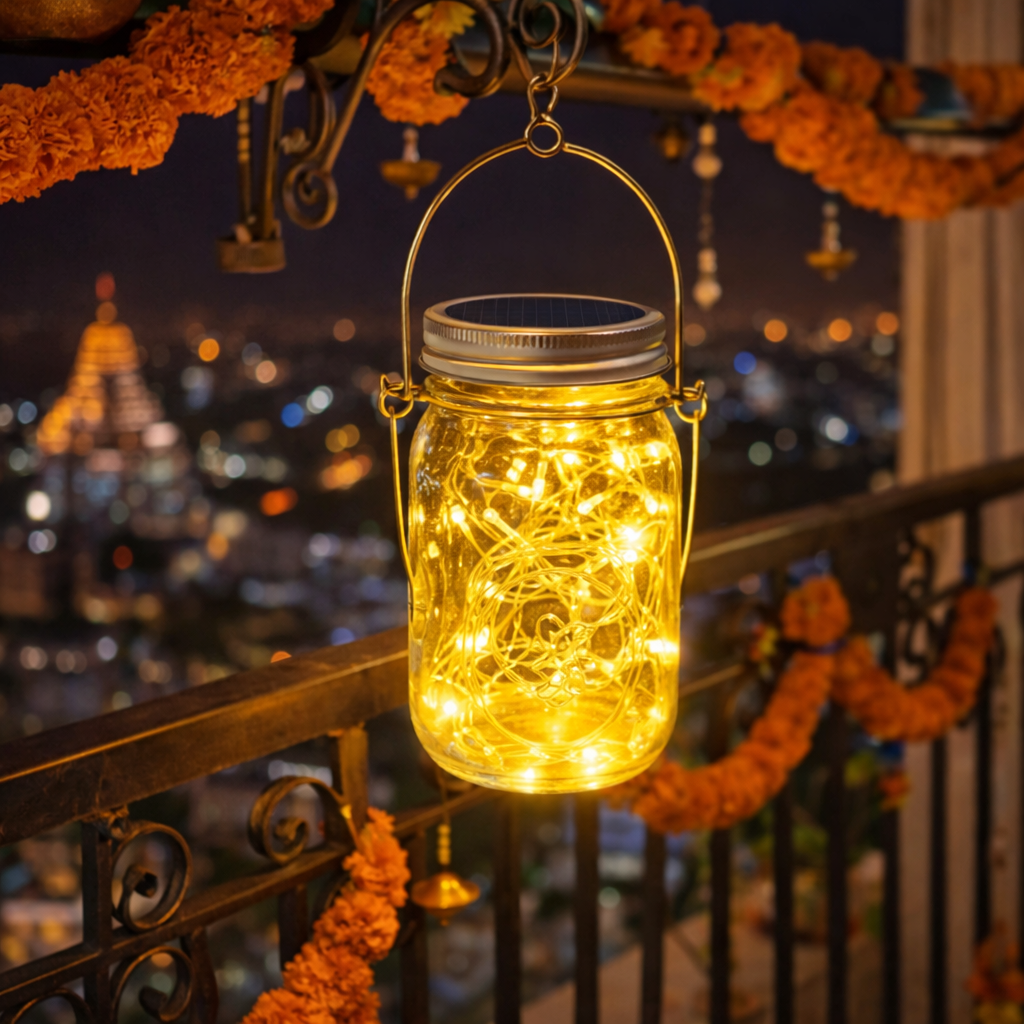
Find by where you are installing it
Tap a space and see the solar lights suited to it.
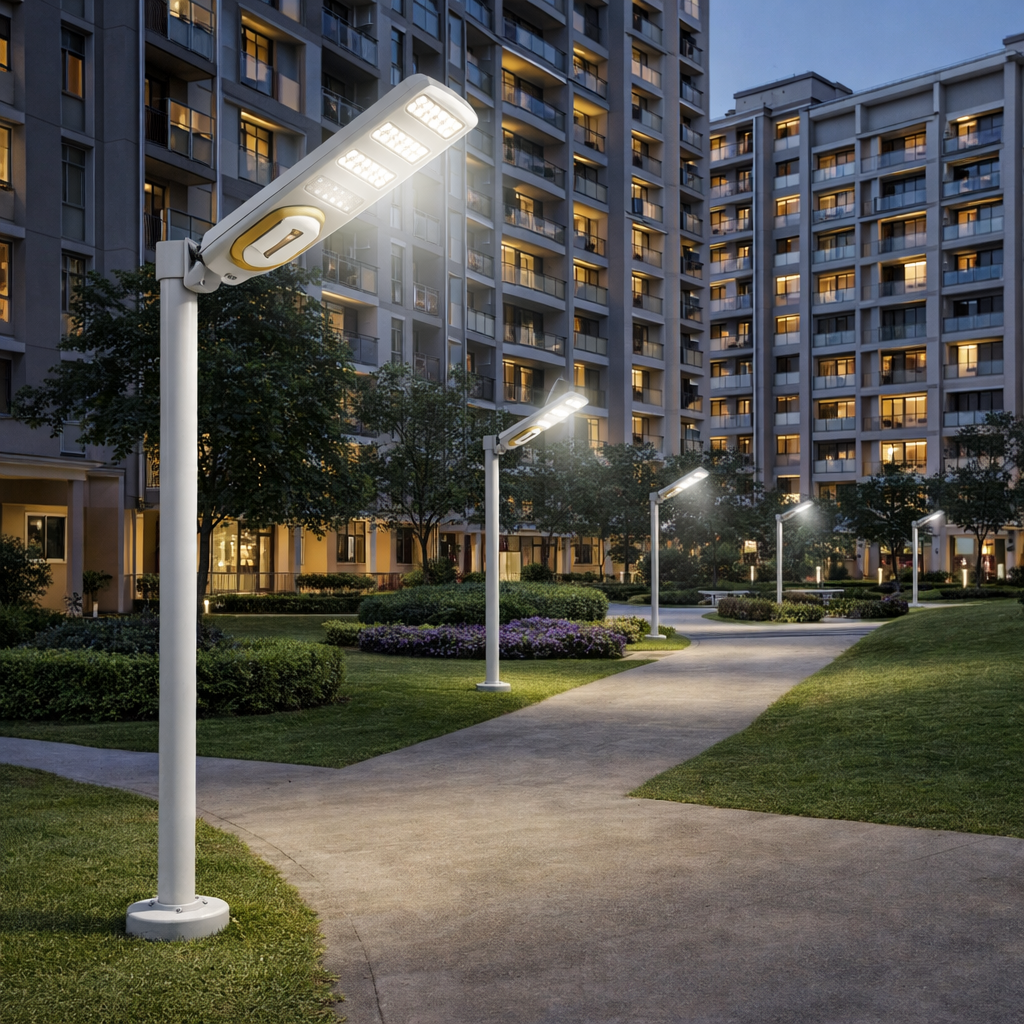
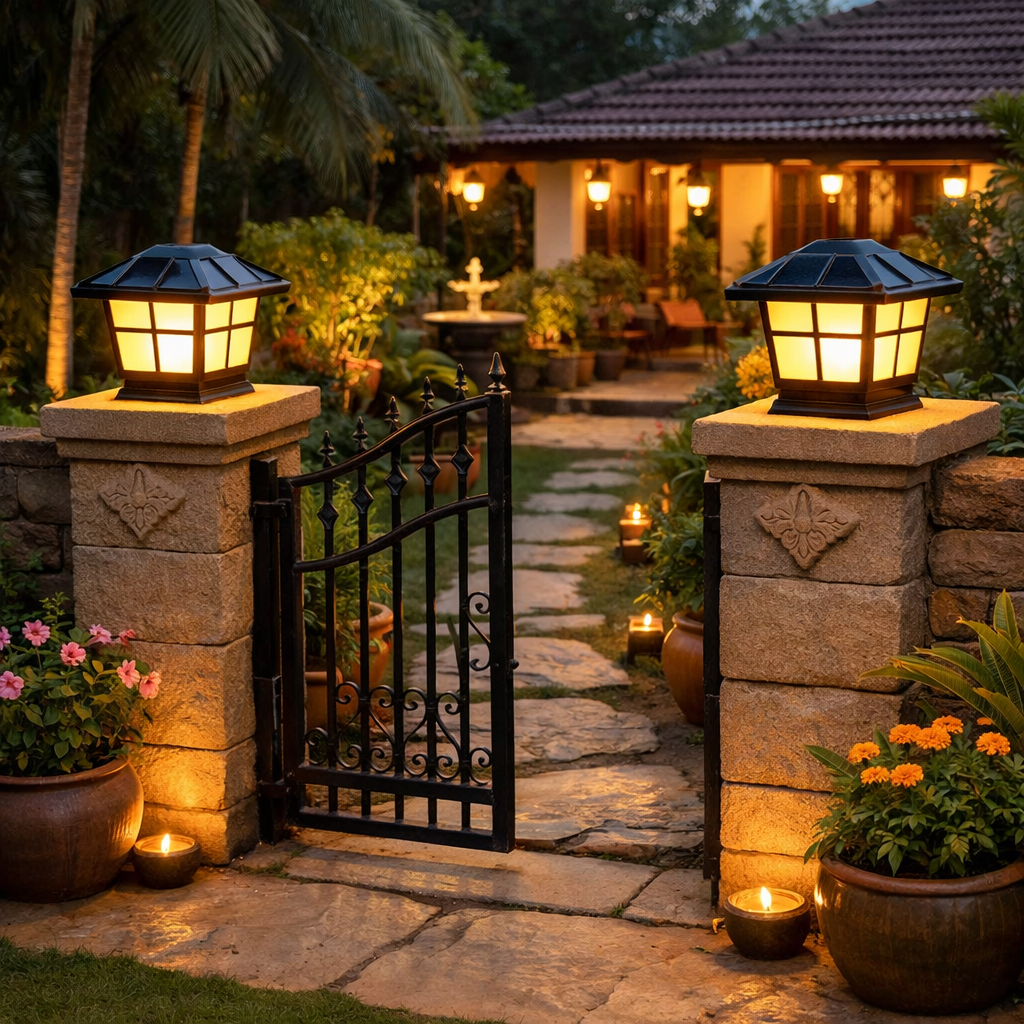
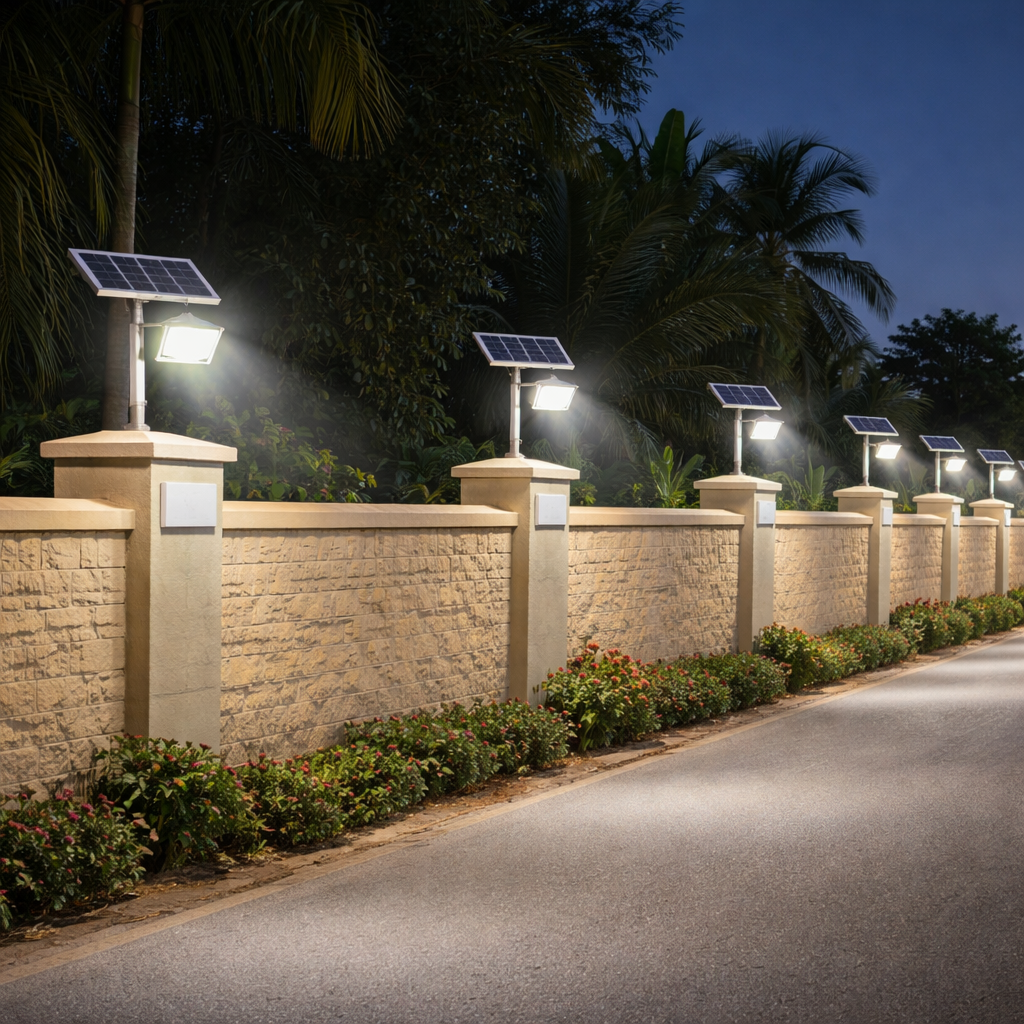
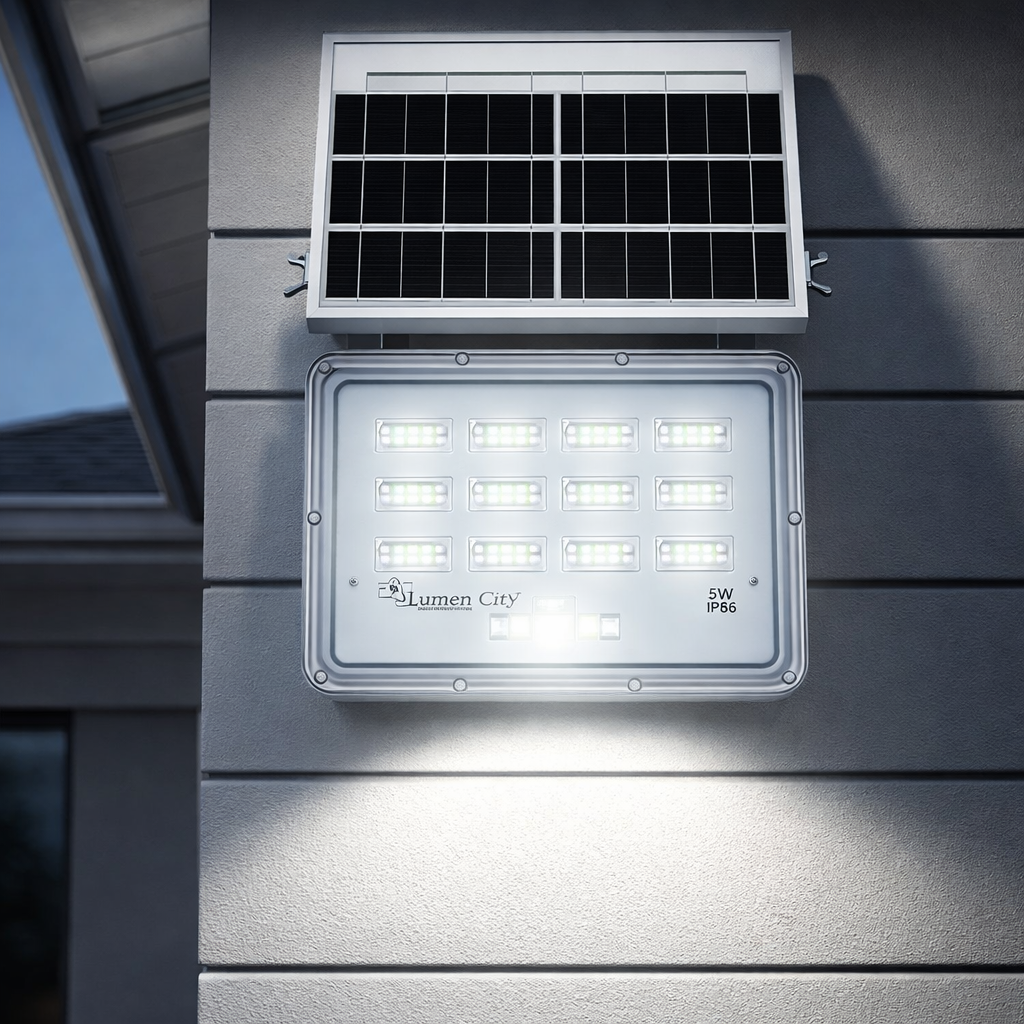
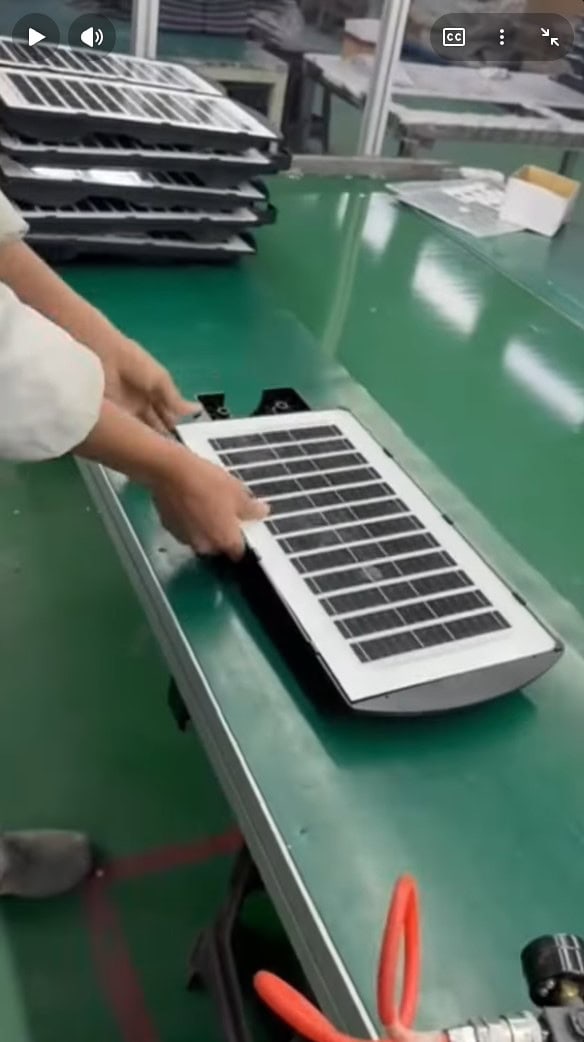
See how every light is made & tested
Before it reaches you, every Lumencity light goes through real wattage and weather-readiness checks.
- BIS-approved manufacturing process
- Lab-tested wattage, not just catalogue claims
- LiFePO4 battery assembly and quality check
- IP66/IP67 waterproofing verification
- Installed at Delhi Vidhan Sabha and government projects
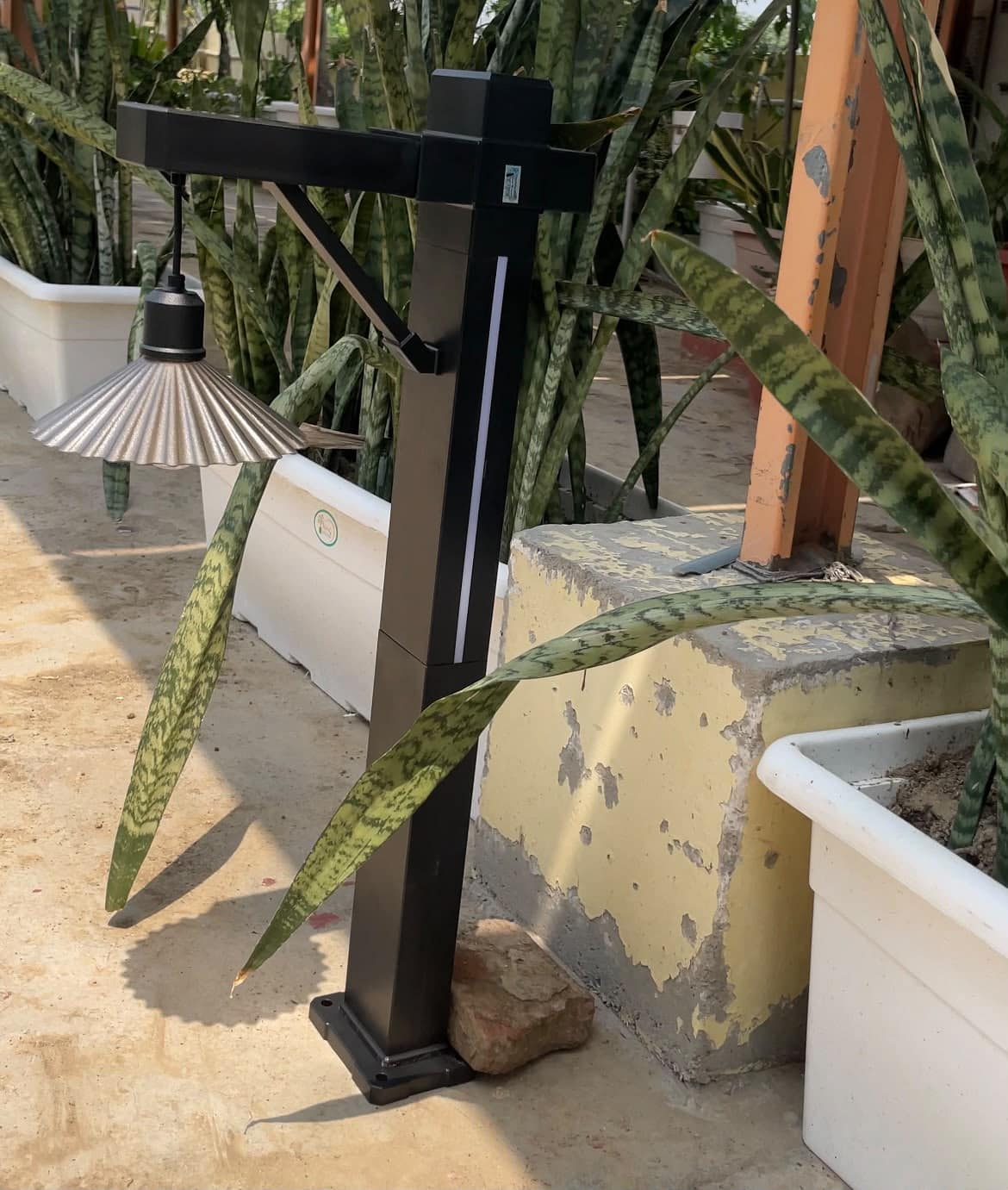
Garden lighting combinations customers buy
"The product is reliable and gives lighting for around 9-12 hours. Overall, a nice product."
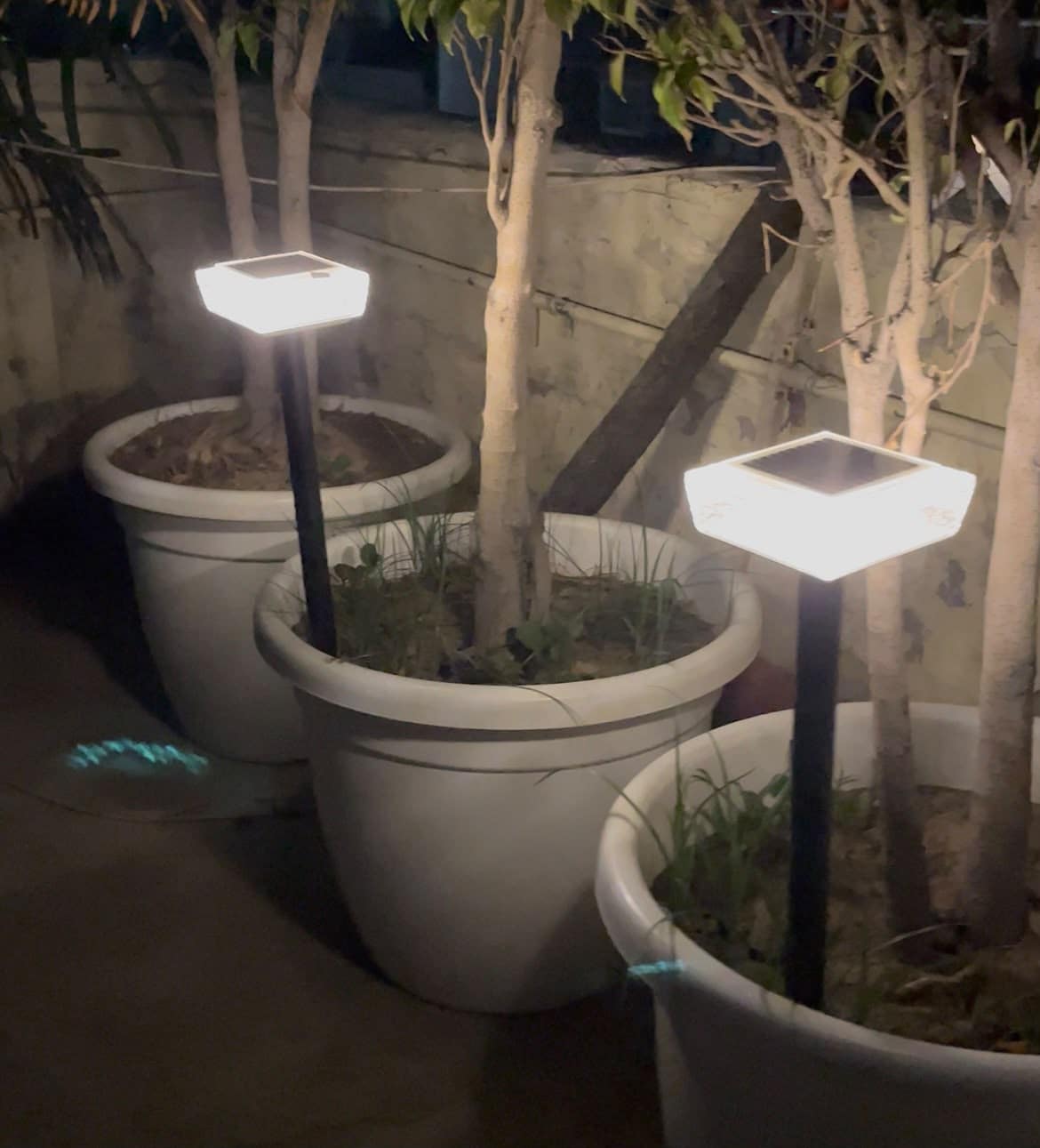
"I was not sure about the backup with such a small solar panel, but they are doing a good job. Now my garden is completely solar."

"The product is of good quality. Delivery was five days late, but I am happy with the product and it provides great backup."
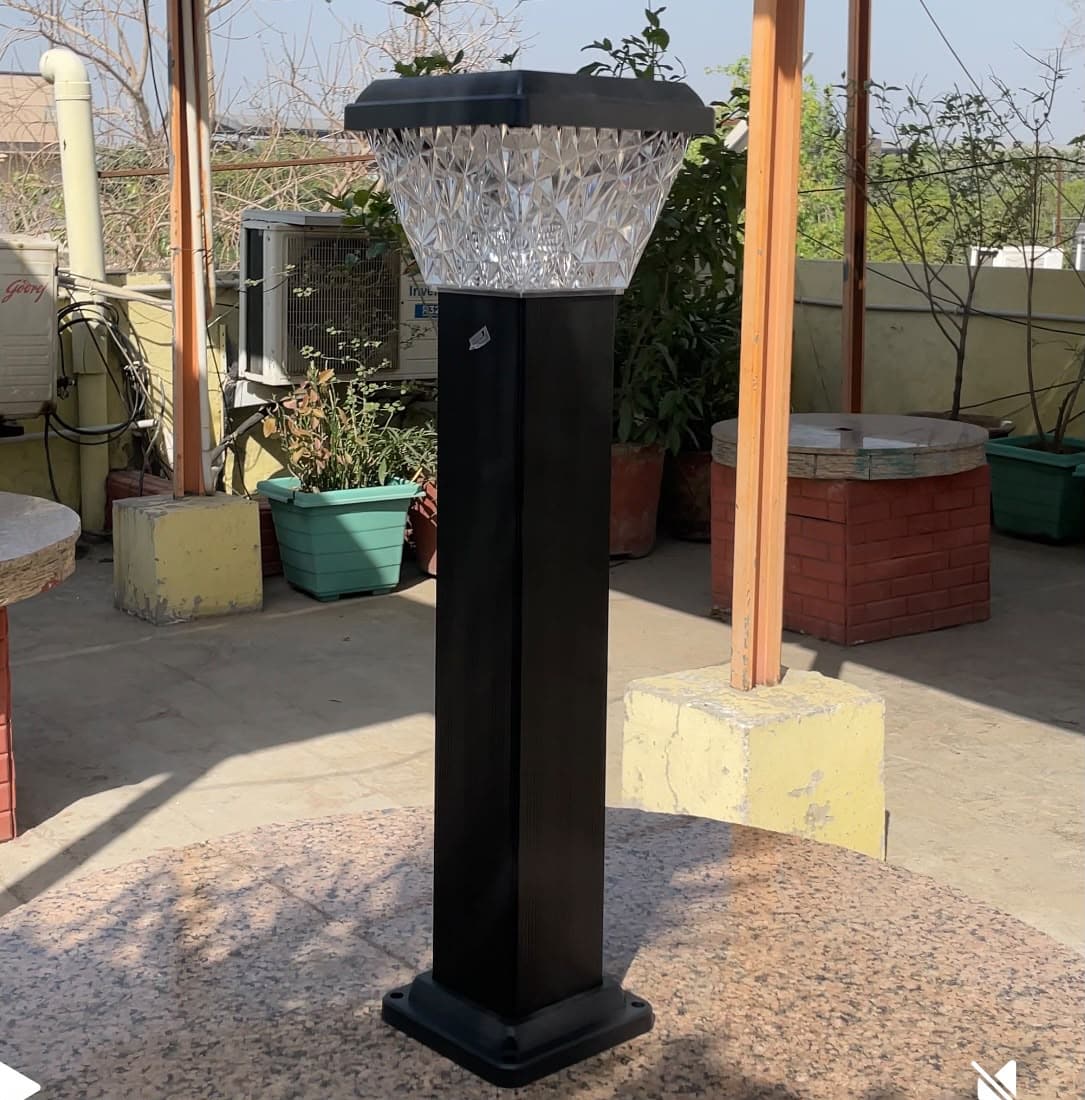
"I tried many garden lights, but wiring and changing their location were major issues. Solar lights solved both."
Lumencity in the news





Solar Pathway Lights Buyer's Guide: Lighting Walkways, Driveways and Garden Paths
Use this quick guide before selecting your light model.
Overview
Solar pathway lights line the edges of walkways, driveways, and garden paths so you can see where you are stepping after dark. Each light charges its own battery from sunlight during the day and switches on automatically at dusk - no trenching, no cabling under the lawn, and no running cost. That combination is why pathway lighting is the single most common starting point for solar lighting in Indian homes, farmhouses, and housing societies.
Types of solar pathway lights
Stake lights: The classic design - a light on a spike that pushes into soil or lawn beside the path. Quick to install, easy to reposition, and ideal for garden paths and flower-bed borders.
Stand and pedestal lights: Short free-standing fixtures for paved paths and driveways where there is no soil to stake into. They sit on a flat base or can be bolted to the paving.
Panel-top pathway lights: Fixtures with the solar panel on the head, which need open sky above the path.
Step and deck lights: Compact flat fixtures for staircase edges and deck borders where a raised fixture would obstruct movement.
What to check before buying
Brightness: For safe walking, aim for roughly 100 to 200 lumens per fixture on a residential path. Softer accent lights (10 to 50 lumens) look pretty but only mark the path edge - decide whether you want to see the path or just outline it.
Spacing: Plan one light every 6 to 8 feet along the path for continuous coverage. Buying fixtures in packs and mapping the path length first avoids the common mistake of ordering too few and ending with dark gaps.
Beam spread: Wide-angle heads (120 degree or more) suit broad walkways and driveways; focused beams suit narrow garden trails and accent lighting on plants.
Waterproofing and build: Pathway lights sit at ground level, taking splashes, sprinkler water, and monsoon runoff - IP65 protection is the sensible minimum. Metal and UV-stable housings outlast bare plastic by seasons.
Battery backup: Look for 8 to 12 hours so paths stay lit until dawn. In winter, shorter days mean slightly shorter backup, which is another reason to prefer higher-capacity batteries.
Placement tips for the best result
Alternate lights on the left and right edges of the path (zig-zag) rather than pairing them opposite each other - it covers the same length with fewer fixtures and looks more natural. Keep panels clear of overhanging plants; a fixture under a hedge will never charge. On driveways, set lights slightly back from the edge so vehicle tyres never clip them. And on staircases outdoors, prefer step lights over stake lights - they light the tread itself, which is what prevents missteps.
Solar pathway lights line the edges of walkways, driveways, and garden paths so you can see where you are stepping after dark. Each light charges its own battery from sunlight during the day and switches on automatically at dusk - no trenching, no cabling under the lawn, and no running cost. That combination is why pathway lighting is the single most common starting point for solar lighting in Indian homes, farmhouses, and housing societies.
Stake lights: The classic design - a light on a spike that pushes into soil or lawn beside the path. Quick to install, easy to reposition, and ideal for garden paths and flower-bed borders.
Stand and pedestal lights: Short free-standing fixtures for paved paths and driveways where there is no soil to stake into. They sit on a flat base or can be bolted to the paving.
Panel-top pathway lights: Fixtures with the solar panel on the head, which need open sky above the path.
Step and deck lights: Compact flat fixtures for staircase edges and deck borders where a raised fixture would obstruct movement.
Brightness: For safe walking, aim for roughly 100 to 200 lumens per fixture on a residential path. Softer accent lights (10 to 50 lumens) look pretty but only mark the path edge - decide whether you want to see the path or just outline it.
Spacing: Plan one light every 6 to 8 feet along the path for continuous coverage. Buying fixtures in packs and mapping the path length first avoids the common mistake of ordering too few and ending with dark gaps.
Beam spread: Wide-angle heads (120 degree or more) suit broad walkways and driveways; focused beams suit narrow garden trails and accent lighting on plants.
Waterproofing and build: Pathway lights sit at ground level, taking splashes, sprinkler water, and monsoon runoff - IP65 protection is the sensible minimum. Metal and UV-stable housings outlast bare plastic by seasons.
Battery backup: Look for 8 to 12 hours so paths stay lit until dawn. In winter, shorter days mean slightly shorter backup, which is another reason to prefer higher-capacity batteries.
Alternate lights on the left and right edges of the path (zig-zag) rather than pairing them opposite each other - it covers the same length with fewer fixtures and looks more natural. Keep panels clear of overhanging plants; a fixture under a hedge will never charge. On driveways, set lights slightly back from the edge so vehicle tyres never clip them. And on staircases outdoors, prefer step lights over stake lights - they light the tread itself, which is what prevents missteps.
Solar Pathway Lights questions
Answers from the Lumencity buyer guide for this category.
Read the latest news in the solar industry
Explore buying tips, product updates and solar lighting ideas from Lumencity.